
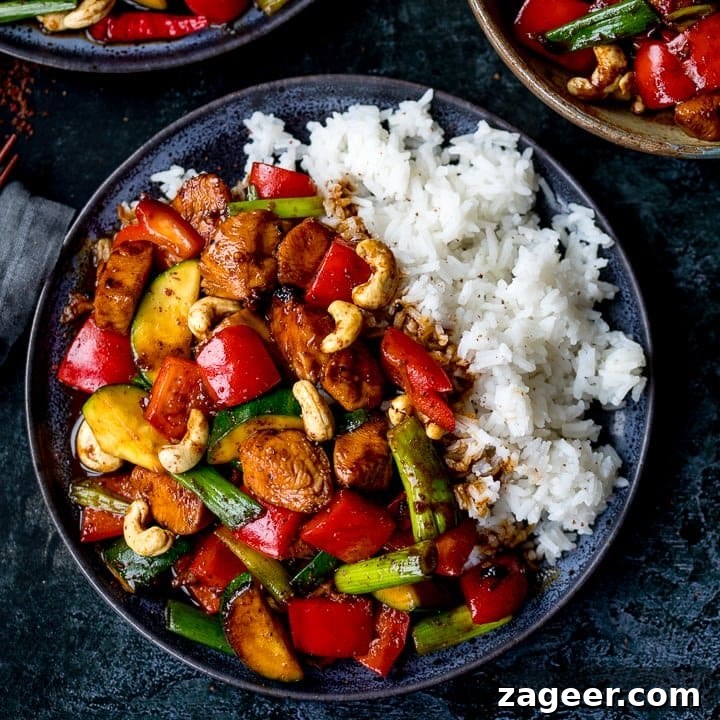
Embark on a culinary adventure from your own kitchen with our Copycat Panda Express Kung Pao Chicken! This recipe delivers a deliciously spicy, incredibly flavorful stir-fry, loaded with succulent chicken and vibrant, chunky vegetables, all coated in a rich, homemade sauce that rivals your favorite takeout. Get ready to impress your taste buds and simplify your dinner routine with this easy-to-follow guide.
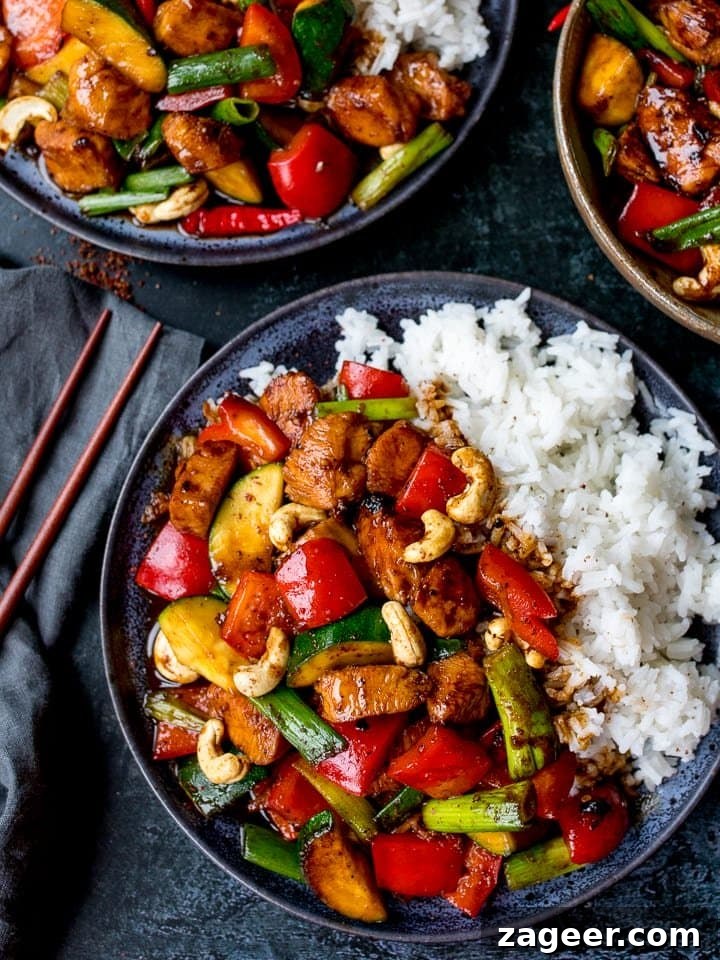
Table of Contents
- The Irresistible Allure of Kung Pao Chicken
- Crafting Your Own Kung Pao Chicken: A Step-by-Step Guide
- Navigating the Heat: Eating Whole Chillies in Kung Pao Chicken 🌶️
- Serving Suggestions for Your Kung Pao Masterpiece
- Making Kung Pao Chicken Gluten-Free
- Meal Prep and Making Ahead: Your Kung Pao Questions Answered
- Vegetarian and Other Protein Alternatives for Kung Pao Chicken
- Other Beloved Chinese Takeaway Favorites
- Watch the Recipe Video
- Full Kung Pao Chicken Recipe Card
While the renowned Panda Express chain may not have fully expanded its presence worldwide, its iconic dishes, particularly the Kung Pao Chicken, have certainly captured hearts globally. Having had the pleasure of sampling their fare during visits to the US, I fell in love with the vibrant flavors and perfect balance of spice and sweetness that defines their Kung Pao Chicken. This recipe is my dedicated effort to recreate that magic in a home kitchen, allowing you to enjoy a “fakeaway” experience that truly tastes better than takeout.
The Irresistible Allure of Kung Pao Chicken
Kung Pao Chicken is not just a dish; it’s a culinary icon. Originating from the Sichuan province of China, this classic stir-fry is celebrated for its unique flavor profile, characterized by the numbing and spicy “mala” sensation from Sichuan peppercorns, balanced with a savory, sweet, and tangy sauce. Our copycat version pays homage to the beloved Panda Express rendition, focusing on tender chicken pieces, crisp vegetables, and a glossy, rich sauce that clings to every ingredient.
What sets this recipe apart is its simple yet effective approach to flavor. We start with a deeply aromatic marinade, a portion of which tenderizes the chicken, while the rest forms the base of our luscious finishing sauce. This two-stage marinade strategy ensures maximum flavor penetration and a cohesive taste throughout the dish. The result is a truly satisfying meal that’s perfect for a quick weeknight dinner or for impressing guests with your stir-fry prowess.
Beyond its incredible taste, this Kung Pao Chicken is also fantastic for meal prepping. I often make a larger batch, quickly cool it, and store it in the refrigerator. It holds up beautifully and can be enjoyed cold the next day with a side of couscous, quinoa, bulgur wheat, or a fresh salad, offering a convenient and flavorful option for busy days. It typically lasts up to two days in the fridge, making it a versatile addition to your weekly menu.
Crafting Your Own Kung Pao Chicken: A Step-by-Step Guide

The secret to an outstanding Kung Pao Chicken lies in its well-balanced sauce and perfectly cooked components. Here’s a detailed look at how to achieve that perfect blend:
1. Preparing the Flavor-Packed Marinade and Chicken
First, combine the vibrant ingredients for our homemade sauce: rice wine, dark soy sauce, fragrant sesame oil, rich hoisin sauce, a pinch of white pepper, minced garlic, grated fresh ginger, a touch of sugar, and for an authentic kick, optional ground Sichuan peppercorns. This combination creates a symphony of sweet, savory, and spicy notes.
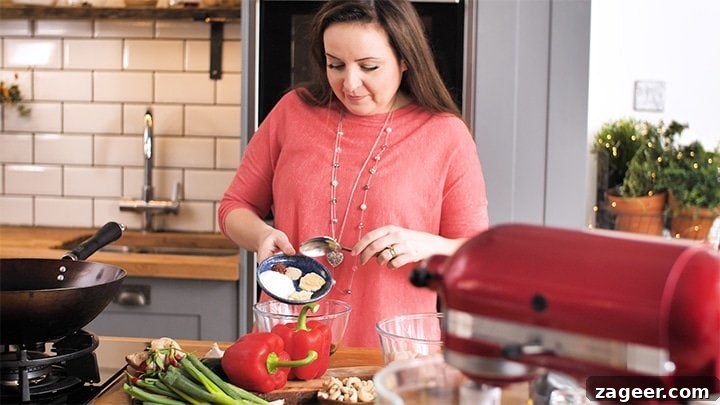
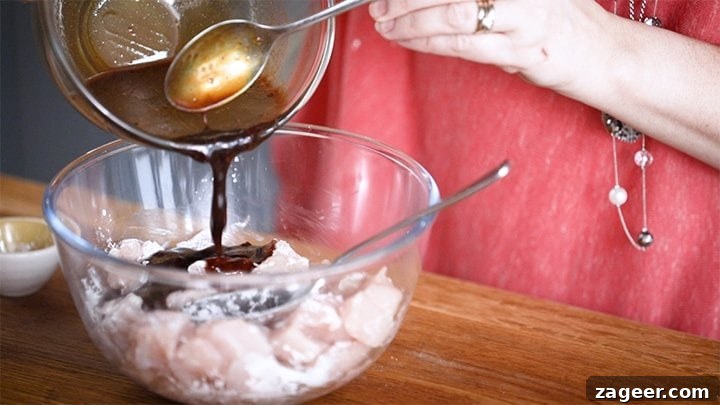
Next, take your bite-sized chicken pieces and toss them with a teaspoon of cornflour (or cornstarch). This crucial step helps to create a delicate coating that protects the chicken from drying out, ensuring it remains incredibly tender and juicy during the stir-frying process. It also helps the marinade cling better. Pour about one-third of your freshly made marinade over the cornflour-coated chicken. Stir well to ensure every piece is evenly coated, then cover and refrigerate for at least 30 minutes. This marinating time allows the chicken to absorb those wonderful flavors, setting the stage for a truly delectable dish. The longer it marinates (up to 12 hours), the deeper the flavor will be. Remember to reserve the remaining two-thirds of the marinade for the sauce.
2. Dry-Frying the Chillies for Aromatic Heat
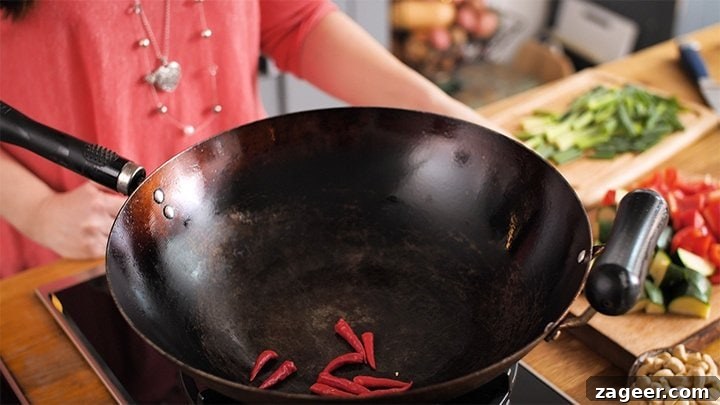
A key element of traditional Kung Pao Chicken is the distinctive heat from dry-fried chillies. Heat your wok or a large frying pan over a medium heat and add the whole dry chilli peppers. You can use authentic Sichuan peppers for their unique aromatic heat, Arbol chillies, or even Bird’s Eye/Thai chillies if you prefer a sharper, more intense spice. Dry-fry them for a couple of minutes, turning frequently, until they become slightly charred and fragrant. Be careful not to burn them, as they can turn bitter quickly. This process awakens their aromatic oils and infuses the dish with a beautiful depth of heat. Once lightly browned and aromatic, remove them from the wok and set aside.
3. Stir-Frying the Chicken and Vegetables
Add a tablespoon of vegetable oil to your hot wok and increase the heat to high. Once shimmering, add the marinated chicken, using a slotted spoon to leave any excess marinade behind (discard the leftover chicken marinade). Stir-fry for about 7-8 minutes, or until the chicken is thoroughly cooked through and lightly golden. The high heat is crucial here for achieving that coveted “wok hei” – the smoky, complex flavor characteristic of authentic stir-fries. Avoid overcrowding the wok, as this can steam the chicken instead of frying it; cook in batches if necessary.
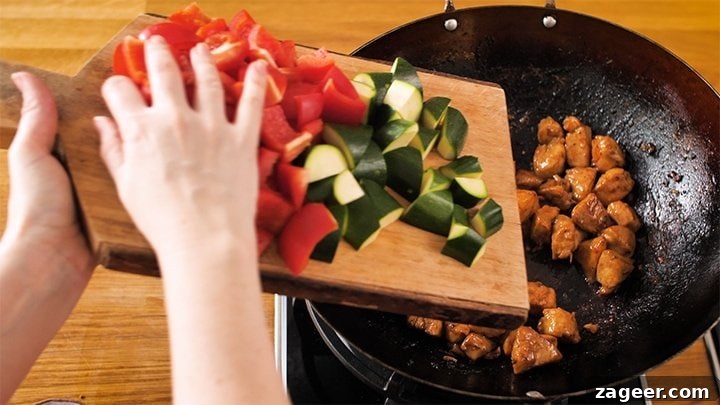
Next, introduce the chopped red bell peppers and courgette (zucchini) to the wok. These vegetables add essential crunch, color, and freshness to the dish. Continue to stir-fry for another 2-3 minutes. The goal is for the vegetables to be heated through and slightly softened, but still retain a pleasant crispness, providing a delightful textural contrast to the tender chicken.
4. Finishing with the Sauce, Nuts, and Chillies
Now, pour in the reserved two-thirds of the marinade and the dry-fried chillies. Bring the mixture to a boil, then reduce the heat to a simmer and let it cook for a couple of minutes. The sauce will begin to thicken beautifully, coating all the ingredients with its rich, glossy texture. If you desire an even thicker sauce, you can prepare a cornstarch slurry by mixing one tablespoon of cornflour with two tablespoons of cold water. Pour this mixture into the simmering sauce while stirring constantly; it will thicken almost instantly.
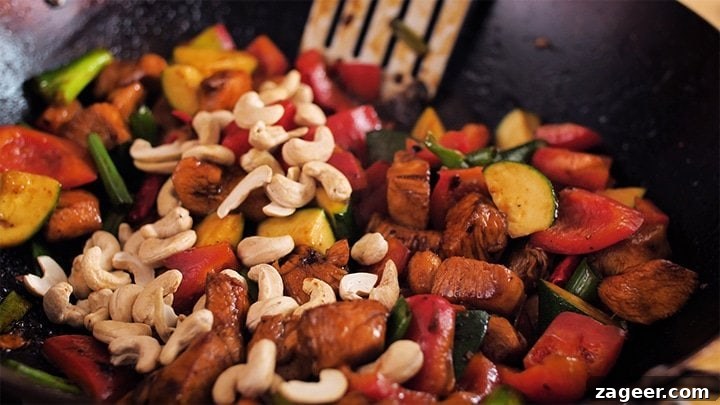
Finally, stir in the unsalted peanuts (or cashews, if you prefer) just before serving. The nuts add a wonderful crunch and a nutty depth of flavor that complements the spicy sauce perfectly. Give everything a quick final toss to combine. Serve your homemade Kung Pao Chicken immediately, hot off the wok, for the best experience.
Navigating the Heat: Eating Whole Chillies in Kung Pao Chicken 🌶️
This Kung Pao Chicken recipe proudly features whole red chillies, just like you’d find in the Panda Express original. These chillies are primarily for infusing the dish with their characteristic heat and aroma rather than being eaten whole. However, if you’re a true spice lover, you might be tempted to try them!
A handy tip for families: you can easily add the whole chillies at the very end with the nuts. This allows you to dish out portions for children or those sensitive to heat before incorporating the spice. I frequently use this method for my homemade Spicy Beef Rendang and Crispy Chilli Beef, ensuring everyone can enjoy the meal.
The big question is – do *you* eat the whole chillies? Or do you politely leave them on the side of your plate? Let us know your spice adventures in the comments below!
The last time I made this, I opted to leave them out, intimidated by their fiery appearance. My husband, Chris, on the other hand, bravely took a large bite of one – I’ve never seen him drink a pint of water so fast! And he generally enjoys very spicy food. It was quite a spectacle!
If you want to extract some of their heat into the dish without risking an inferno in your mouth, you can snip the chillies a couple of times with kitchen scissors while they’re in the pan. This releases their capsaicin (the compound responsible for heat) into the sauce, giving the dish a pleasant warmth without rendering your taste buds useless for the next day. You can also reduce the number of chillies used if you prefer a milder version, or omit them entirely for a completely non-spicy rendition.
Serving Suggestions for Your Kung Pao Masterpiece
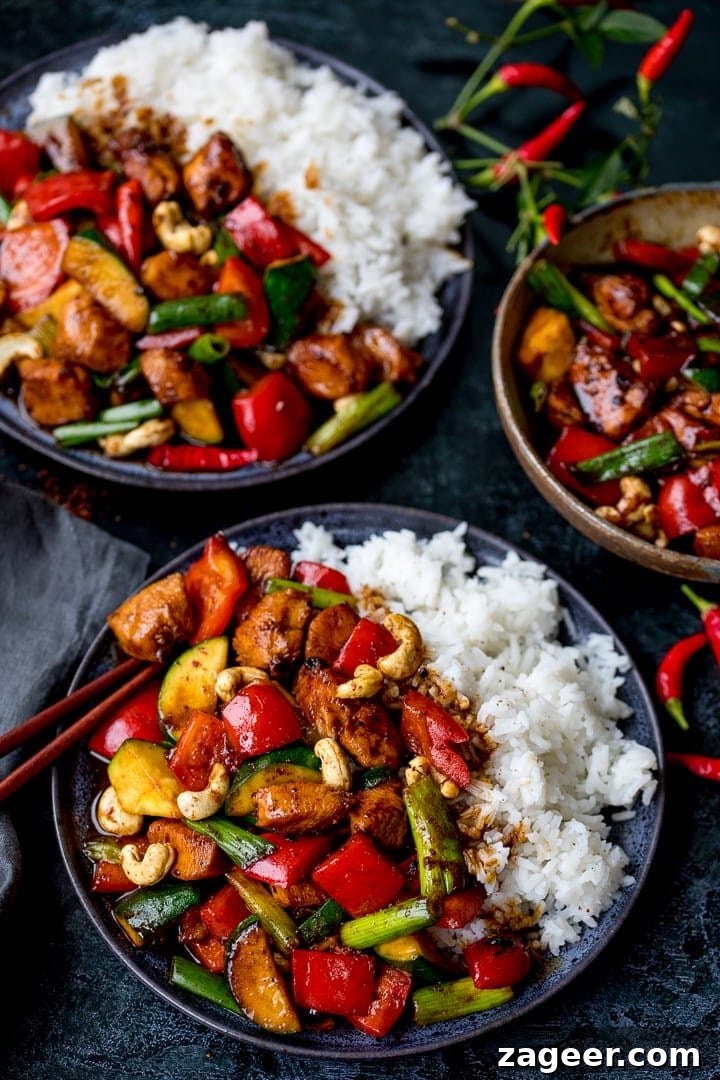
Kung Pao Chicken is a complete meal on its own, but it truly shines when served alongside a perfect complement. A large pile of fluffy boiled rice is the classic choice, soaking up all that incredible sauce. For an extra layer of flavor and texture, consider serving it with Fried Rice. Other fantastic options include brown rice for added fiber, or even noodles like lo mein or chow mein for a different kind of satisfying carb base. For a lighter meal, you can serve it with cauliflower rice or a simple side salad. Don’t forget a refreshing beverage – especially if you’re brave enough to tackle those whole chillies!
Making Kung Pao Chicken Gluten-Free
Absolutely! Adapting this Kung Pao Chicken recipe to be gluten-free is straightforward, allowing everyone to enjoy this delicious dish. The main components to consider are soy sauce, rice wine, and hoisin sauce.
For the soy sauce, simply swap it out for tamari. Tamari is a Japanese soy sauce that is naturally gluten-free and offers a similar rich, umami flavor. When it comes to rice wine, a splash of dry sherry makes an excellent substitute, providing the necessary acidity and depth without the gluten. Lastly, ensure you use a certified gluten-free hoisin sauce. Many brands now offer gluten-free versions, but always double-check the label to confirm. With these simple substitutions, you can enjoy all the authentic flavors of Kung Pao Chicken without any gluten concerns!
Meal Prep and Making Ahead: Your Kung Pao Questions Answered
While I generally find that Kung Pao Chicken tastes best when made fresh, particularly for the vibrant crunch of the vegetables, it is certainly possible to prepare it ahead or enjoy leftovers. The fresh vegetables retain their crispness beautifully when cooked and served immediately. However, if you have leftovers, they make for a fantastic next-day meal.
To store, quickly cool the dish after cooking, cover it tightly, and refrigerate within two hours. It will keep well in the fridge for up to two days. For longer storage, you can freeze individual portions. Simply transfer the cooled Kung Pao Chicken to freezer-safe containers and freeze for up to three months. When you’re ready to enjoy it, defrost overnight in the refrigerator and then reheat thoroughly in the microwave or on the stovetop until piping hot. Stir it a couple of times during reheating to ensure even heating and prevent any sticking.
This makes our Kung Pao Chicken a fantastic option for meal prep, providing a delicious and convenient meal that can be enjoyed throughout the week. You can even prepare the marinade and chop your vegetables ahead of time, storing them separately in the fridge, to cut down on active cooking time on busy evenings.
Vegetarian and Other Protein Alternatives for Kung Pao Chicken
This versatile Kung Pao recipe isn’t limited to chicken! It adapts beautifully to a variety of proteins, allowing you to customize it to your preference or dietary needs.
For a delicious **vegetarian alternative**, you have several excellent options:
- Quorn pieces: These readily absorb the flavors of the marinade and sauce, providing a texture similar to chicken.
- Mushrooms: Hearty mushrooms like cremini or shiitake, cut into substantial chunks, add an earthy depth and a meaty texture.
- Tofu: Extra-firm tofu, pressed, cubed, and lightly fried or baked until golden, becomes wonderfully crispy and soaks up the sauce beautifully.
When opting for a vegetarian version, remember to check that your chosen hoisin sauce brand is indeed vegetarian or vegan, as some may contain oyster extract. Most popular brands are plant-based, but it’s always wise to confirm by checking the label.
If you’re looking to explore **other protein options** beyond chicken, consider these flavorful choices:
- Thinly sliced steak: Beef, such as flank or sirloin, works incredibly well. Marinate it for a shorter time and stir-fry quickly to keep it tender.
- Prawns (shrimp): These cook very fast and offer a delicate, sweet flavor that contrasts beautifully with the spicy sauce. Add them towards the end of the cooking process to avoid overcooking.
- Pork: Thinly sliced pork tenderloin or shoulder can also be used, providing a rich flavor profile.
No matter your protein choice, this Kung Pao sauce is robust enough to complement it perfectly, making it a truly adaptable recipe for any palate.
Other Beloved Chinese Takeaway Favorites
If you love recreating your favorite Chinese takeaway dishes at home, you’re in for a treat! Our collection of Asian recipes is packed with irresistible options that are consistently popular and guaranteed to delight your family and friends. Here are some of our top picks:
- Crispy Sesame Chicken with Sticky Asian Sauce: This recipe is a consistent hit on our blog, known for its perfectly crispy chicken and addictive sweet and savory glaze.
- Sweet and Sour Chicken: A timeless classic that our kids absolutely devour every single time – a true family favorite!
- Sticky Chinese Pork Belly: Be warned, this dish is so incredibly addictive with its tender, melt-in-your-mouth pork and rich, sticky glaze.
- Orange Chicken: Another Panda Express classic that’s bright, zesty, and utterly delicious. And don’t miss our equally tasty Chinese Plum Chicken!
- Spicy Ginger Beef Stir Fry: A quick, vibrant, and flavorful option perfect for a weeknight meal.
We have so many fantastic Asian recipes to explore. Be sure to check out our full Asian Recipes category for more inspiration and culinary delights!
Watch the Recipe Video
***If you’ve enjoyed my Copycat Panda Express Kung Pao Chicken recipe, please consider rating it ⭐⭐⭐⭐⭐ and sharing your thoughts and any creative add-ons in the comments below! I truly love hearing from you and seeing your culinary creations!***
Don’t forget to follow us on INSTAGRAM, and subscribe to our YOUTUBE Channel to stay updated with our latest recipe videos and cooking tips!
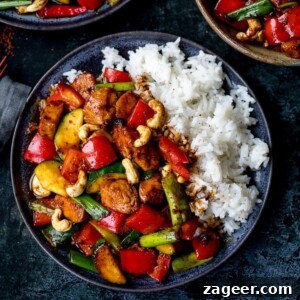
Kung Pao Chicken
By Nicky Corbishley
My Copycat Panda Express Kung Pao Chicken is a deliciously spicy stir-fry with lots of chunky veggies and chicken, coated in a rich, tasty homemade sauce!
Prep Time: 10 mins
Cook Time: 20 mins
Marinating time: 30 mins
Total Time: 1 hr
Servings: 4 people
Course: Dinner
Cuisine: Asian
Ingredients
Marinade:
- 2 tbsp rice wine
- ¼ tsp white pepper
- 5 tbsp dark soy sauce
- 4 tbsp hoisin sauce
- 1 tsp sesame oil
- 2 tbsp sugar
- 2 garlic cloves, peeled and minced
- 1 thumb-sized piece of fresh ginger, peeled and grated
- ½ tsp ground Sichuan peppers (optional – for those who like it hotter)
Remaining Ingredients:
- 3 chicken breasts, chopped into bite-sized pieces
- 1 tsp cornflour/cornstarch
- 8 dry whole chili peppers (adjust to preferred heat)
- 1 tbsp vegetable oil
- 2 red bell peppers, chopped into squares
- 1 medium-sized courgette/zucchini, chopped into chunks
- 12 spring onions/scallions, chopped roughly
- 70 g (½ cup) unsalted peanuts or cashews if you prefer
To Serve:
- boiled rice
Instructions
- Begin by mixing all the marinade ingredients in a medium bowl until well combined. This is your flavorful base.
- In a separate bowl, place the chopped chicken pieces and toss them with the cornflour/cornstarch until lightly coated.
- Stir approximately one-third of the prepared marinade into the chicken mixture. Ensure the chicken is fully coated. Cover the bowl and refrigerate for 30 minutes to allow the flavors to penetrate (or up to 12 hours for deeper flavor). Crucially, reserve the remaining two-thirds of the marinade; this will be used later for the sauce.
- Heat your wok or a large frying pan over a medium heat. Add the whole dry chili peppers and dry-cook them for a couple of minutes, turning regularly. Watch them carefully as they can burn quickly. You want them to darken slightly and become fragrant, not burnt. Once cooked, remove them from the pan and set aside.
- Add the vegetable oil to your wok and increase the heat to high. Once hot and shimmering, add the marinated chicken (use a slotted spoon to avoid adding excess marinade to the wok). Fry the chicken for about 7-8 minutes, stirring frequently, until it is thoroughly cooked through and lightly browned.
- Introduce the chopped red bell peppers, courgette/zucchini, and spring onions/scallions to the wok with the chicken. Continue to cook for a further 2-3 minutes, stirring constantly. The goal is for the vegetables to be heated through and still crunchy, retaining their vibrant texture.
- Pour in the reserved two-thirds of the marinade along with the dry-fried chillies you set aside earlier. Bring the mixture to a boil, then simmer for about 2 minutes, stirring occasionally, until the sauce begins to thicken slightly and coats all the ingredients beautifully.
- If you prefer a thicker sauce, you can create a cornstarch slurry. Mix one tablespoon of cornflour/cornstarch with a couple of tablespoons of cold water until smooth. Pour this mixture into the simmering sauce while stirring continuously. The sauce will thicken very quickly to your desired consistency.
- Just before serving, stir in the unsalted peanuts (or cashews). Give them a quick toss to warm through and integrate with the dish. Serve your homemade Kung Pao Chicken immediately over hot boiled rice, and have a large glass of water handy if you plan on eating those delicious but potent chillies!
Notes
Can I make it gluten-free?
Yes, you can! Substitute the soy sauce with tamari and the rice wine with a splash of dry sherry. Also, be sure to use a gluten-free hoisin sauce. Always check product labels to confirm they are indeed gluten-free.
Can I make it ahead?
For the best texture, especially with crisp vegetables, this dish is ideal when made fresh. However, leftovers can be quickly cooled, covered, and refrigerated for up to 2 days. For longer storage, freeze in airtight containers for up to 3 months. Defrost in the refrigerator overnight and reheat in the microwave or on the stovetop until steaming hot throughout, stirring occasionally.
Alternatives to chicken?
Thinly sliced steak, succulent prawns (shrimp), or tender pork all work wonderfully as alternatives to chicken. For a vegetarian option, consider Quorn, hearty mushrooms, or firm tofu, ensuring your hoisin sauce is vegetarian-friendly (most are, but it’s good to check).
Meal prep:
This recipe is fantastic for meal prepping! Cook extra portions, allow them to cool quickly, then cover and refrigerate. It tastes great even when served cold with sides like couscous, quinoa, bulgur wheat, and a fresh salad, and keeps for 2 days in the fridge.
Nutritional Information:
Nutritional Information is automatically calculated per serving without rice and should be used as an approximation.
Nutrition
Calories: 372kcal | Carbohydrates: 28g | Protein: 27g | Fat: 16g | Saturated Fat: 4g | Cholesterol: 54mg | Sodium: 1628mg | Fiber: 5g | Sugar: 16g
Nutrition information is automatically calculated, so should only be used as an approximation.
Like this recipe? We would love for you to leave a comment below and share your thoughts!
This recipe was first posted in May 2015. It was updated in November 2018 with new photos, detailed process photos, an instructional recipe video, and enhanced recipe tips. Further updates in October 2019 included general housekeeping and additional helpful tips to improve the user experience and recipe clarity.
Some of the links in this post may be affiliate links – which means if you buy the product I get a small commission (at no extra cost to you). If you do buy, then thank you! That’s what helps us to keep Kitchen Sanctuary running. The nutritional information provided is approximate and can vary depending on several factors. For more information please see our Terms & Conditions.