
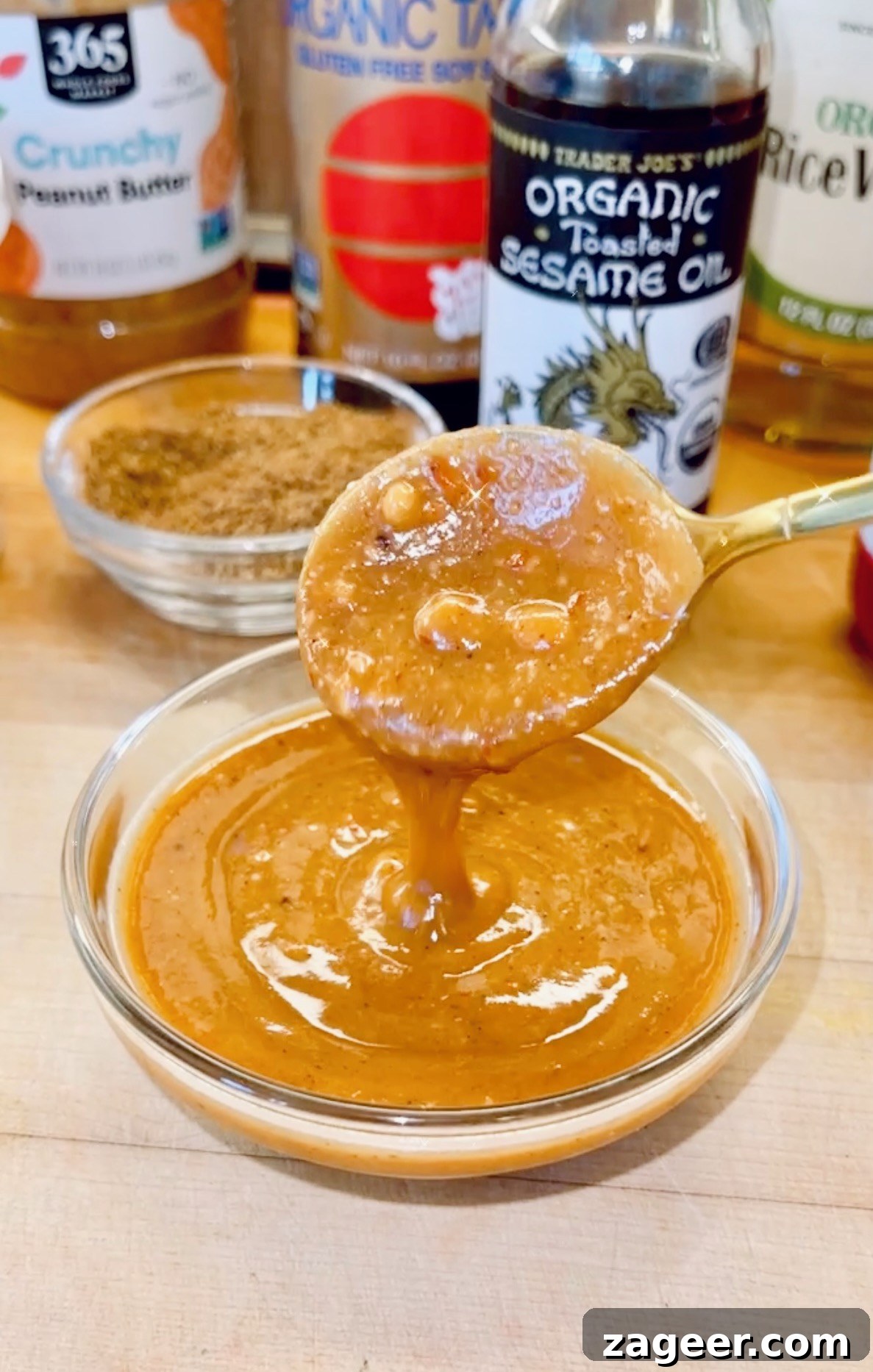
Healthy & Homemade Hoisin Sauce: Your Ultimate Guide to a Gluten-Free, Refined Sugar-Free Asian BBQ Delight
For many passionate home cooks and enthusiasts of Asian cuisine, finding a high-quality hoisin sauce that aligns with specific dietary preferences can be a frustrating quest. Store-bought options often come laden with ingredients we strive to avoid: hidden gluten, excessive refined sugars, and a cocktail of unpronounceable preservatives and artificial additives. This common challenge sparked the inspiration to create a superior homemade alternative, especially since hoisin sauce – often dubbed the “Chinese BBQ sauce” – is an indispensable cornerstone in countless authentic Asian dishes.
Imagine a hoisin sauce that not only delivers the classic sweet, savory, and tangy notes you crave but also empowers you with full control over every ingredient. Our recipe offers just that: a quick, easy, and incredibly flavorful homemade hoisin sauce that is naturally gluten-free and entirely free from refined sugars and unnecessary additives. Get ready to transform your stir-fries, marinades, and dipping experiences with a condiment that truly stands out for its purity and vibrant taste. Say goodbye to compromise and hello to a healthier, more delicious way to enjoy this beloved Asian staple.
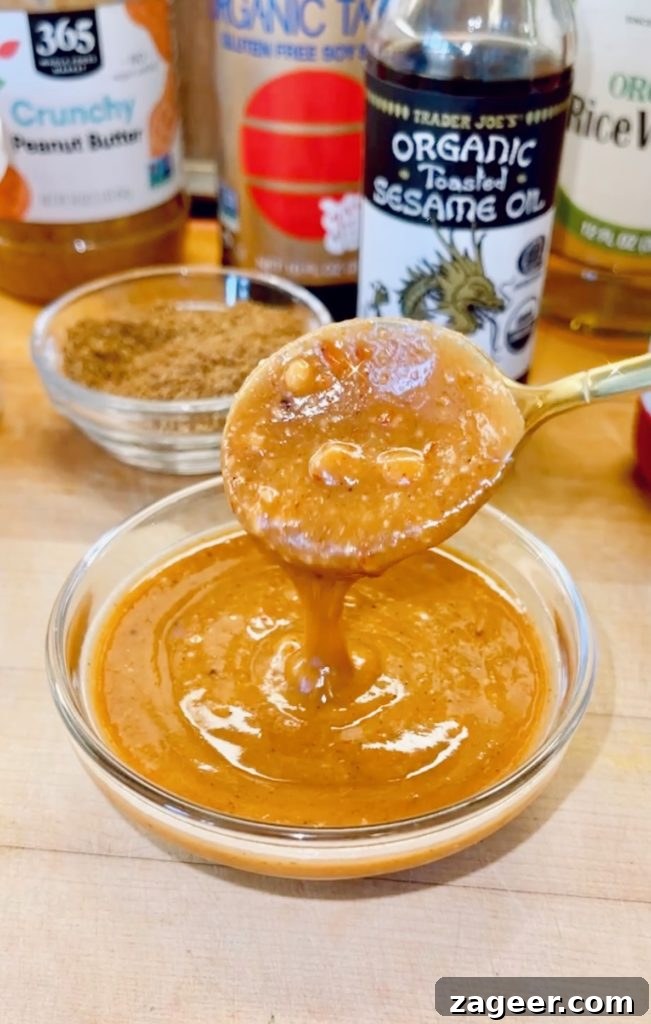
Homemade Hoisin Sauce Recipe
Olivia Adriance
Print Recipe
Ingredients for Healthy Homemade Hoisin Sauce
- 2 tbsp tamari (use gluten-free for a truly gluten-free sauce)
- 1 tbsp rice vinegar (adds essential tang and brightness)
- 1 tsp toasted sesame oil (for nutty aroma and depth)
- 1 tsp coconut aminos (a soy-free, lower-sodium alternative for sweetness and umami)
- 2 tsp sriracha (adjust according to your desired spice level)
- 1 heaping tbsp miso paste (white or yellow miso recommended for milder flavor)
- 1 heaping tbsp peanut butter (creamy and unsweetened is best; for nut-free, use tahini or sunflower seed butter)
- 1/4 tsp Chinese five spice (crucial for authentic, aromatic flavor)
Step-by-Step Instructions for Preparing Your Homemade Hoisin Sauce
-
Step 1: Prepare Your Workspace and Ingredients. Begin by gathering all your required ingredients and ensuring they are at room temperature. This makes mixing significantly easier, especially for thicker components like miso paste and peanut butter. Measure each ingredient precisely to ensure a balanced flavor profile in your finished sauce.
-
Step 2: Combine All Liquid and Paste Ingredients. In a medium-sized mixing bowl, add the 2 tablespoons of tamari, 1 tablespoon of rice vinegar, 1 teaspoon of toasted sesame oil, 1 teaspoon of coconut aminos, and 2 teaspoons of sriracha. Next, add the heaping tablespoon of miso paste and the heaping tablespoon of peanut butter. Finally, sprinkle in the 1/4 teaspoon of Chinese five spice.
-
Step 3: Whisk Thoroughly Until Smooth. Using a sturdy whisk or a fork, begin to vigorously combine all the ingredients in the bowl. Continue whisking diligently until the mixture transforms into a completely smooth, uniform sauce. Ensure there are no visible lumps from the miso paste or peanut butter, which may require a minute or two of continuous stirring. The goal is a velvety, consistent texture.
-
Step 4: Taste and Customize to Your Preference. Once the sauce is thoroughly mixed, take a small taste. This is your opportunity to personalize the flavor! If you prefer a spicier kick, add a bit more sriracha. For a subtle sweetness, a tiny dash of maple syrup or honey can be incorporated. If the sauce feels too thick, whisk in half a teaspoon of water at a time until your desired consistency is achieved.
-
Step 5: Your Hoisin Sauce is Ready! Your fresh, healthy, and homemade hoisin sauce is now complete and ready for use. It can be immediately incorporated into your favorite recipes, used as a dipping sauce, or saved for later. Refer to the “Serving Suggestions” and “Storage Tips” sections below for optimal enjoyment and preservation.
Why Choose Homemade Hoisin? The Benefits of Crafting Your Own
The decision to make your own hoisin sauce isn’t just about a single recipe; it’s a commitment to healthier eating and superior flavor. Here’s a deeper look into the compelling reasons to ditch the store-bought bottles and embrace the homemade:
- Ultimate Ingredient Control: The primary benefit is knowing precisely what goes into your food. Commercial hoisin often contains high-fructose corn syrup, refined cane sugar, artificial colors (like caramel color), and a range of preservatives such as sodium benzoate. By making it at home, you eliminate these undesirable additives, opting for natural, wholesome ingredients.
- Tailored to Dietary Needs: This recipe is a savior for those with dietary restrictions. It’s naturally gluten-free when using tamari, a vital aspect for individuals with celiac disease or gluten sensitivity. Furthermore, it contains no refined sugars, making it suitable for those managing blood sugar levels or following a sugar-conscious diet. For nut allergies, simple substitutions like tahini or sunflower seed butter ensure everyone can enjoy this delicious sauce.
- Unrivaled Freshness and Flavor Profile: Freshness makes an undeniable difference. The vibrant flavors of newly combined ingredients—the aromatic spices, the richness of miso and peanut butter, the tang of rice vinegar—create a sauce that is far more complex and palatable than anything from a jar. It lacks the sometimes cloying sweetness or overly processed taste found in many commercial varieties.
- Customization for Your Palate: Are you someone who loves a little extra heat? Or perhaps you prefer a less tangy finish? Making hoisin at home gives you the freedom to adjust the spice level, sweetness, and overall balance to perfectly suit your personal taste preferences and the specific dish you’re preparing. This level of customization is impossible with pre-made sauces.
- Cost-Effectiveness: While initial ingredient purchases might seem like an investment, many components of hoisin are pantry staples. Over time, making your own hoisin sauce proves to be more economical than regularly buying specialty or organic versions from health food stores, especially if you use it frequently in your cooking.
- Empowerment in the Kitchen: There’s a profound sense of accomplishment that comes with creating a staple condiment from scratch. It builds culinary confidence and encourages further experimentation, transforming your cooking experience from mundane to truly inspiring.
Choosing homemade hoisin is an investment in your health, your taste buds, and your culinary skills. It’s a simple step that yields significant rewards, allowing you to enjoy your favorite Asian flavors guilt-free and deliciously.
Understanding Hoisin Sauce: A Culinary Snapshot
Hoisin sauce, a beloved and foundational condiment in Chinese cuisine, particularly Cantonese, is far more than just a “sauce.” It’s a symphony of flavors that encapsulates the essence of Asian cooking. Often referred to as “Chinese BBQ sauce” due to its dark, glossy appearance and sweet-savory profile, hoisin plays a versatile role in kitchens worldwide.
The name “hoisin” itself translates from Cantonese as “seafood sauce,” a curious designation since traditional hoisin rarely contains seafood. Instead, its distinctive character comes from a complex blend of fermented soybean paste, garlic, chiles, sesame oil, and a unique combination of spices. This creates a rich, thick, and aromatic sauce that is sweet, savory, tangy, and subtly spicy, with a deep umami undertone. It’s this intricate balance that makes hoisin such an indispensable ingredient.
Hoisin sauce is renowned for its ability to elevate a myriad of dishes. It’s the iconic accompaniment for Peking duck, the flavorful glaze for char siu (Chinese BBQ pork), and a key ingredient in many stir-fries, noodle dishes, and marinades. Its robust flavor profile means it can stand alone as a dipping sauce for spring rolls, dumplings, or even fresh vegetables, offering an instant burst of authentic Asian flair. Our homemade version meticulously captures this traditional flavor while adhering to a clean and healthy ingredient list, ensuring you get all the taste without the unwanted extras.
Unpacking the Flavor Makers: Key Ingredients Explained
Each ingredient in this homemade hoisin sauce recipe has been carefully selected for its distinct contribution to the overall flavor and texture. Understanding these components will deepen your appreciation for the sauce and allow for informed customization.
- Tamari: As the base for our healthy hoisin, tamari is a Japanese soy sauce alternative that is traditionally brewed with little to no wheat, making it naturally gluten-free. It provides the essential salty, umami-rich foundation that defines many Asian sauces. For those without gluten concerns, regular soy sauce can be used, but ensure it’s a good quality, naturally brewed variety for the best flavor.
- Rice Vinegar: This mild and slightly sweet vinegar is crucial for balancing the richness and sweetness of the sauce. It introduces a bright, tangy note that cuts through the heavier flavors, preventing the hoisin from becoming overly one-dimensional and adding a refreshing lift.
- Toasted Sesame Oil: A powerful aromatic, toasted sesame oil delivers a distinctive nutty and deeply fragrant essence. Even a small amount significantly enhances the overall “Asian” character of the sauce, providing warmth and a savory depth that is instantly recognizable and incredibly appealing.
- Coconut Aminos: An excellent soy-free and gluten-free condiment derived from coconut blossom nectar, coconut aminos offer a subtle sweetness and an additional layer of mild umami. It helps to round out the flavor profile without adding refined sugars, making it a fantastic ingredient for clean eating.
- Sriracha: This popular chili sauce brings a fiery kick and a hint of garlic to the hoisin. It’s responsible for the sauce’s pleasant heat, which perfectly complements the sweet and savory elements. The beauty of sriracha is its adjustability: add more for a bolder spice or less for a milder, family-friendly version.
- Miso Paste: A fermented soybean paste, miso is a true umami powerhouse. For hoisin, white or yellow miso paste is typically preferred as they offer a milder, slightly sweet, and less intensely salty flavor compared to darker red misos. It adds an incredible depth, complexity, and a nuanced fermented tang that enriches the sauce’s body and overall profile.
- Peanut Butter: Beyond imparting a delightful nutty flavor, creamy peanut butter serves a vital role as a natural thickener, giving the hoisin its characteristic smooth, luxurious texture. It also contributes a rich, savory body to the sauce. For individuals with nut allergies, unsweetened almond butter or sunflower seed butter (SunButter) are excellent, texture-comparable alternatives.
- Chinese Five Spice: This iconic blend of star anise, cloves, Chinese cinnamon, Sichuan peppercorns, and fennel seeds is the aromatic heart and soul of authentic hoisin. It imparts a warm, complex, and subtly exotic flavor that is unique and absolutely essential for achieving the sauce’s traditional character. It’s the secret ingredient that ties all other flavors together.
Each of these ingredients contributes to the tapestry of flavors that makes this homemade hoisin sauce so exceptional. By combining them thoughtfully, you create a condiment that is not only healthy but also bursting with authentic taste.
Serving Suggestions: Creative Ways to Enjoy Your Homemade Hoisin
Now that you’ve mastered the art of making healthy homemade hoisin sauce, it’s time to unleash its culinary potential! This versatile condiment can elevate a vast array of dishes, from quick weeknight meals to impressive dinner party fare. Here are some inspiring ways to incorporate your freshly made hoisin:
- As a Dynamic Marinade: Hoisin makes an incredible marinade for various proteins. Coat chicken thighs, pork tenderloin, beef strips, or even firm tofu cubes. Let them marinate for at least 30 minutes, or ideally several hours (or overnight) in the refrigerator, before grilling, baking, pan-frying, or stir-frying for deeply infused flavor.
- The Ultimate Stir-Fry Sauce: Ditch pre-made stir-fry sauces and use your homemade hoisin. Add it during the final few minutes of cooking your favorite vegetable and protein stir-fry. It will beautifully coat all ingredients, creating a glossy finish and a burst of savory-sweet flavor.
- A Flavorful Dipping Companion: Serve your hoisin sauce as a dipping condiment for a variety of appetizers and snacks. It’s perfect with fresh spring rolls, crispy egg rolls, steamed or pan-fried dumplings, lettuce wraps, or even simple raw vegetable sticks like cucumber and carrots.
- Glaze for Roasted Perfection: Brush this delicious sauce over roasted meats such as duck, spare ribs, chicken wings, or pork belly during the last 15-20 minutes of cooking. The sugars (from coconut aminos and peanut butter) will caramelize beautifully, creating a sticky, irresistible glaze.
- Enhancer for Noodle and Rice Bowls: Drizzle a generous amount over a steaming bowl of ramen, pho, vermicelli noodles, or a simple rice bowl topped with your favorite vegetables and protein. It adds instant depth and that coveted umami punch.
- Creative Sandwich or Wrap Spread: For an unexpected twist, mix a dollop of hoisin with mayonnaise for a unique spread, or simply spread it thinly on sandwiches and wraps. It pairs wonderfully with roasted chicken or pork.
- Healthy BBQ Alternative: Use your homemade hoisin as a healthier alternative to traditional barbecue sauces on grilled skewers, burgers, or even brushed onto grilled corn on the cob.
- Dress Up Tacos: Experiment with Asian-inspired tacos! Use hoisin as a base sauce for shredded pork or chicken tacos, topped with crisp slaw and a squeeze of lime.
The versatility of homemade hoisin sauce means your culinary adventures are only limited by your imagination. Don’t hesitate to experiment and discover new favorite pairings!
Storage & Shelf Life: Keeping Your Homemade Hoisin Fresh
One of the many advantages of homemade sauces is their freshness, but this also means they generally have a shorter shelf life than their preservative-laden commercial counterparts. To ensure your healthy hoisin sauce remains delicious and safe to consume, proper storage is crucial:
- Refrigeration is Mandatory: Immediately after preparing your hoisin sauce, transfer it to a clean, airtight container. Store it promptly in the refrigerator. This will prevent bacterial growth and maintain its freshness and flavor.
- Optimal Shelf Life: Given its fresh ingredients and lack of artificial preservatives, your homemade hoisin sauce is best enjoyed within 1 to 2 weeks when stored correctly in the refrigerator. While it might technically be safe for a bit longer, its peak flavor and vibrant aroma will be most apparent within this timeframe.
- Always Check for Spoilage: Before each use, visually inspect the sauce and give it a quick sniff. Any signs of mold, off-colors, or an unusual odor indicate that the sauce has spoiled and should be discarded.
- Freezing for Extended Storage (Optional): For those who make larger batches or wish to store the sauce for a longer duration, hoisin freezes beautifully. Pour the sauce into an airtight, freezer-safe container or even into ice cube trays (for convenient single-serving portions). It can be stored in the freezer for up to 2-3 months. When ready to use, thaw it overnight in the refrigerator and give it a good whisk to recombine any ingredients that may have separated during the freezing process.
By following these straightforward storage guidelines, you can ensure that your healthy homemade hoisin sauce is always ready to bring authentic Asian flavors to your table whenever the craving strikes.
Customization & Variations: Tailoring Your Hoisin to Perfection
The true joy of making condiments from scratch lies in the freedom to adapt them to your precise tastes and dietary preferences. This homemade hoisin sauce recipe is remarkably flexible, inviting you to experiment and create a version that is uniquely yours. Here are some ideas for customization and variations:
- Adjusting Sweetness Levels: While this recipe is naturally free of refined sugars, you might prefer a sweeter profile. You can easily add a natural sweetener such as maple syrup, agave nectar, or a small amount of honey. Start with half a teaspoon, mix well, taste, and add more gradually until you reach your desired sweetness.
- Modifying Spice Intensity: The sriracha provides the primary heat. For a milder sauce, reduce the amount of sriracha or omit it entirely. If you crave more heat, feel free to add an extra teaspoon of sriracha or a pinch of red pepper flakes for an added fiery kick.
- Nut-Free Alternatives: For individuals with peanut allergies, creamy tahini (sesame paste) or sunflower seed butter (like SunButter) are excellent substitutes for peanut butter. They will provide a similar creamy texture and a distinct, pleasant nutty flavor, making the sauce safe for everyone.
- Boosting Umami Further: To deepen the umami profile, consider adding a very small amount (a quarter teaspoon) of mushroom powder, or if not strictly vegetarian/vegan, a tiny dash of fish sauce can provide an incredible savory depth.
- Controlling Consistency: If you find the sauce too thick, simply whisk in a teaspoon of water or vegetable broth at a time until it reaches your preferred pourable or spreadable consistency. Conversely, if you desire an even thicker sauce, you can gently heat it in a small saucepan over low heat and whisk in a cornstarch slurry (mix 1 teaspoon cornstarch with 1 tablespoon cold water) until it thickens to your liking.
- Adding Fresh Aromatics: While Chinese five spice offers comprehensive flavor, incorporating finely minced fresh garlic or grated fresh ginger (about 1/2 teaspoon of each) can add an extra layer of bright, aromatic complexity to your hoisin.
- Smoky Notes: For a subtle smoky flavor that mimics some BBQ sauces, a tiny drop of liquid smoke can be added, but use sparingly as it is very potent.
Embrace the culinary adventure! Your kitchen is the perfect place to experiment and create a personalized hoisin sauce that perfectly complements your cooking style and taste buds.