
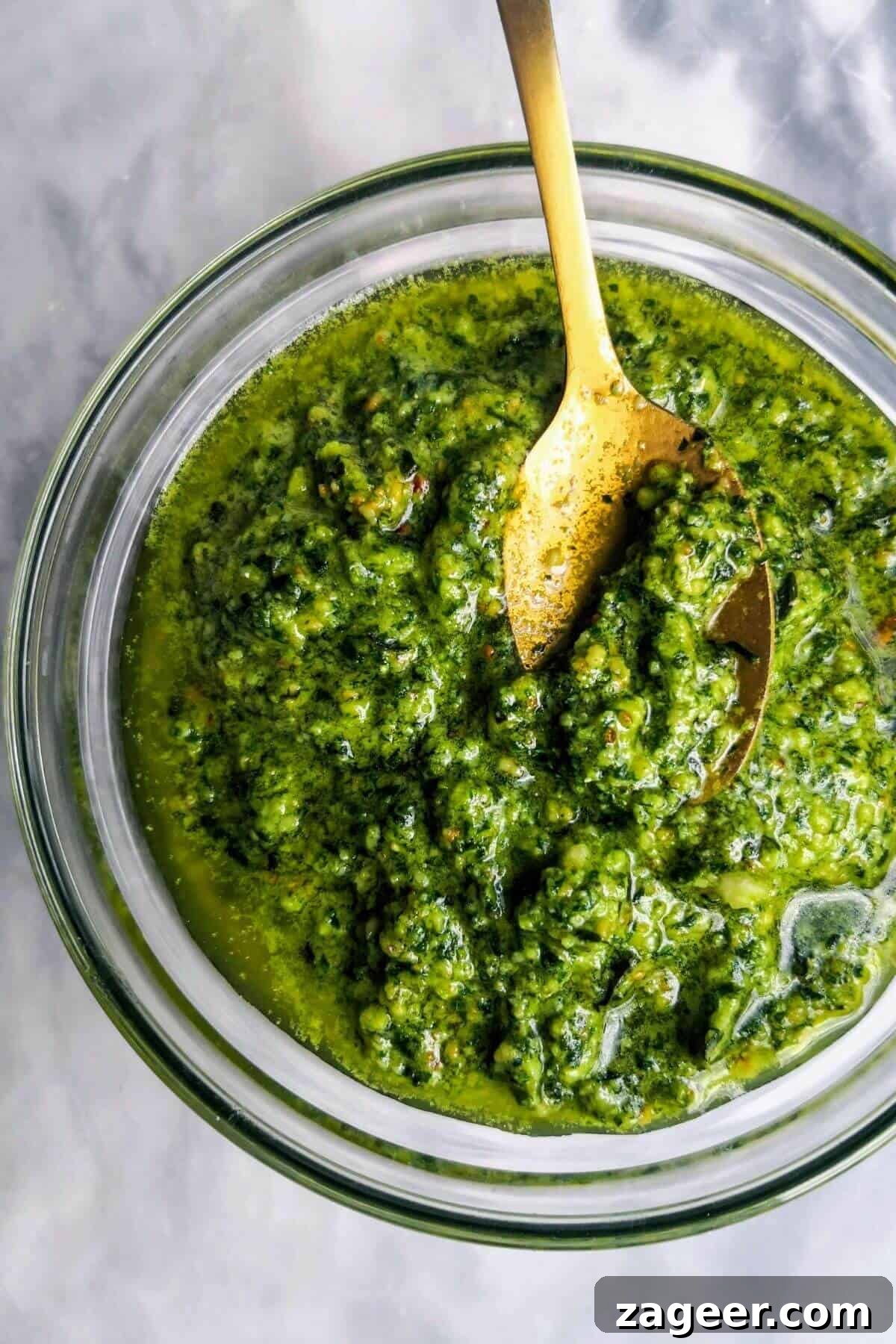
Mastering Homemade Basil Pesto: A 10-Minute Guide to Fresh, Flavorful Sauce
Imagine a sauce so fresh, so aromatic, and so bursting with flavor that it transforms any meal into a culinary delight. This isn’t a dream – it’s the reality of homemade basil pesto. In just 10 minutes, with a handful of simple, wholesome ingredients and the magic of a food processor, you can create a vibrant, herbaceous pesto that utterly surpasses any jarred variety. Say goodbye to flat, muted flavors and hello to a sauce that tastes like pure sunshine.
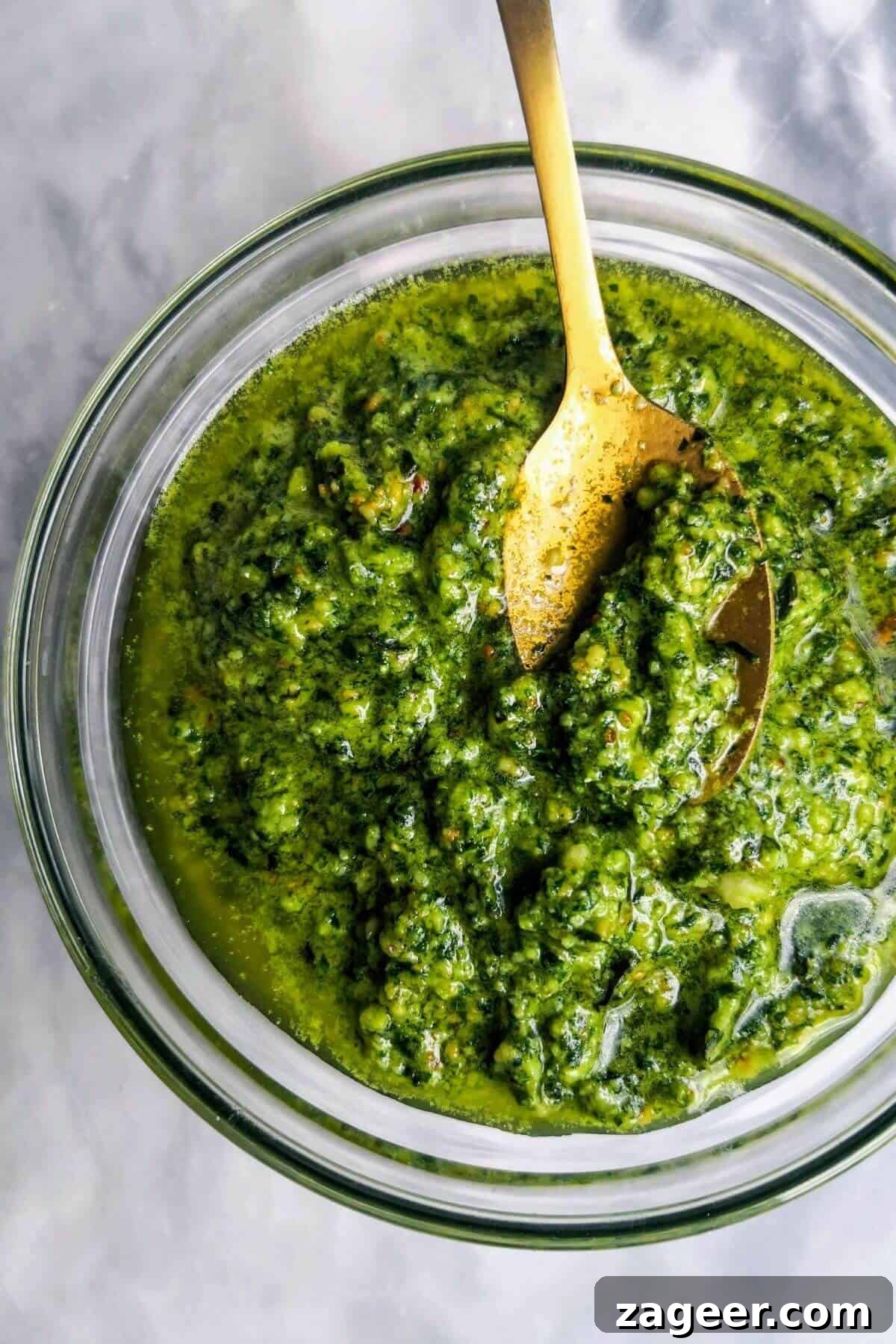
Once you experience the sheer simplicity and incredible taste of freshly made basil pesto, there’s no turning back. It’s not just a recipe; it’s a revelation. The difference between homemade and store-bought is monumental – a fresh pesto boasts bright, zesty notes and a depth of flavor that commercially produced versions simply can’t match. It’s a testament to the power of fresh ingredients and minimal processing.
The Incredible Versatility of Homemade Basil Pesto
Beyond its irresistible taste, one of the greatest attributes of basil pesto is its remarkable versatility. This isn’t merely a pasta sauce; it’s a culinary chameleon, ready to elevate almost any dish. Whether you’re aiming for a speedy weeknight dinner or a sophisticated appetizer, pesto is your secret weapon in the kitchen.
Toss it generously through your favorite pasta for a quick and satisfying meal, or incorporate it into a refreshing pasta salad for a delicious make-ahead option. Drizzle it over roasted vegetables like asparagus, broccoli, or bell peppers to add an instant punch of flavor and a beautiful green hue. Spread it onto sandwiches, wraps, or flatbreads for an immediate upgrade to your lunch routine, turning ordinary into extraordinary.
But the possibilities don’t stop there. Consider swirling homemade pesto through creamy dips like super smooth hummus or homemade labneh for an effortless appetizer that’s sure to impress. It’s the star ingredient in a two-ingredient pesto whipped feta dip or can be transformed into a fragrant basil pesto bread dipping oil. For protein lovers, dollop it onto grilled chicken – it pairs wonderfully with miso grilled chicken or sticky honey harissa grilled chicken, infusing them with herby zest. You can even use it to create delightful one-pot pesto chicken meatballs.
Truly, with a jar of fresh basil pesto on hand, you are always just moments away from a delicious, easy, and memorable meal. It’s a staple that offers endless inspiration for both seasoned cooks and kitchen novices alike.
Essential Ingredients for Perfect Pesto
Crafting exceptional basil pesto starts with selecting the right ingredients. Each component plays a crucial role in achieving that perfect balance of flavor, aroma, and texture. Here’s a detailed look at what you’ll need and why:
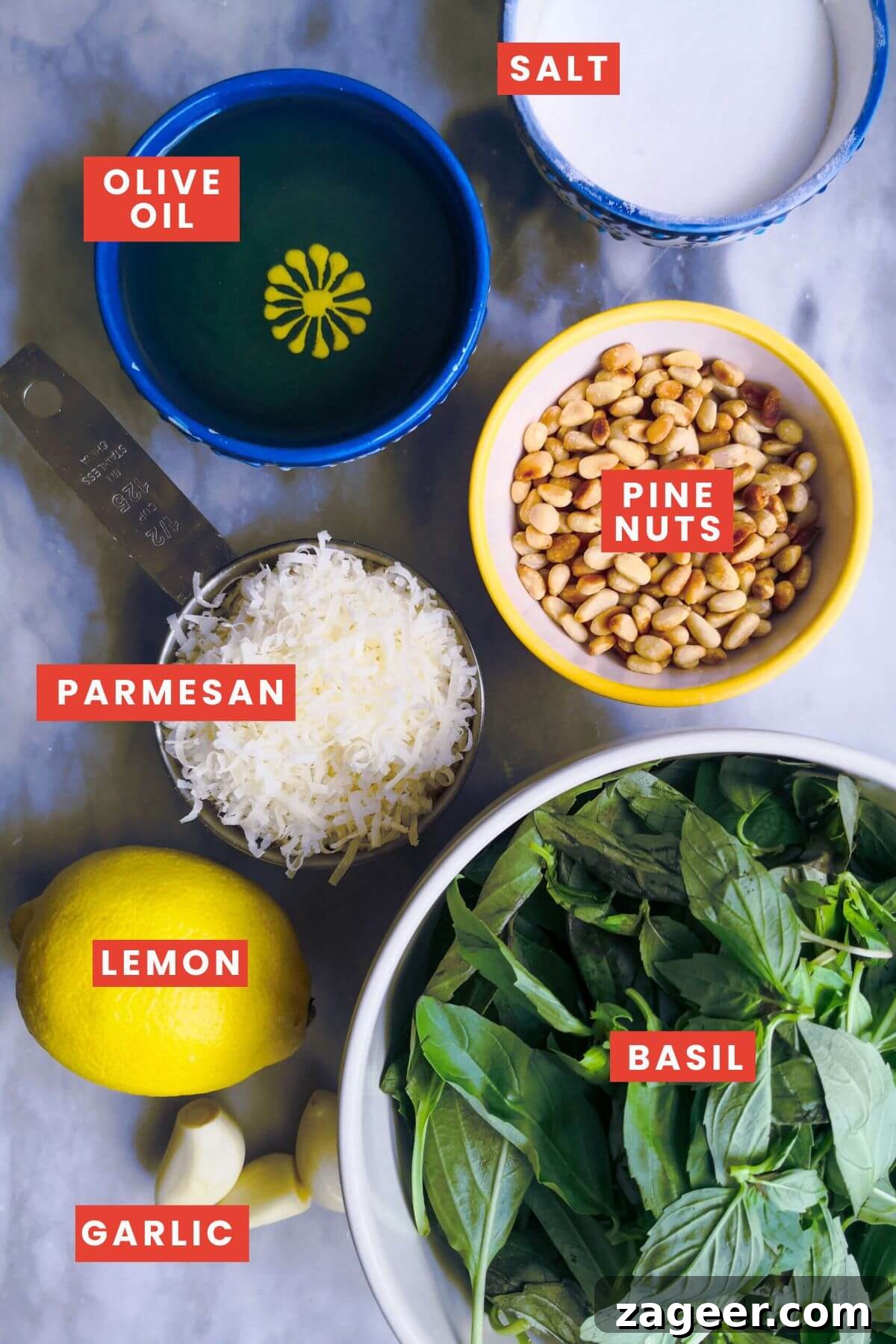
- High-Quality Extra Virgin Olive Oil: This is more than just a binder; it’s a flavor contributor. Since olive oil forms the base of your pesto, using a good quality extra virgin olive oil is paramount. Its fruity, peppery notes will shine through, enriching the overall taste. Avoid light or refined olive oils, as they lack the robust flavor necessary for an authentic pesto.
- Fresh Basil Leaves: The undisputed star of the show! You’ll need about 2 packed cups (roughly 60g) of vibrant, fragrant basil leaves. Look for bright green leaves without any wilting or brown spots. While it’s a good idea to remove any longer, tougher stems which can be bitter, don’t fuss over trimming every tiny bit – the food processor will handle most of the work. The fresher the basil, the more intense and delightful your pesto will be.
- Toasted Pine Nuts (or Alternatives): Traditionally, pine nuts lend a distinct creamy, subtly sweet, and rich texture to pesto. However, they can be quite pricey. Fortunately, there are fantastic alternatives! You can achieve a similar delightful nuttiness using cashews, almonds, pistachios, sunflower seeds, or pumpkin seeds. The key step, regardless of your choice, is to **toast them first** in a dry pan for 2 to 3 minutes over medium-low heat. This simple step awakens their oils, intensifying their flavor and aroma, making your pesto incredibly nutty and complex. Watch them carefully, as they can burn quickly.
- Freshly Grated Parmesan Cheese: For optimal texture and taste, freshly grated Parmesan (about 50g) is a must. Pre-grated cheeses often contain anti-caking agents like cellulose, which can lead to a grainy or gummy pesto. Grating your own ensures a smooth, luscious texture and a much superior, sharper flavor. If you’re short on time, you can even chop your block of Parmesan into smaller chunks and let the food processor do the grating for you. For a vegetarian option, look for Parmesan made without animal rennet or use a different hard, salty cheese like Pecorino Romano.
- Fresh Lemon Juice: A squeeze of fresh lemon juice is not just for flavor; it’s a game-changer for preserving the pesto’s vibrant green color. The acidity helps to prevent the basil from oxidizing and turning brown. It also adds a bright, zesty counterpoint to the richness of the oil and cheese, truly bringing the pesto to life. While bottled lemon juice can work in a pinch, fresh is always best for that bright, natural tang.
- Garlic Cloves: Garlic provides that essential pungent kick that rounds out the pesto’s flavor profile. If you like, you can chop or mince the garlic beforehand, but thanks to the power of the food processor, you can simply toss in whole peeled cloves. This saves time and ensures the garlic is perfectly incorporated into the sauce. Adjust the number of cloves to your personal preference – some like it mild, others prefer a bold garlic presence.
Equipment Note: For this recipe, a food processor is highly recommended. I find it processes the ingredients quicker and more efficiently than a blender, creating a perfectly smooth yet slightly rustic texture. If a blender is all you have, it will certainly work, but you might need to add a touch more olive oil to help the blades move freely and achieve the desired consistency. For purists and those who appreciate tradition, a pestle and mortar can also be used, though it requires more effort and yields a chunkier, more artisanal pesto.
Crafting Your Homemade Basil Pesto: A Step-by-Step Guide
Making basil pesto from scratch is surprisingly easy and incredibly rewarding. Follow these simple steps to create a fresh, aromatic sauce in minutes:
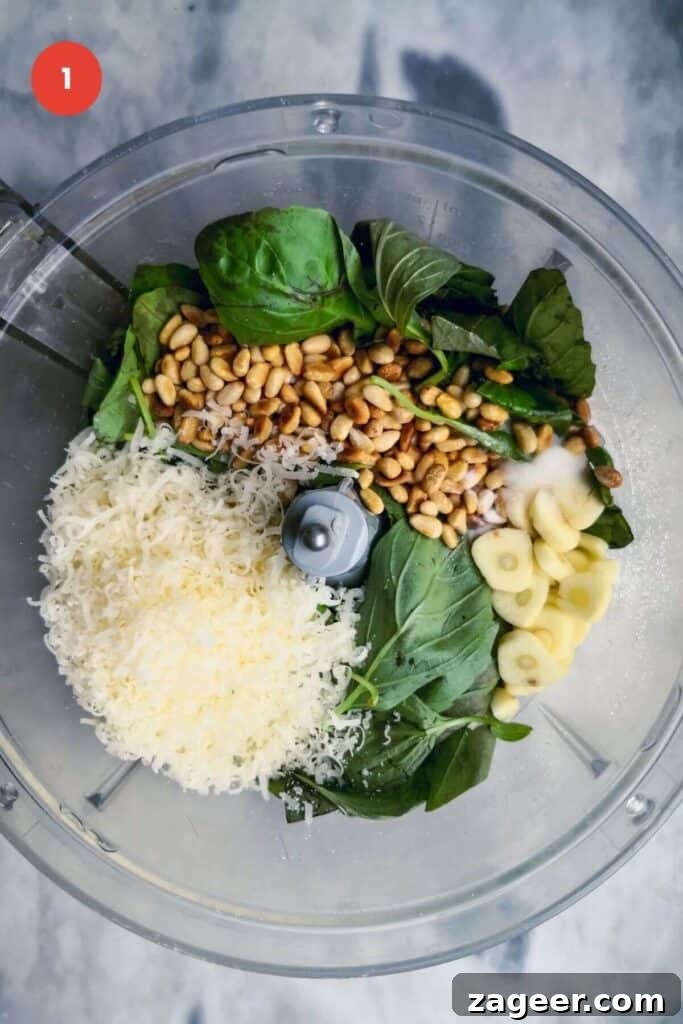
1. Prepare Your Ingredients and Assemble: Begin by toasting your chosen nuts or seeds in a dry pan over low heat for 2-3 minutes until golden and fragrant. Remove them from the pan immediately to prevent burning. Next, add the toasted nuts, fresh basil leaves, grated Parmesan cheese (or chunks), peeled garlic cloves, fresh lemon juice, and salt into the bowl of your food processor. Ensure all dry ingredients are in first.
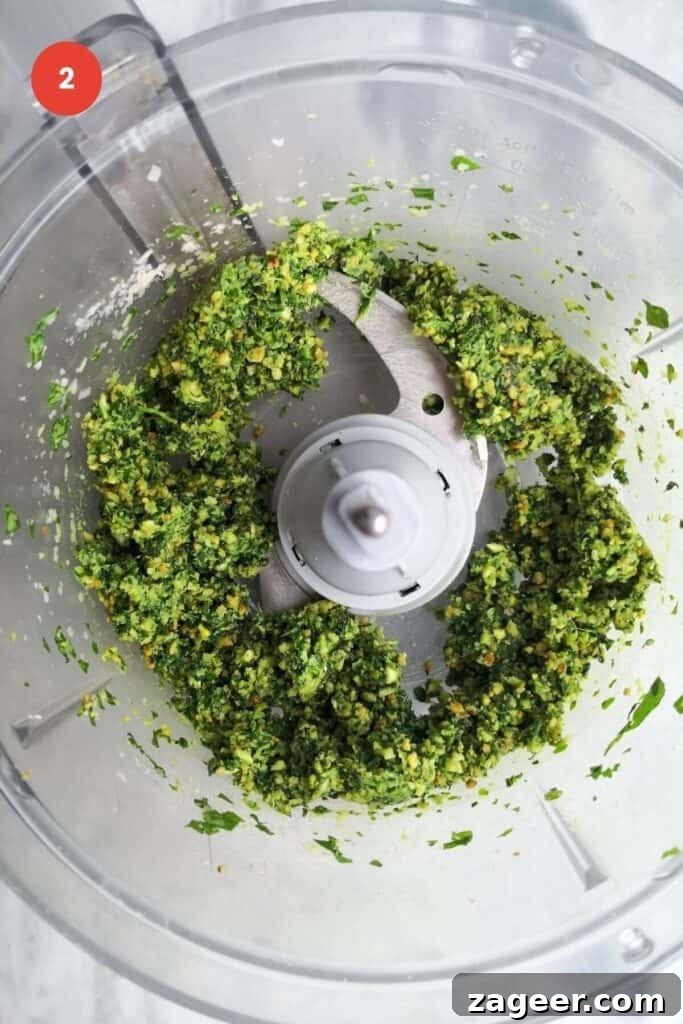
2. Initial Blitz to Form a Paste: Secure the lid on your food processor and blitz the ingredients for about one minute. You’re aiming for a coarse, chunky paste where everything is broken down but not yet smooth. Stop and scrape down the sides of the bowl with a spatula to ensure all ingredients are evenly processed and no large chunks remain stuck to the sides.
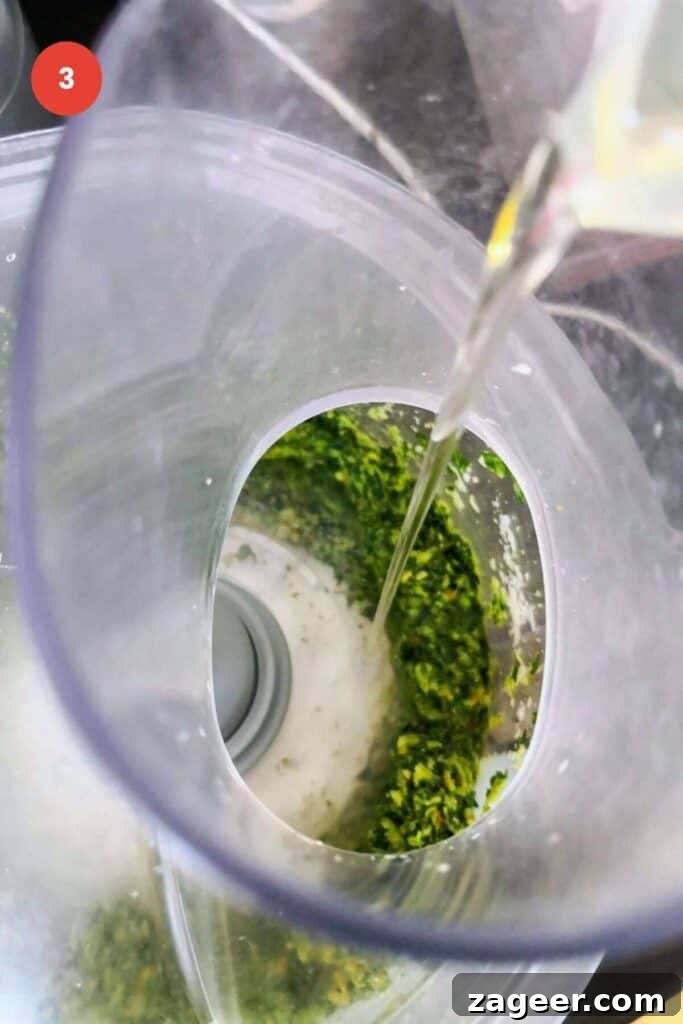
3. Gradually Add Olive Oil for Emulsification: This step is crucial for achieving a smooth, cohesive pesto. With the food processor motor running on low, slowly and steadily pour in the extra virgin olive oil through the feed tube. This gradual addition allows the oil to emulsify with the other ingredients, creating a creamy, stable sauce that won’t separate. Continue blending until the pesto reaches your desired consistency – smooth or slightly rustic, depending on your preference. Scrape down the sides once more and give it a final quick blitz.
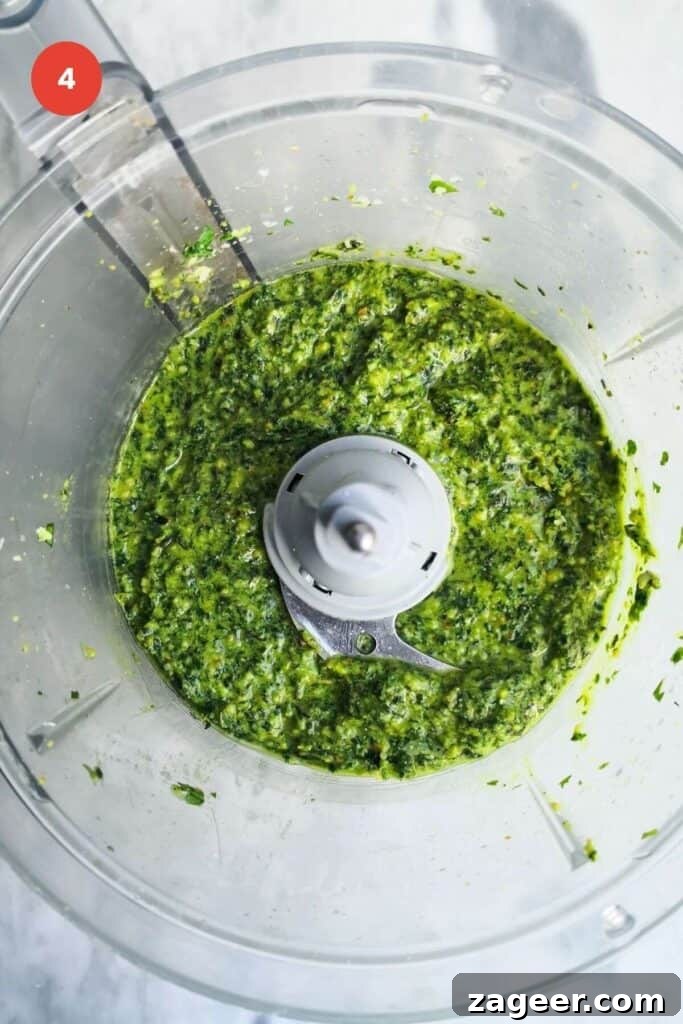
4. Taste, Adjust, and Store: Your beautiful, fresh basil pesto is now ready! Taste it and adjust seasoning if necessary – you might want a little more salt or a squeeze of lemon. Use a silicone spatula to scrape out every last bit of the pesto from the food processor bowl and transfer it into an airtight storage container or jar. Follow the tips below to keep its vibrant green color.
Preserving the Vibrancy: Keeping Your Basil Pesto Bright Green
One of the most appealing aspects of fresh basil pesto is its stunning green hue. However, basil can quickly oxidize and turn brown when exposed to air. Don’t worry, a few simple techniques can help you preserve that glorious, vibrant green color, making your pesto as visually appealing as it is delicious:
- The Olive Oil Barrier Method: This is a classic and highly effective technique. Once you’ve transferred your freshly made pesto into its storage container, gently pour a thin layer of extra virgin olive oil over the top. This creates a protective seal, preventing the basil from coming into contact with air and thus slowing down the oxidation process that causes discoloration. The oil will solidify slightly in the fridge, forming a perfect barrier.
- The Plastic Wrap Direct Contact Method: Another excellent way to minimize air exposure is by using plastic wrap. After spooning your pesto into a container, take a piece of plastic wrap and press it directly onto the surface of the pesto, ensuring there are no air bubbles trapped between the pesto and the wrap. Then, secure the container with its lid. This dual protection offers superior color retention.
- Freezing for Long-Term Freshness: Pesto freezes exceptionally well, making it perfect for meal prep or preserving a bountiful basil harvest. The best strategy for freezing is to portion it out. Pour the pesto into ice cube trays for convenient, single-use servings. Once the cubes are completely frozen (typically a few hours), pop them out and transfer them into a freezer-safe ziplock bag or airtight container. Label with the date. Frozen pesto will retain its brilliant color and intense flavor for several months, ready to be added directly to hot pasta, soups, or sauces without thawing.
I personally often use the plastic wrap method for pesto I plan to use within a few days and freeze any larger batches or excess in ice cube trays. This ensures I always have fresh, flavorful pesto on hand for quick and easy culinary adventures.
Frequently Asked Questions About Basil Pesto
Homemade basil pesto will maintain its freshness and flavor for up to one week when stored correctly in an airtight container in the refrigerator. To preserve its vibrant green color and prevent browning, always remember to either pour a thin layer of olive oil over the surface of the pesto or press a piece of plastic wrap directly onto the surface before sealing the container. These methods significantly reduce air exposure.
Absolutely! While pine nuts are traditional, you can easily substitute them with other nuts or seeds for a delicious and often more economical alternative. Excellent choices include cashews (for creaminess), walnuts (for a slightly earthier flavor), almonds, sunflower seeds, or pumpkin seeds. For the best flavor, I highly recommend toasting your chosen nuts or seeds in a dry pan for a couple of minutes until they are fragrant and lightly golden. This simple step truly enhances their nutty depth, but be sure to watch them closely as they can burn quickly.
Yes, pesto freezes wonderfully, making it perfect for long-term storage and convenient meal prep. My preferred method is to portion it into ice cube trays. Once the pesto cubes are solid, transfer them to a freezer-safe ziplock bag or an airtight container. Frozen pesto retains its color and incredible flavor for several months. These pre-portioned cubes are incredibly convenient – you can simply drop them into hot pasta, soups, stews, or sauces straight from the freezer, allowing them to melt and release their fresh flavor.
Pesto is an incredibly versatile staple in my kitchen, and its uses are nearly limitless! Here are some of my favorite ways to incorporate it into meals, offering both quick fixes and impressive dishes:
- Create the most delectable, Caprese-style orzo pesto pasta salad, perfect for picnics or light lunches.
- Transform traditional potato salad by swapping mayonnaise for pesto in this fresh and zingy pesto potato salad, enhanced with crispy prosciutto and creamy burrata.
- Simply toss it through your favorite pasta for an incredibly quick, flavorful, and satisfying weeknight meal.
- Dollop it generously on top of your pizza after baking. It’s fantastic with homemade Greek yogurt pizza dough or adds a fresh kick to this spicy Hawaiian pizza.
- Use it as a vibrant topper for creamy dips like creamy labneh, super smooth hummus, or a whipped spicy cottage cheese dip.
- Make elegant little party crostini by spreading pesto, adding a slice of prosciutto, and topping with fresh tomato (similar to these cheesy crusted roasted tomato crostini).
- Mix it through a pile of freshly roasted vegetables to create a flavorful and healthy side dish.
- Drizzle it over grilled or roasted meats to add a burst of zingy freshness – it’s wonderful with juicy lamb koftas, miso grilled chicken, sticky honey harissa grilled chicken, or this lovely herb roasted chicken.
Not at all! While a food processor is my preferred tool for its speed and ability to achieve a consistently smooth, evenly blended pesto, you have other options. You can use a blender, though you might find you need to add a little extra olive oil to help the blades process the ingredients effectively. Alternatively, for a truly traditional and rustic approach, a pestle and mortar works beautifully. This method requires more elbow grease and time, but it yields a uniquely chunky texture and deep flavor that many pesto aficionados adore. The choice depends on your desired texture and the tools available in your kitchen.
Explore More Quick & Easy Sauce Recipes
If you’ve enjoyed making this simple basil pesto, you’ll love exploring other homemade sauces that can effortlessly elevate your cooking. Here are a few more quick and easy recipes to inspire your next culinary creation:
If you try this delightful basil pesto recipe, I would be absolutely thrilled to hear about your experience! Please feel free to leave a recipe rating and a comment below to share your thoughts. And don’t forget to tag @DishedByKate on Instagram, Facebook, and TikTok if you’ve made one of my recipes. Seeing your delicious recreations truly brightens my day!

10 Minute Basil Pesto (Better than Store-Bought)
No reviews yet.
- Author: Kate Phillips
- Total Time: 10 minutes
- Yield: 1 cup
- Diet: Vegetarian
Description
Fresh, vibrant, full of flavor, this easy basil pesto comes together in just 10 minutes – and it’s so much better than anything from a jar. With a handful of simple ingredients and a food processor, you’ll have a bright, herby sauce perfect for pasta, salads, sandwiches, roasted veggies, or grilled meat.
Ingredients
- 1/3 cup (40g) pine nuts (or cashews, almonds, pistachios, sunflower seeds, or pumpkin seeds)
- 2 cups (about 60g) tightly packed fresh basil leaves
- 1/2 cup (50g) freshly grated Parmesan cheese (or slice your cheese into chunks if you prefer)
- 3 garlic cloves
- 1 tablespoon fresh lemon juice
- 1/2 teaspoon salt
- 1/2 cup extra virgin olive oil
You’ll also need a food processor or a blender for this recipe.
Instructions
- Toast your nuts (or seeds). Add ⅓ cup of pine nuts (or alternative) to a small dry frying pan. Set it over low heat and toss for 2 to 3 minutes, until they’re golden and fragrant. Remove the nuts from the pan to cool slightly.
- Add the ingredients to a food processor. Add the toasted nuts to the bowl of your food processor, along with 2 cups of basil leaves, ½ cup of Parmesan cheese, 3 garlic cloves, 1 tablespoon of lemon juice, and ½ teaspoon salt. Blitz for about a minute, until a chunky paste forms. Scrape down the sides of the bowl to make sure everything is evenly blended.
- Add the olive oil. With the motor running, slowly pour in ½ cup of olive oil through the feed tube. Adding it like this helps the pesto emulsify into a smooth, creamy sauce without the oil separating. Scrape down the bowl again and give it one last blitz to combine everything thoroughly.
- Finish and store. Use a silicone spatula to scrape all the pesto out of the bowl and into a storage container or jar. To preserve the lovely green color, either pour a thin layer of olive oil on top of the pesto or press a piece of plastic wrap directly onto the surface, then securely seal your container.
Notes
USING A BLENDER? You might find you need to add a little more olive oil to get the blades moving smoothly, as blenders can be less efficient with thicker mixtures. If your blender doesn’t have the option to pour in ingredients mid-blitz, you can add all the olive oil at the same time as the rest of the ingredients at the start.
INGREDIENT NOTES: If pine nuts are unavailable or you prefer an alternative, you can successfully use cashews, walnuts, almonds, sunflower seeds, or pumpkin seeds. Remember to toast them lightly for enhanced flavor!
STORAGE INSTRUCTIONS: This homemade pesto will keep beautifully for up to one week when stored in an airtight container in the fridge. For longer preservation, pesto is excellent for freezing. I recommend pouring it into ice cube trays, then freezing until solid. Once frozen, transfer the pesto cubes to a ziplock bag or a freezer-safe container. They will maintain their vibrant color and robust flavor for several months, and can be used directly from frozen in most recipes.
TROUBLESHOOTING:
- Too thick? If your pesto is thicker than desired, simply add a little more extra virgin olive oil, or even a tablespoon of water, and continue to blitz until it reaches your preferred consistency.
- Too thin? To thicken a runny pesto, you can add another tablespoon or so of toasted nuts (or seeds) or a little more freshly grated Parmesan cheese and blend again until it reaches the desired texture.
- Prep Time: 10 minutes
- Category: sauces
- Method: food processor
- Cuisine: mediterranean
Nutrition
- Serving Size: 20g
- Calories: 137
- Sugar: 0.3g
- Sodium: 249mg
- Fat: 13.5g
- Saturated Fat: 3g
- Unsaturated Fat: 10g
- Carbohydrates: 1.2g
- Fiber: 0.2g
- Protein: 4.1g
- Cholesterol: 6mg