
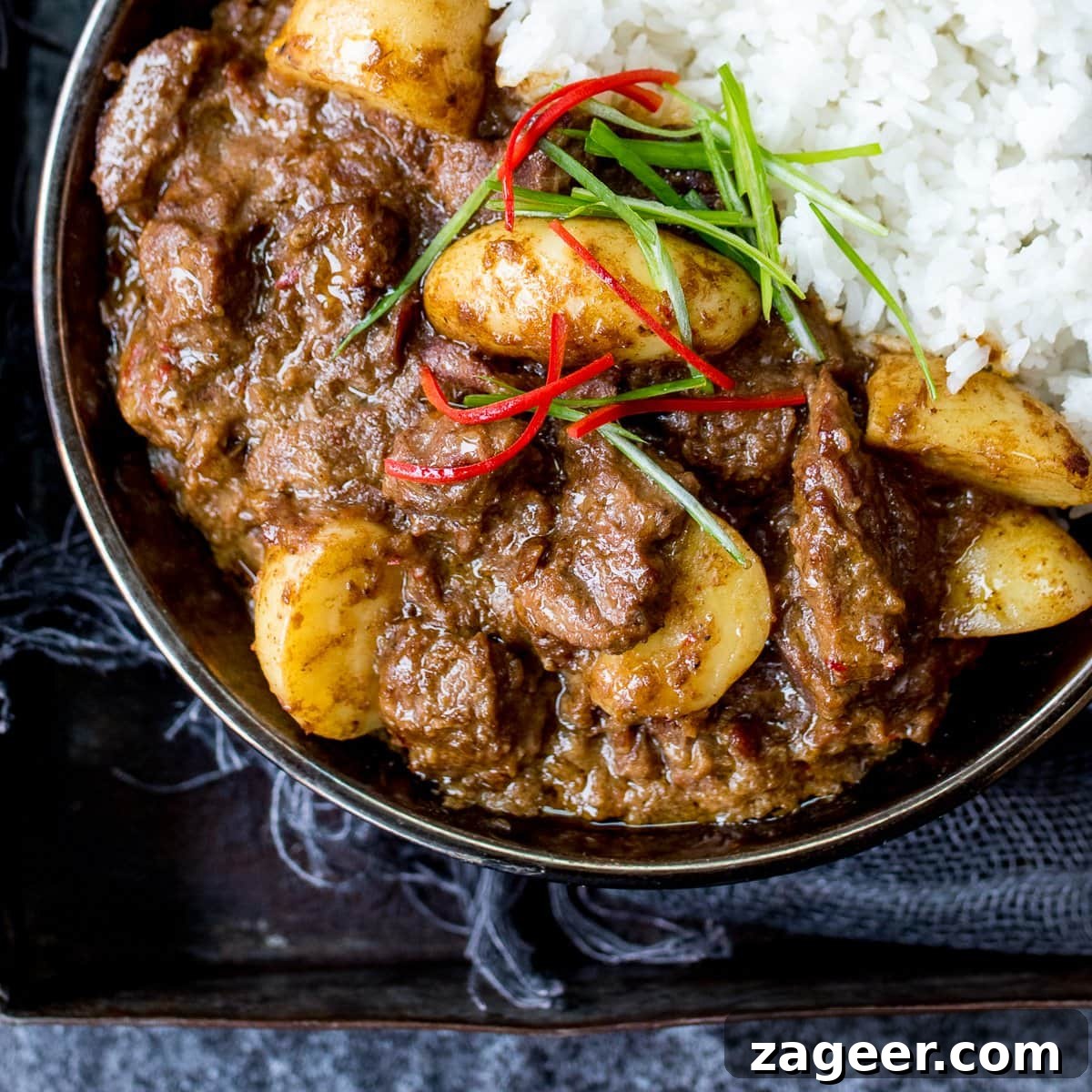
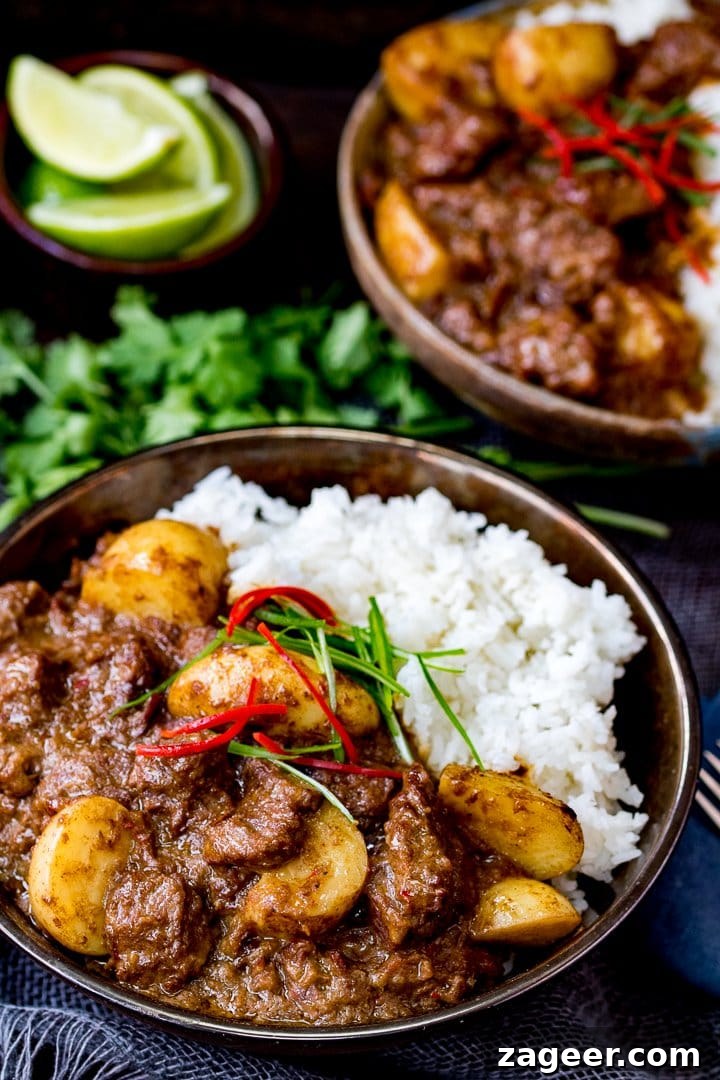
Experience the sheer delight of a rich, fall-apart slow-cooked beef Massaman curry, bathed in a spicy homemade sauce and studded with tender new potatoes.
This Massaman Curry isn’t just a meal; it’s the epitome of comfort food! Its hearty nature makes it ideal for batch cooking – prepare a larger portion and freeze some for those hectic weeknights.
Beyond the recipe, I’m excited to share my expert tips on crafting an authentic homemade Massaman curry paste, complete with a video that guides you step by step through the entire process, ensuring perfect results every time.
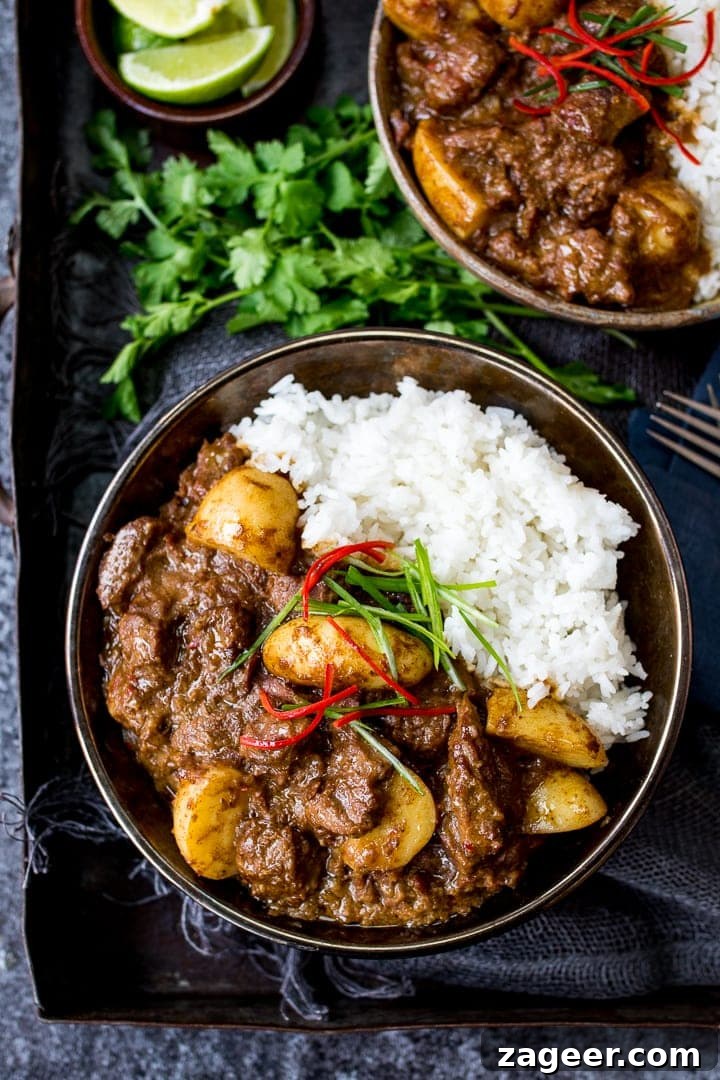
Ultimate Slow Cooked Beef Massaman Curry: A Journey of Authentic Thai Flavors
If you were to be cast away on a desert island, with the luxury of choosing only one type of food to sustain you for the remainder of your days, what culinary treasure would you pick? While the allure of chocolate is a powerful contender, fulfilling a singular sweet tooth, it lacks the multifaceted satisfaction that a truly great cuisine offers. For me, without a shadow of a doubt, my unwavering choice would be Thai food.
Thai cuisine masterfully weaves together an intricate tapestry of sweet, spicy, zesty, and creamy flavors, creating combinations that are as endless as they are captivating. While I cherish a quick and vibrant Thai green chicken curry for a swift midweek meal, there’s a profound magic in a curry that has been lovingly slow-cooked. Imagine succulent, juicy chunks of beef that have been braised to perfection, effortlessly falling apart with the gentlest touch, all nestled within the most flavorful, rich sauce alongside tender, creamy potatoes. This isn’t merely a meal; it’s an immersive experience, a symphony of textures and tastes that transcends the everyday. This Slow Cooked Beef Massaman Curry promises exactly that — an unforgettable culinary journey.
Unveiling Massaman Curry: A Rich Tapestry of Thai-Indian Heritage
Massaman curry stands as a truly unique jewel within the diverse crown of Thai cuisine, distinguishing itself with a flavor profile that is both profoundly rich and aromatically complex, yet surprisingly mild in heat compared to other regional curries. Its origins tell a fascinating tale of culinary exchange, deeply influenced by Persian and Indian spices brought to Thailand through trade centuries ago. This rich history is evident in its signature spice blend, which beautifully marries traditional Thai aromatics with warmer, more earthy notes.
At its heart, Massaman paste incorporates an array of whole spices, including fragrant cardamom, warming cinnamon, pungent cloves, delicate nutmeg, and distinctive star anise, alongside the vibrant staples of Thai cooking like fresh lemongrass, garlic, ginger (often as a substitute for galangal), and chilies. The result is a curry that offers layers of flavor – a harmonious balance of sweet, tangy, savory, and subtly spicy notes, all underpinned by an incredible aromatic depth. This blend creates an almost stew-like quality, where the slow cooking is essential to allow these complex flavors to meld and mature.
A quintessential Massaman curry features tender cuts of meat, most typically beef or lamb, slow-cooked until incredibly soft. These are traditionally accompanied by hearty new potatoes, which absorb the luxurious coconut milk-based sauce, becoming infused with every nuance of flavor. The creamy richness of the coconut milk balances the intricate spice blend, creating a comforting and deeply satisfying dish that has captivated palates worldwide. Indeed, Massaman has consistently been lauded as one of the world’s most delicious dishes. In addition to this exquisite beef version, I frequently prepare a delightful Slow Cooked Lamb Massaman Curry, and even a whole chicken variation that I’m eager to share with you as soon as possible.
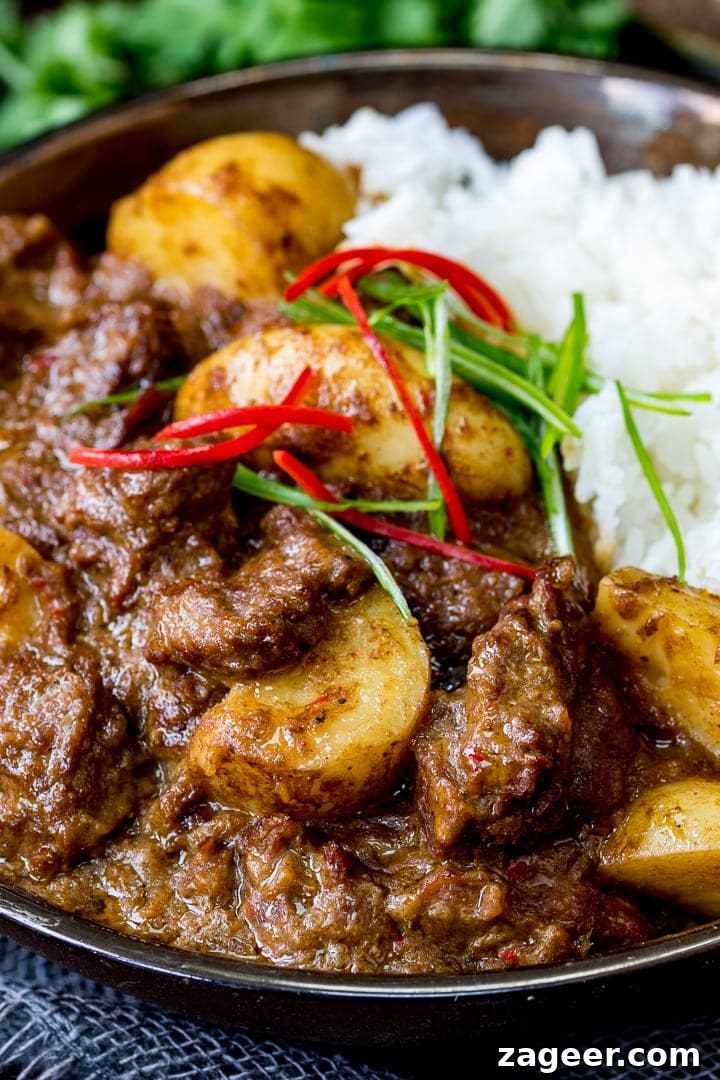
Mastering the Art of Slow Cooked Beef Massaman Curry: Your Detailed Guide
Embarking on the creation of this deeply flavorful Massaman curry is a rewarding culinary adventure, and while the result is undoubtedly impressive, the process itself is surprisingly approachable. The secret to its unparalleled taste lies in a homemade Massaman paste, which, combined with slow cooking, transforms simple ingredients into an extraordinary meal. Below, you’ll find a comprehensive step-by-step guide, complemented by the full recipe card and a detailed video tutorial.
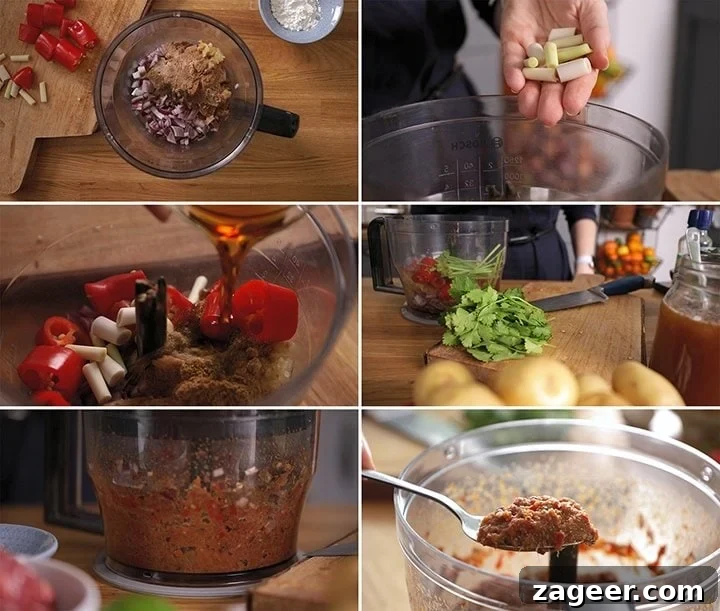
1. Crafting the Heart of the Curry: The Homemade Massaman Paste
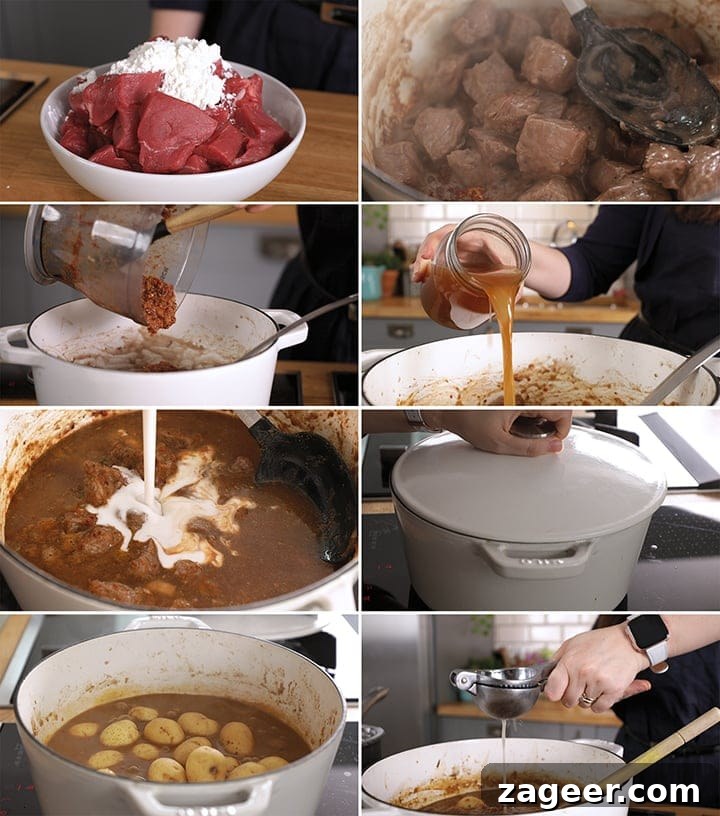
The journey to an exceptional Massaman curry begins with its vibrant, aromatic paste. While convenient store-bought options exist, dedicating a few minutes to making your own paste from scratch unlocks an unmatched freshness and depth of flavor that truly elevates the dish. To prepare this aromatic foundation, gather your essential ingredients: a chopped red onion, fresh mild red chillies (adjusting the quantity to suit your preferred heat level – Fresno chilies are a great choice), fragrant ground coriander and cumin, a hint of warm ground cinnamon and white pepper, peeled garlic cloves, tender inner parts of lemongrass stalks (finely chopped, or use lemongrass paste for convenience), and minced ginger. For an authentic touch of umami, incorporate a small amount of shrimp paste (ensure it’s gluten-free if needed) and fish sauce (also check for gluten-free brands). Balance these intense flavors with a touch of brown sugar and salt. Don’t discard the coriander (cilantro) stalks – they contribute significantly to the paste’s aroma; simply reserve the leaves for a fresh garnish later. Combine all these ingredients in a food processor or a mini chopper and blitz until a smooth, fragrant paste forms. This paste is truly the soul of your Massaman curry.
2. Building the Foundation: Searing and Flavor Infusion
With your paste ready, the next crucial step is to prepare the beef. Select a cut like braising beef or beef chuck, known for its ability to become incredibly tender when slow-cooked. Cut the beef into generous chunks, then toss them in cornflour (cornstarch) seasoned with salt and freshly ground black pepper. This coating helps achieve a beautiful, savory crust during searing and also contributes to the sauce’s luscious thickness later on. Heat a couple of tablespoons of vegetable oil in a large, heavy-bottomed casserole pan or a Dutch oven over a medium-high flame. Carefully add the seasoned beef, ensuring not to overcrowd the pan, which can lead to steaming rather than browning. Sear the beef thoroughly on all sides, allowing a rich, dark crust to form – this caramelization is key to developing deep flavors. Resist the urge to stir constantly; letting the beef sit undisturbed for a few minutes before flipping will yield the best results. Don’t worry if some bits stick to the bottom; these are precious “fond” that will contribute immense flavor to your sauce. Once the beef is beautifully browned, reduce the heat to medium-low and add your freshly prepared Massaman paste. Stir the paste into the beef, ensuring every piece is coated, and allow it to cook gently for about two minutes. This step helps to toast the spices, releasing their full aromatic potential and deepening their flavor.
3. The Slow Dance of Flavors: Simmering to Perfection
Now, it’s time to introduce the liquids that will transform your ingredients into a rich curry. Pour in the beef stock and the creamy coconut milk. Using a spatula, make sure to scrape up any browned bits (fond) from the bottom of the pan and stir everything together until well combined. Bring the mixture to a gentle boil, then immediately reduce the heat to its lowest setting, cover the pan tightly with a lid, and let it simmer slowly for approximately 1 hour and 45 minutes. This extended simmering period is where the magic of slow cooking truly happens: the beef, whether chuck or braising steak, will gradually break down, becoming incredibly tender and succulent, practically melting in your mouth. The flavors from the paste, stock, and coconut milk will marry and intensify, creating a complex and harmonious sauce. For an alternative cooking method, you can also transfer the covered pan to a preheated oven at 160°C/320°F (fan) for the same duration. Remember to give the curry a gentle stir every so often to prevent sticking and ensure even cooking. If you notice the sauce becoming too thick or drying out, feel free to add a little extra beef stock or water.
4. Finishing Touches: Tender Potatoes and Zesty Lime
After the initial simmering period, when the beef is wonderfully tender, it’s time to incorporate the potatoes. Add 500g (1.1 lbs) of baby new potatoes to the curry. If you’re using larger potatoes, simply slice them in half to ensure even cooking. Give the pot another good stir. This time, leave the lid off the pan and continue cooking for an additional 25 to 30 minutes, or until the potatoes are perfectly tender when pierced with a fork and the curry sauce has thickened to a rich, luscious consistency. The open-lid simmering helps reduce the sauce, concentrating its flavors and achieving that ideal gravy-like texture. This stage is also the perfect moment to start cooking your accompanying rice, ensuring everything is ready to serve simultaneously. Finally, remove the curry from the heat and stir in the fresh juice of one lime. This final touch of acidity is vital; it brightens the entire dish, cutting through the richness of the coconut milk and beef, and perfectly balancing the complex spice profile. Serve your magnificent Massaman curry immediately, garnished as desired.
Pro Tips & Delicious Variations for Your Massaman Curry
Homemade vs. Shop-Bought Paste: The Convenience Factor
While the unparalleled freshness and depth of flavor from a homemade Massaman curry paste are highly recommended, I fully understand that sometimes time constraints call for convenience. High-quality, shop-bought Massaman curry pastes can certainly deliver excellent results. If you choose this option, a crucial tip is to adjust the quantity. Commercial pastes are typically much more concentrated than their homemade counterparts. For this recipe, I suggest starting with about 4 tablespoons of shop-bought paste, tasting the sauce, and adding more if you prefer a stronger flavor. Always check the ingredients label, especially if you require a gluten-free option, as formulations can vary significantly between brands.
Customizing the Heat Level for Every Palate
One of the great advantages of home cooking is the freedom to customize flavors to your liking. If you are preparing this Massaman curry for children or individuals who prefer milder dishes, you can easily adjust the spice level. Simply omit the fresh chilies when you are making the homemade paste. For those who enjoy a fiery kick, you can always chop some fresh red chilies and offer them as a garnish alongside the curry, allowing each person to add heat to their individual serving. While this method doesn’t infuse the deep, slow-burning heat throughout the sauce, it’s a practical and effective compromise that avoids the need to prepare two separate pots of curry.
Perfect Accompaniments to Complete Your Meal
A rich and aromatic curry like this Slow Cooked Beef Massaman deserves complementary sides that enhance its flavors. Steamed boiled rice is the quintessential choice; its neutral flavor and fluffy texture perfectly absorb every drop of the incredible sauce. For an extra layer of indulgence and texture, consider serving it with some soft, warm flatbreads. Fluffy homemade chapatis or store-bought naan bread make wonderful scooping tools, ensuring not a single drop of that delicious sauce goes to waste. It’s a truly satisfying feast for those who appreciate the trifecta of potatoes, rice, and bread alongside their curry!
More Delicious Curry Recipes to Explore
- Chicken Madras Recipe — A fiery and flavorful Indian classic that’s an absolute winner!
- The universally loved family favorite: Chicken Tikka Masala.
- A unique and comforting twist: Chinese Style Curry with Juicy Meatballs.
- For an intensely rich and aromatic experience: Spicy Beef Rendang.
- Effortless and incredibly creamy: Crock Pot Butter Chicken Recipe.
- A lighter, yet equally flavorful option: Healthier Slow Cooked Spicy Chicken Rogan Josh.
- A fresh and vibrant classic: Thai Green Chicken Curry Recipe.
- Pairing perfectly with homemade rice: Chicken Jalfrezi with Homemade Pilau Rice.
- And for another beloved Massaman variation, try my equally delicious Lamb Massaman Curry too!
Watch the Recipe Video
Stay updated with our latest recipes!
Subscribe to our newsletter to receive notifications when a new recipe is published. You can also find me on YouTube (featuring new videos every week) and Instagram (for behind-the-scenes stories and stunning food photography).
Rating: 4.83 from 47 votes
Beef Massaman Curry Recipe
By Nicky Corbishley
A rich, slow-cooked beef Massaman curry featuring fall-apart tender beef, a spicy homemade sauce, and creamy new potatoes. The ultimate comfort food!
Prep Time: 15 mins
Cook Time: 2 hrs 30 mins
Total Time: 2 hrs 45 mins
Servings: 6 people
Course: Dinner
Cuisine: Asian, Thai
Ingredients
Massaman Paste – makes about 6 tbsp:
- 1 chopped red onion
- 3 mild red chillies roughly chopped (or use fewer chillies, depending on how hot you like it) – I use Fresno chillies
- 2 tsp ground coriander
- 2 tsp cumin
- ½ tsp ground cinnamon
- ½ tsp white pepper
- 3 cloves garlic peeled
- 2 sticks of lemongrass outer leaves removed, softer inside chopped finely (or replace with 2 tsp lemongrass paste)
- 1 tsp minced ginger
- 1 tsp shrimp paste optional (generally gluten-free, but best to check)
- 3 tsp fish sauce (make sure it’s a gluten-free brand if needed)
- 1 tsp brown sugar
- small bunch fresh coriander/cilantro stalks (you’ll be using the leaves later to serve, so just wrap them in a bit of damp tissue to keep them fresh)
- ½ tsp salt
Other curry ingredients:
- 2 tbsp vegetable oil
- 1.5 tbsp cornflour (cornstarch)
- 1 kg (2.2 lbs) braising beef (beef chuck) chopped into chunks
- ¼ tsp salt
- ¼ tsp freshly ground black pepper
- 400 ml (1 2/3 cups) beef stock (2 stock cubes with water is fine, use Kallo beef bouillon cubes for gluten-free options)
- 400 g (14 oz) can coconut milk (usually gluten-free, but double check)
- 500 g (1.1 lbs) baby new potatoes (slice any bigger ones in half)
- juice of 1 lime
To Serve:
- boiled rice
- chopped fresh coriander (cilantro)
- chopped red chillies
- lime wedges
Instructions
- Prepare the Massaman Paste: Place all the paste ingredients (red onion, mild red chillies, ground coriander, cumin, ground cinnamon, white pepper, garlic, lemongrass, minced ginger, shrimp paste, fish sauce, brown sugar, fresh coriander/cilantro stalks, and salt) into a food processor or mini chopper. Blend until a smooth, aromatic paste forms. Set this paste aside.
- Sear the Beef: Heat the vegetable oil in a large, heavy-bottomed pan or Dutch oven over medium-high heat. In a separate bowl, toss the chopped braising beef with the cornflour, ¼ tsp salt, and ¼ tsp freshly ground black pepper until the beef chunks are evenly coated.
- Brown the Beef: Fry the seasoned beef in the hot oil for about 5 minutes. Cook in batches if necessary to avoid overcrowding the pan, allowing the meat to develop a nice, dark brown crust. Avoid stirring too frequently during this stage. Gently scrape any browned bits from the bottom of the pan as you go.
- Infuse with Paste: Once the beef is well browned, reduce the heat slightly and add the prepared Massaman spice paste to the pan. Stir thoroughly to coat all the beef chunks and let it cook for about 2 minutes, allowing the spices to toast and become fragrant.
- Slow Simmer the Curry: Pour in the beef stock and coconut milk. Stir everything together, ensuring to scrape up any flavorful bits that might have stuck to the bottom of the pan. Bring the mixture to a gentle boil, then reduce the heat to low, cover the pan with a lid, and gently simmer for 1 hour and 45 minutes. Alternatively, you can place the covered pot in an oven preheated to 160°C/320°F (fan) for the same duration. Stir occasionally, and if the sauce appears to be drying out, add a small amount of extra beef stock or water.
- Add Potatoes and Thicken: After 1 hour and 45 minutes, add the baby new potatoes (halve any larger ones) to the curry. Stir well, then remove the lid from the pan. Continue to cook for a further 25–30 minutes, or until the potatoes are tender when pierced with a fork and the sauce has thickened to a rich, desired consistency. This is also a good time to begin cooking your rice.
- Final Seasoning and Serve: Remove the curry from the heat (or oven) and stir in the fresh juice of one lime. Serve your Slow Cooked Beef Massaman Curry immediately on a bed of fluffy boiled rice, garnished with a sprinkle of fresh chopped coriander (cilantro), fresh chopped red chillies (if desired for extra heat), and a lime wedge for a final zesty squeeze.
Notes
Best cut of beef to use
- Chuck steak (braising steak) – This cut comes from the forequarter, encompassing parts of the neck, shoulder blade, and upper arm. It’s inherently a tough cut but boasts incredible flavor. Its high content of connective tissue requires a long, slow cooking process to break down, resulting in wonderfully tender, melt-in-your-mouth beef. You can cut it into traditional bite-size chunks or use larger pieces and shred the beef into strips after cooking for a different presentation.
- Silverside (bottom round) – Sourced from the hindquarter, just above the back leg, silverside is a leaner and typically more inexpensive cut of meat with minimal marbling. Due to its lower fat content, it doesn’t possess the same inherent richness as chuck steak. Therefore, when using silverside, it’s crucial to use a good quality beef stock (in addition to the coconut milk) to enhance its flavor. It responds well to slow cooking, but adequate moisture is essential throughout the cooking process to prevent it from drying out and becoming tough.
What type of potatoes to use?
I find baby new potatoes ideal for this curry due to their convenient size and delightful texture. However, you can also opt for fingerlings or larger potato varieties. The key is to choose a waxy potato, as these types maintain their shape beautifully during extended cooking without disintegrating into the sauce. Excellent choices include Charlotte, Jersey Royals, and Yukon Gold. Simply wash them thoroughly and chop any larger potatoes into substantial chunks; there’s no need to peel them.
FAQ’s
Can I make it Gluten-Free?
Yes, absolutely! To ensure your Massaman curry is completely gluten-free, meticulous attention to ingredient selection is paramount. Specifically, make sure you use certified gluten-free stock cubes (Kallo Gluten-free beef bouillon cubes are a highly recommended option). Additionally, it’s essential to double-check that your chosen brands of fish sauce, shrimp paste, and coconut milk are explicitly labeled as gluten-free, as ingredients can vary widely.
Can I freeze the curry?
Yes, this Beef Massaman curry is very freezer-friendly! Any leftover portions can be cooled completely, transferred into an airtight container, and frozen for up to 3 months. To enjoy, simply defrost the curry overnight in the refrigerator. Reheat gently in a pan on the stovetop, stirring often, or in the microwave until it is thoroughly heated and piping hot all the way through.
Can I store the homemade Massaman Paste?
Indeed. If you have any homemade Massaman paste left over, it can be stored in an airtight container in the refrigerator for approximately one week. This makes it a convenient option for preparing another curry with minimal effort during the week.
Can I use a shop-bought paste instead of making my own?
Certainly. While making your own paste offers superior freshness and flavor, a good quality shop-bought Massaman paste serves as an excellent shortcut. Be mindful that commercial pastes are typically more concentrated than homemade versions. I recommend starting with about 4 tablespoons of shop-bought paste, tasting the curry, and adding more if you desire a stronger flavor. As with all ingredients, if gluten-free is a requirement, always verify the brand.
Can I cook it in the slow cooker?
Yes, this recipe is wonderfully adaptable to a slow cooker. Start by searing the coated beef in a separate pan, then add the spice paste, coconut milk, and stock as directed in the stovetop instructions. Once briefly combined and heated, transfer the entire mixture to your slow cooker. I recommend cooking it for approximately 4 hours on high or 6-7 hours on low. Regarding the potatoes, you have two options: add them at the very beginning of the slow cooking cycle if you prefer them very soft and integrated into the sauce, or halfway through the cooking time for a slightly firmer texture. A key consideration for slow cooking is liquid reduction: cooking in the oven or on the stovetop typically results in more sauce reduction. Therefore, when using a slow cooker, you might consider reducing the initial amount of beef stock by about 180-200ml (approximately ¾ cup) to achieve a similar thickness. It’s always a good idea to monitor the curry and add a splash more liquid if it appears to be drying out.
Nutritional information is per serving, not including rice.
Nutrition
Calories: 507kcal | Carbohydrates: 24g | Protein: 43g | Fat: 27g | Saturated Fat: 19g | Cholesterol: 113mg | Sodium: 799mg | Fiber: 3g | Sugar: 4g
Nutrition information is automatically calculated and should only be used as an approximation. Actual values may vary.
Essential Equipment for Crafting Your Massaman Curry
To successfully prepare this delicious and comforting Massaman Curry, having the right kitchen equipment can make the process smoother and more enjoyable:
- A high-quality Kitchen knife is indispensable for efficient chopping and dicing of all your ingredients. I’ve recently invested in this Dalstrong one and highly recommend it.
- A sturdy and clean Chopping Board is essential for safe food preparation and protecting your countertops.
- A Mini Chopper or a full-sized food processor will be invaluable for effortlessly blending all the paste ingredients into a smooth consistency.
- An accurate Measuring Jug for precise liquid measurements.
- A robust Dutch Oven or a large, heavy-bottomed casserole pan is perfect for searing the beef and slowly simmering the curry.
- A reliable Juicer will ensure you get every last drop of fresh lime juice.
- A set of Measuring Spoons is crucial for accurately portioning out the various spices.
- A Garlic Press can save time and effort when preparing garlic cloves for the paste.
- Wooden or Silicon Coated Spoons are ideal for stirring, as they are gentle on your cookware and prevent scratching. We’ve recently purchased these and find them excellent.
- A Rice Steamer or a good saucepan for cooking perfectly fluffy rice to accompany your curry.
Some of the links in this post may be affiliate links – which means if you buy the product I get a small commission (at no extra cost to you). If you do buy, then thank you! That’s what helps us to keep Kitchen Sanctuary running. The nutritional information provided is approximate and can vary depending on several factors. For more information please see our Terms & Conditions.
This recipe was first published in May 2014. It was significantly updated in October 2019 with new photos, a video tutorial, and enhanced cook’s tips. Further revisions were made in June 2020 to provide more detailed information and for general housekeeping purposes.