
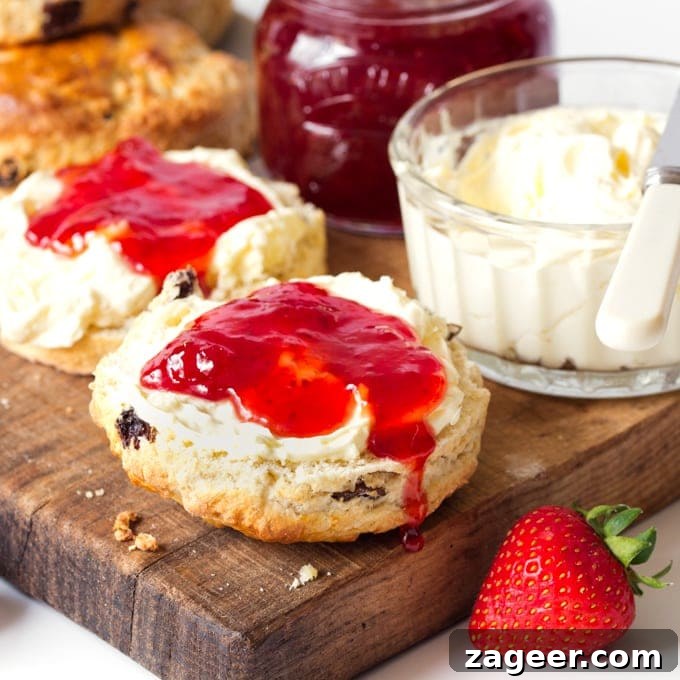
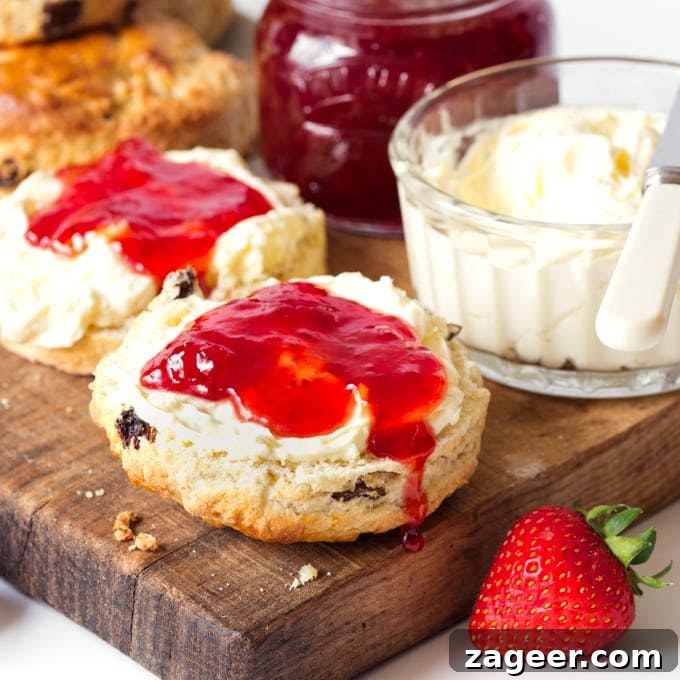
Spread these Fluffy Buttermilk Raisin Scones with clotted cream and strawberry jam for the best English cream tea.
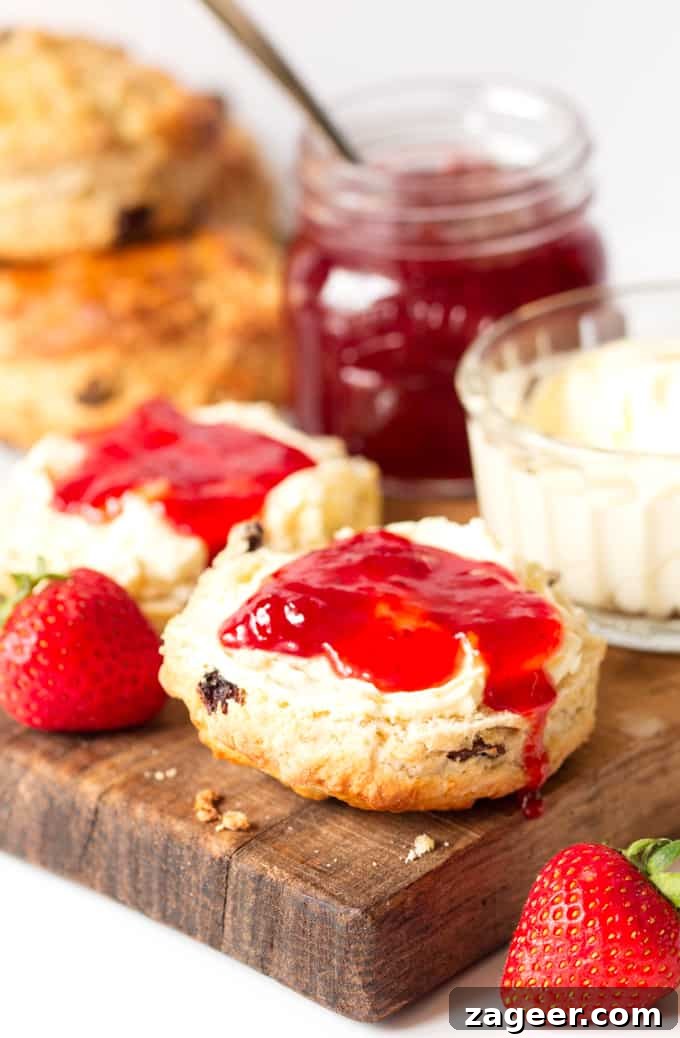
The Ultimate Fluffy Buttermilk Raisin Scones: Your Guide to a Perfect English Cream Tea
Welcome to a delightful journey into the heart of British baking with a recipe for truly exquisite Fluffy Buttermilk Raisin Scones. While my recent culinary adventures might have leaned heavily towards luscious strawberries, today, we’re shifting our focus to a timeless classic: my cherished scone recipe. These aren’t just any scones; they are the embodiment of airy lightness and tender perfection, generously dotted with sweet, plump raisins. Each bite promises a taste of tradition, making them the ideal accompaniment to a comforting cup of tea and an indispensable part of an authentic English cream tea experience.
This beloved recipe first came to life and was beautifully photographed for Craftberry Bush, Lucy Akin’s inspiring platform where I’m always delighted to share my culinary creations. Now, I’m thrilled to bring these wonderful treats directly to you, ensuring that the joy of homemade, perfectly baked scones is accessible to everyone. Join me as we explore the secrets to achieving that coveted fluffy texture, delve into the charming cultural nuances surrounding scones, and finally, bake a batch that will impress even the most discerning tea connoisseurs.
The Irresistible Charm of a Classic Scone
Scones hold a unique and cherished position in British culinary heritage, symbolizing warmth, hospitality, and the delightful ritual of afternoon tea. More than just a simple baked good, they represent a moment of pause, a chance to indulge in a comforting tradition that has been passed down through generations. A truly well-made scone, fresh from the oven, offers a sublime contrast of textures – a slightly crisp exterior giving way to an incredibly soft, tender interior. When paired with rich clotted cream and sweet fruit jam, it creates a symphony of flavors that is both luxurious and deeply satisfying.
Our fluffy buttermilk raisin scones elevate this experience further. The addition of buttermilk not only contributes to their remarkable lightness and impressive rise but also infuses them with a subtle tang that beautifully complements the sweetness of the raisins. This balance prevents the scones from being overly sweet, making them versatile enough to be enjoyed at any time of day. Baking them at home allows you to savor their warmth and freshness, filling your kitchen with an inviting aroma that is truly incomparable. Get ready to create not just a snack, but an experience.
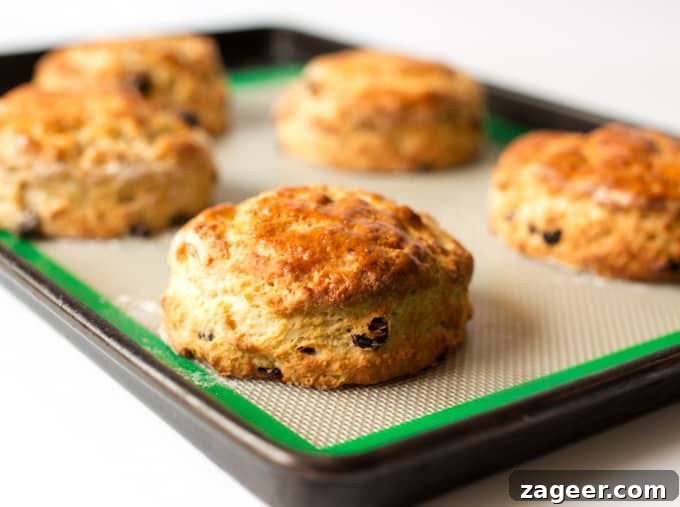
Achieving Scone Perfection: Essential Baking Techniques and Tips
The quest for the perfect fluffy scone can be an enjoyable one, and with a few straightforward techniques, you can ensure your homemade creations consistently turn out light, airy, and utterly delicious. These expert tips are key to unlocking the full potential of your scone dough and achieving that desirable tender crumb.
The Golden Rule: Keep Ingredients Cold
The foundation of truly flaky and well-risen scones lies in using very cold butter and handling it minimally. Just like in making pie crusts, tiny pieces of cold butter coated in flour create steam pockets when they melt during baking. This steam is what forces the dough upwards, resulting in a light and airy texture. Ensure your butter is diced and well-chilled, and work quickly to prevent it from becoming too warm. Similarly, cold buttermilk helps maintain the overall low temperature of the dough, further contributing to a superior rise.
Mastering the “Rubbing In” Method
The initial stage of mixing the dry ingredients with the cold butter is crucial. The traditional “rubbing in” method involves using your fingertips to gently rub the butter into the flour until the mixture resembles coarse breadcrumbs. The touch should be light and swift. Overworking the dough at this stage can develop the gluten too much, leading to tough scones, and also warms the butter, defeating its purpose for flakiness. Aim for a quick, gentle hand to keep the butter distinct within the flour.
Buttermilk’s Magic for a Tender Crumb
Buttermilk is far more than just milk; it’s a secret weapon for tender scones. Its natural acidity reacts with the baking powder in self-raising flour (or added if using plain flour) to produce carbon dioxide bubbles. These bubbles are essential for giving scones their signature impressive rise and wonderfully soft, delicate crumb. Beyond its leavening power, buttermilk also imparts a subtle, pleasant tang that beautifully complements the sweetness of the raisins and the richness of clotted cream. If you don’t have buttermilk on hand, a simple substitute can be made by adding one tablespoon of lemon juice or white vinegar to regular milk and letting it sit for 5-10 minutes until it slightly curdles.
The Art of Cutting: Press, Don’t Twist
When it comes to cutting out your scones, the technique is simpler than you might think, but critical for an even rise. Use a sharp, round cutter, approximately 3 inches (8cm) in diameter, and dip it in flour to prevent sticking. The most important instruction is to press the cutter straight down into the dough and lift it straight up, without any twisting motion. Twisting the cutter can seal the edges of the scone dough, preventing it from rising properly and leading to unevenly shaped or “wonky” scones. Gather any leftover dough gently, lightly re-knead, and continue cutting until all the dough is used.
The Glaze: Tops Only, Please!
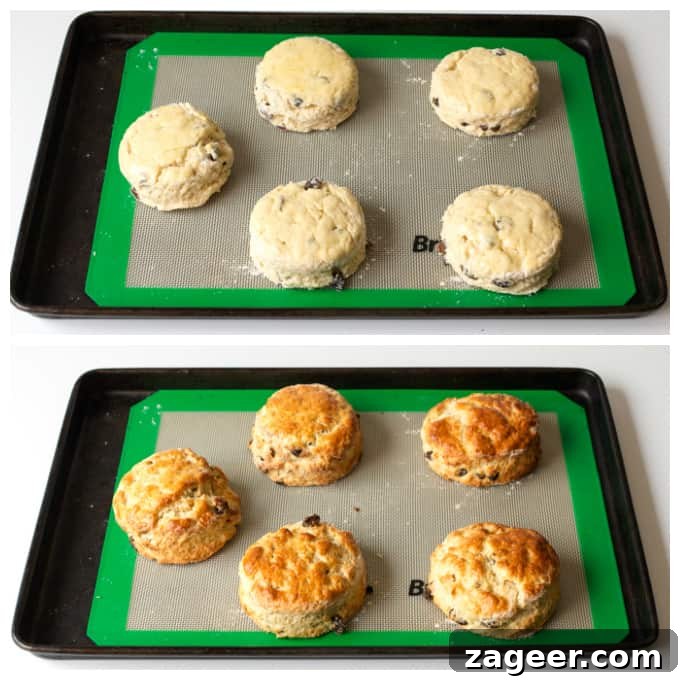
For that coveted golden-brown, inviting crust, brush the tops of your unbaked scones with a simple egg wash (a whisked egg with a splash of milk). A crucial detail here: only brush the tops! Avoid letting any of the egg wash drip down the sides of the scones. If the sides become coated, it can create a barrier that prevents the scones from rising freely and evenly, much like twisting the cutter. A careful brush on the top surface will yield beautifully risen, perfectly golden scones.
The Great Scone Debates: Pronunciation, Cream Tea Traditions, and Classification
While the baking process of scones is an art in itself, the delightful discussions surrounding these humble baked goods are almost as rich and varied as their flavour. These charming debates are deeply ingrained in British culture, adding a layer of playful contention to every tea time.
The Persistent Pronunciation Puzzle: Scone as in “Gone” or “Cone”?
Perhaps the most famous and enduring scone-related argument revolves around its pronunciation. Is it pronounced to rhyme with “gone” (the shorter ‘o’ sound, /ˈskɒn/) or to rhyme with “cone” (the longer ‘o’ sound, /ˈskoʊn/)? This isn’t just a regional divide; it often sparks lively debates even within the same household! In my home, this is a perpetual discussion. I steadfastly adhere to the ‘sk-on’ pronunciation, while my husband, Chris, is a firm advocate for ‘sk-own’. Neither of us has ever conceded, and our children, ever so clever, have learned to exploit this linguistic quirk for their own benefit. You might hear, “Mummy, I absolutely adore your *sc-ones*, may I please have another?” or “Daddy, it’s definitely *s-cones*, isn’t it? Can we watch a movie now?” It’s a fun, albeit relentless, verbal sparring match that makes our tea times even more memorable.
The Eternal Cream Tea Conundrum: Devon vs. Cornwall
Beyond pronunciation, another heated debate rages between two picturesque southern UK counties: Devon and Cornwall. Both are fiercely proud of their “cream tea” tradition, but they fundamentally disagree on the order of assembly. In Devon, the tradition dictates that the warm scone is first split and generously spread with rich clotted cream, followed by a dollop of strawberry jam. Proponents of this method argue that the cream acts as a perfect base, allowing the jam to sit beautifully on top. Conversely, the Cornish tradition insists on spreading the jam first, creating a fruity layer, which is then topped with a generous spoonful of clotted cream. The argument here is that the jam provides a protective layer, preventing the cream from soaking into the scone. As you can clearly discern from the delectable images accompanying this recipe, my culinary allegiance lies firmly with the Devon tradition – clotted cream first, without a shadow of a doubt!
Scone: Cake or Bread?
Finally, a slightly less contentious but equally intriguing discussion often arises: is a scone truly a cake or more of a sweet bread? While scones are frequently served alongside cakes at afternoon tea, their preparation method and resulting texture place them in a somewhat ambiguous category. Technically, scones are classified as “quick breads” because they are leavened with baking powder rather than yeast. This allows for a much quicker preparation time than traditional bread, yet their texture is generally less rich and sweet than most cakes. Regardless of how one chooses to classify them, their universal appeal and comforting deliciousness remain undisputed.
More Scone Recipes and Sweet Treat Inspiration
If you’ve enjoyed mastering these classic fluffy buttermilk raisin scones, you’ll be delighted to discover the endless possibilities within the world of scone baking. Scones are wonderfully adaptable, making them perfect for experimenting with different fruits, spices, and flavors.
- Cranberry and Orange Scones: A vibrant and zesty alternative, perfect for brightening any breakfast or tea spread. The citrus zest adds an invigorating aroma and taste.
- Sourdough Scones: For those who appreciate a deeper, more complex flavor profile, sourdough offers a unique texture and a delightful tang that pairs beautifully with various accompaniments.
And if your sweet tooth is still calling, be sure to explore our extensive Cakes and Treats category. It’s a treasure trove of recipes, offering everything from comforting bakes to elegant desserts, ensuring you’ll always find the perfect sweet inspiration for any occasion!
The Fluffy Buttermilk Raisin Scones Recipe
Fluffy Buttermilk Raisin Scones
Nicky Corbishley
15 minutes
15 minutes
30 minutes
9
-10 large scones
Dessert, Treats
British
Ingredients
-
450
g
(3 3/4 cups) self-raising flour
(if you can’t find self-raising flour, then replace with plain (all-purpose) flour plus 2 level tablespoons of baking powder and an extra ¼ tsp salt), plus extra for dusting -
¼
tsp
salt -
100
g
(7 tbsp) cold butter
diced -
85
g
(1/2 cup minus 1 tbsp) golden caster sugar -
150
g
(3/4 cup) raisins -
1
large egg -
285
ml
(1 cup + 3 tbsp) buttermilk -
1
tsp
vanilla extract - splash of milk
Instructions
-
Preheat the oven to 400F/200C (fan) and line a baking tray with baking parchment.
-
Place the flour, salt, and butter into a large bowl and rub together with your fingertips until the mix resembles breadcrumbs.450 g (3 3/4 cups) self-raising flour,
¼ tsp salt,
100 g (7 tbsp) cold butter -
Add the sugar and raisins and give it a quick mix.85 g (1/2 cup minus 1 tbsp) golden caster sugar,
150 g (3/4 cup) raisins -
Break the egg into a small bowl, give it a quick whisk with a fork, and then pour it into the flour mixture – reserving 1 tbsp of it for glazing the scones later.1 large egg
-
Add in the ¾ of the buttermilk and the vanilla extract and use a round-ended knife to work the mixture together. Add the rest of the buttermilk and work in gently until you have a soft, slightly sticky dough. Don’t overwork, or you’ll get tough scones.285 ml (1 cup + 3 tbsp) buttermilk,
1 tsp vanilla extract -
Tip out the dough onto a floured surface and flatten it out with your hands so that it’s about 1” (2.5cm) thick. Use a round cutter (mine was 3” (8cm) in diameter) dipped in flour (to prevent it sticking) and cut out your scones. Make sure you just press the cutter down rather than twist it – otherwise, you’ll get scones that rise a bit wonky. Gather the leftover dough, gently rework, and cut out the rest of the scones until all the dough is used.
-
Place onto the prepared baking tray. Mix the reserved tbsp of egg with the splash of milk and brush the tops only (brushing the sides will impair the rising of the scones) with this mix and place in the oven for 12-15 minutes until golden brown.splash of milk
-
Remove from the oven, leave to cool, and serve sliced in half with clotted cream and jam/jelly.
Notes
Nutrition
Calories:
366
kcal
|
Carbohydrates:
59
g
|
Protein:
7
g
|
Fat:
11
g
|
Saturated Fat:
6
g
|
Cholesterol:
44
mg
|
Sodium:
175
mg
|
Fiber:
2
g
|
Sugar:
12
g
Nutrition information is automatically calculated, so should only be used as an approximation.
Like this recipe? Leave a comment below!