
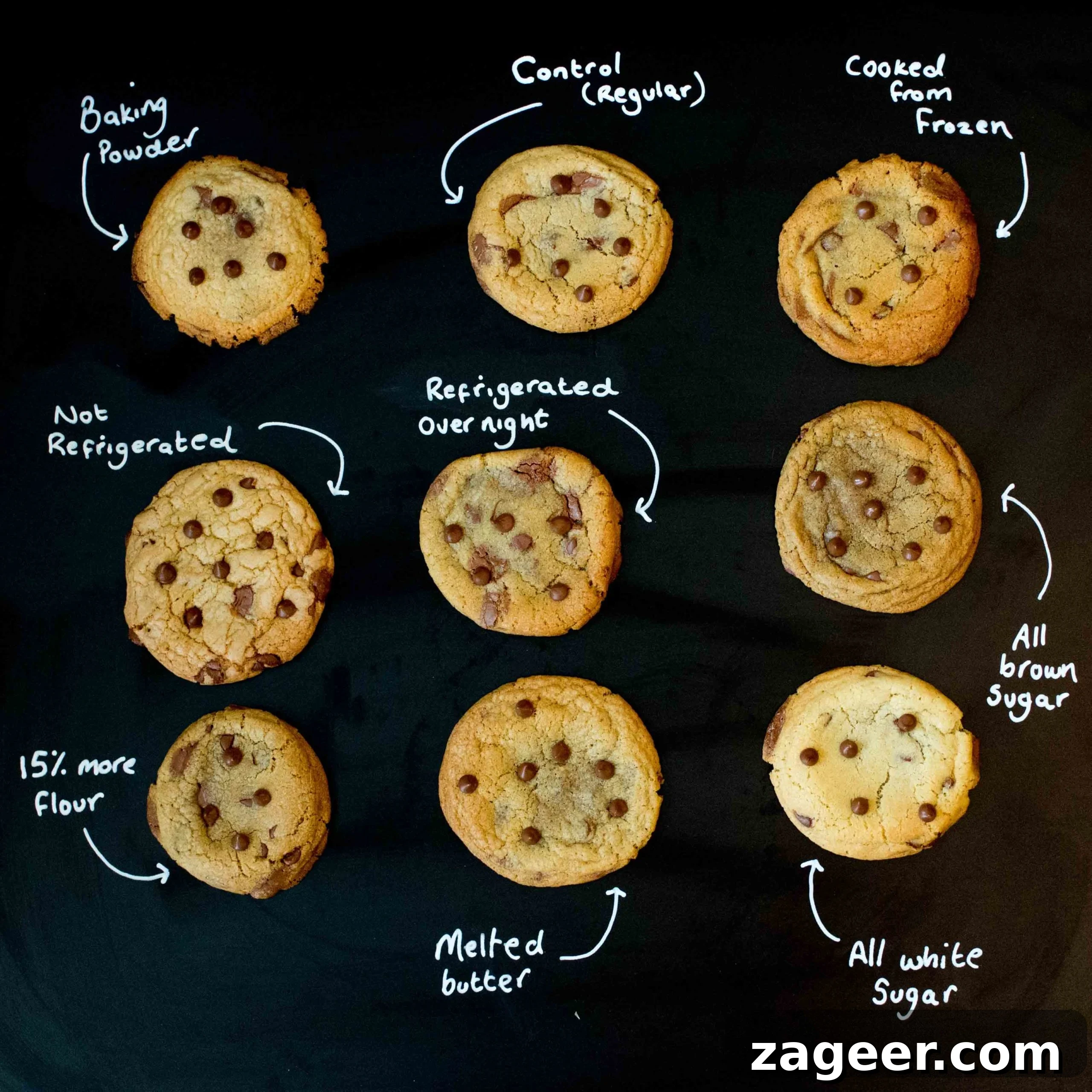
Is there a better experiment than a cookie experiment? I doubt it. Cookie baking comes with a lot of “rules” — chill your dough, don’t use fully melted butter, and so on. I wanted to know if those guidelines actually change the final cookie, so I ran a taste and appearance test to find out.
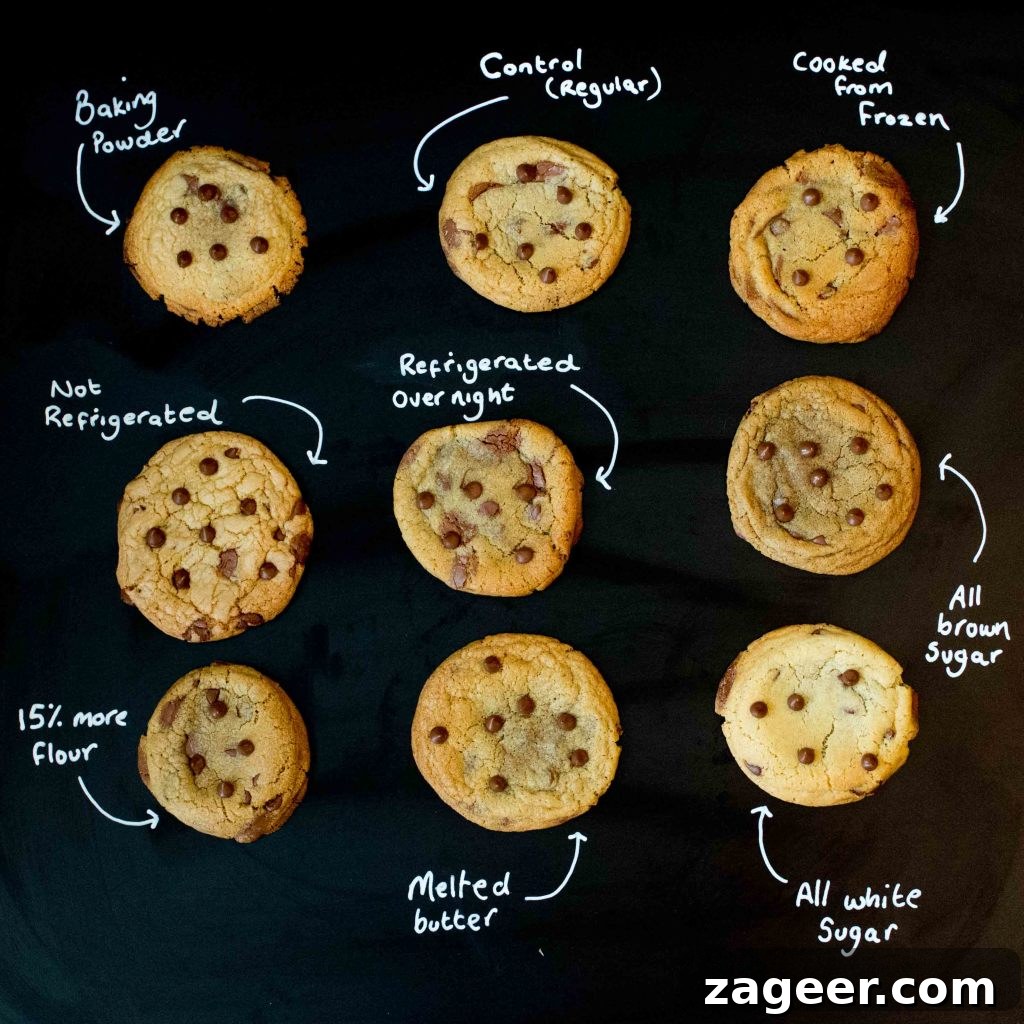
The answer was a clear yes — some changes make a significant difference.
I baked over 80 cookies for this experiment (and admit I ate about 10% of them). I recruited 17 volunteer taste testers — colleagues and family — and asked each person to choose their favourite cookie and, if they wanted, their least favourite.
The control recipe came from my Classic Chewy Chocolate Chip Cookies (based on Sally’s Baking Addiction). The control ingredients and rules were:
Ingredients:
- 280 g plain (all-purpose) flour
- 1 tsp baking soda
- 1½ tsp cornflour
- ½ tsp salt
- 170 g unsalted butter, almost fully melted (soft but not completely liquid)
- 150 g light brown muscovado sugar
- 100 g granulated sugar
- 1 large egg
- 1 egg yolk
- 2 tsp vanilla extract or vanilla paste
- 180 g good quality chocolate chips
Control rules:
- Butter should be very soft but not completely melted.
- Refrigerate the dough for at least two hours.
- Use a mix of brown and white sugar.
- Bake each cookie for 12 minutes (cookies baked from frozen were given 13 minutes).
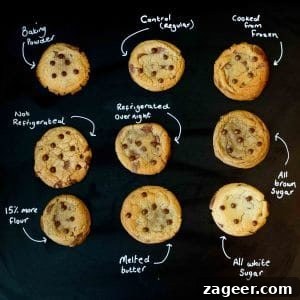
For the experiment I made eight additional batches, each with a single change to the control. The variations were:
- Replace baking soda with baking powder.
- Bake cookie dough balls straight from frozen (after refrigerating and rolling into balls, freeze them).
- Bake without refrigerating the dough.
- Refrigerate the dough overnight instead of 2 hours.
- Use all brown sugar (250 g) instead of a brown/white mix.
- Use 15% more flour to see if the cookie becomes thicker.
- Use completely melted butter instead of very soft/almost melted butter.
- Use all white sugar (250 g) instead of a brown/white mix.
Below are the observations and test results for each variation.
1. Baking powder instead of baking soda
These cookies domed in the center with very flat, crunchy edges. They were still tasty but not chewy. One person chose these as their favourite.
2. Baked from frozen
I initially baked these one minute longer but later discovered 12 minutes is fine. They puffed up nicely, sank a touch while cooling and gained a slightly rippled top. The result: crunchy outside, chewy center, lots of flavour. Two people picked these as their favourite.
3. No refrigeration

These were the least successful. The dough was sloppy and hard to shape; the cookies baked firm, crumbly, with cracked shiny tops and lacking depth of flavour. Refrigeration firms the dough and makes rolling easy; without it you end up flattening sticky dough on the tray. Wetting hands while shaping reduced the cracked appearance but did not improve taste. One person liked them, while 11 named them their least favourite.

4. Refrigerated overnight
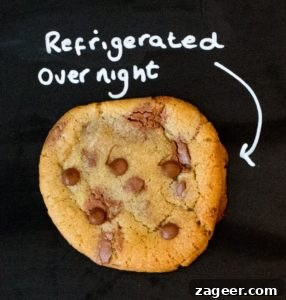
These were soft, chewy, and packed with flavour. Overnight chilling allowed the flavours to develop fully. Five people chose these as their favourite; one person listed them as least favourite.
5. All brown sugar
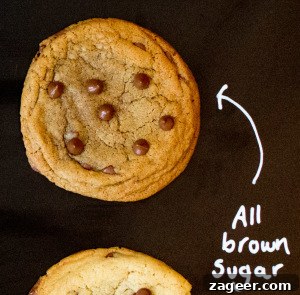
One of the best results: a deep caramel flavour, chewy inside and crisp outside, with a darker, appealing appearance. Four people picked this batch as their favourite.
6. 15% more flour
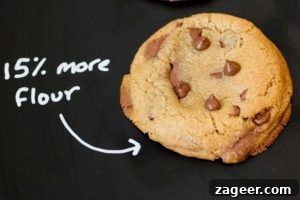
More flour produced thicker cookies that spread less and looked puffy. They were slightly drier and had a faint floury texture with less flavour. Two people preferred these.
7. Completely melted butter
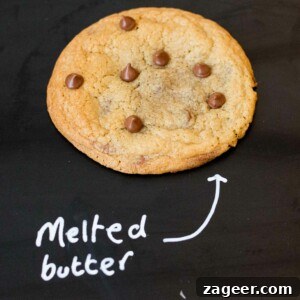
These cookies were soft inside and flavorful but slightly greasier and spread more than any other version. One person picked them as their favourite.
8. All white sugar

These cookies were pale, reasonably thick and chewy, though a bit dry at the edges and lacking caramel notes. No one chose these as their top pick.
Control cookie
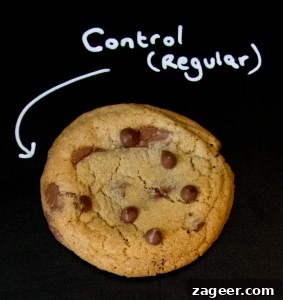
The control produced an all-round tasty, soft, chewy cookie. One person named it their favourite and one listed it as least favourite.
Conclusion
The clear winner was the overnight-chilled dough (variation 4). Refrigerating the dough overnight deepened the flavour and improved texture. All-brown-sugar cookies (variation 5) were a close second, giving an excellent caramel flavour and a wonderful chew.
If you want a very flavourful, soft, caramel-like cookie, try using all brown sugar and chilling the dough overnight. Alternatively, keep a batch of dough balls frozen so you can bake fresh cookies quickly when a craving hits.
What do you think? Have you tested variations in your cookie baking? Which version would you try first?
The Cookie Experiment Recipe:
Cookie Experiment
Ingredients
- 280 g (2 1/3 cups) plain (all-purpose) flour
- 1 tsp baking soda
- 1 ½ tsp cornflour
- ½ tsp salt
- 170 g (3/4 cup + 1 tsp) unsalted butter almost fully melted
- 150 g (3/4 cup) light brown muscovado sugar
- 100 g (1/2 cup) granulated sugar
- 1 large egg
- 1 egg yolk
- 2 tsp vanilla extract or vanilla paste
- 180 g (1 cup + 1 tbsp) good quality chocolate chips
Instructions
-
Mix the flour, baking soda, cornflour and salt in a bowl and set aside.
-
In a large bowl, whisk together the butter and both sugars until combined.
-
Add the egg, egg yolk and vanilla and whisk again. Add the flour mixture and mix using a wooden spoon until combined.
-
Stir in the chocolate chips, reserving 1 tbsp to press on top after baking.
-
Cover the bowl with clingfilm and chill in the fridge for at least 2 hours (or up to 3 days). Chilling prevents excessive spreading when baking.
-
Preheat the oven to 160°C / 325°F (fan).
-
Line baking trays with parchment or a silicone mat.
-
Scoop a heaped tablespoon (or weigh 55 g / 2 oz) of dough, roll into balls and place on the tray spaced apart. You should get about 16–18 cookies.
-
Bake for 10–13 minutes depending on how soft or crisp you like them.
-
Press the reserved chocolate chips into the hot cookies, cool on the tray for 10 minutes, then transfer to a rack to cool completely.
Notes
Nutrition