
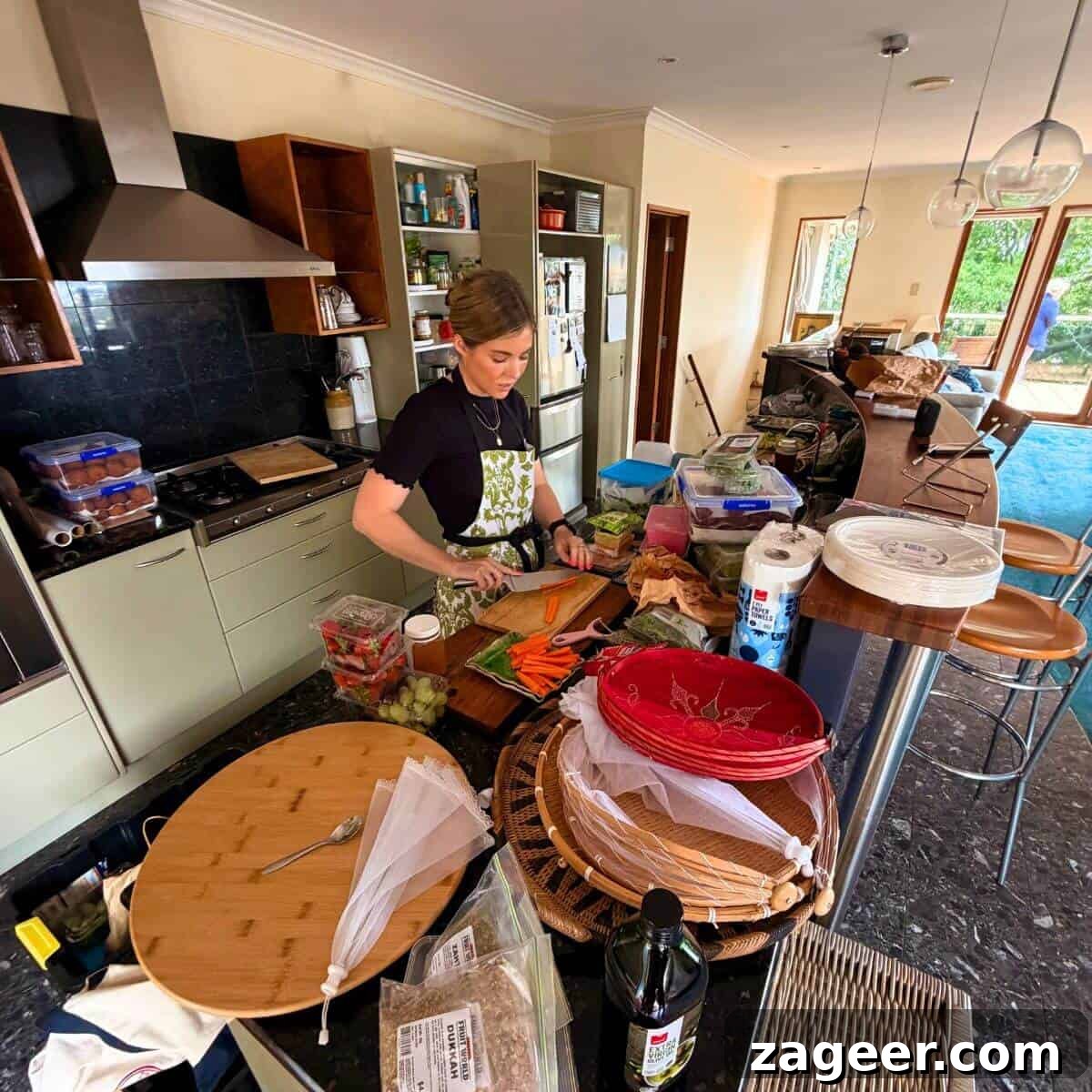
A well-stocked kitchen isn’t about owning every possible ingredient — it’s about having a selection of versatile basics, dependable flavor boosters, and flexible staples that make cooking easier, faster, and more enjoyable.
Over time I’ve been asked a lot about the ingredients I use regularly and where to begin when stocking a kitchen, so I’ve compiled everything here into one practical, approachable guide.
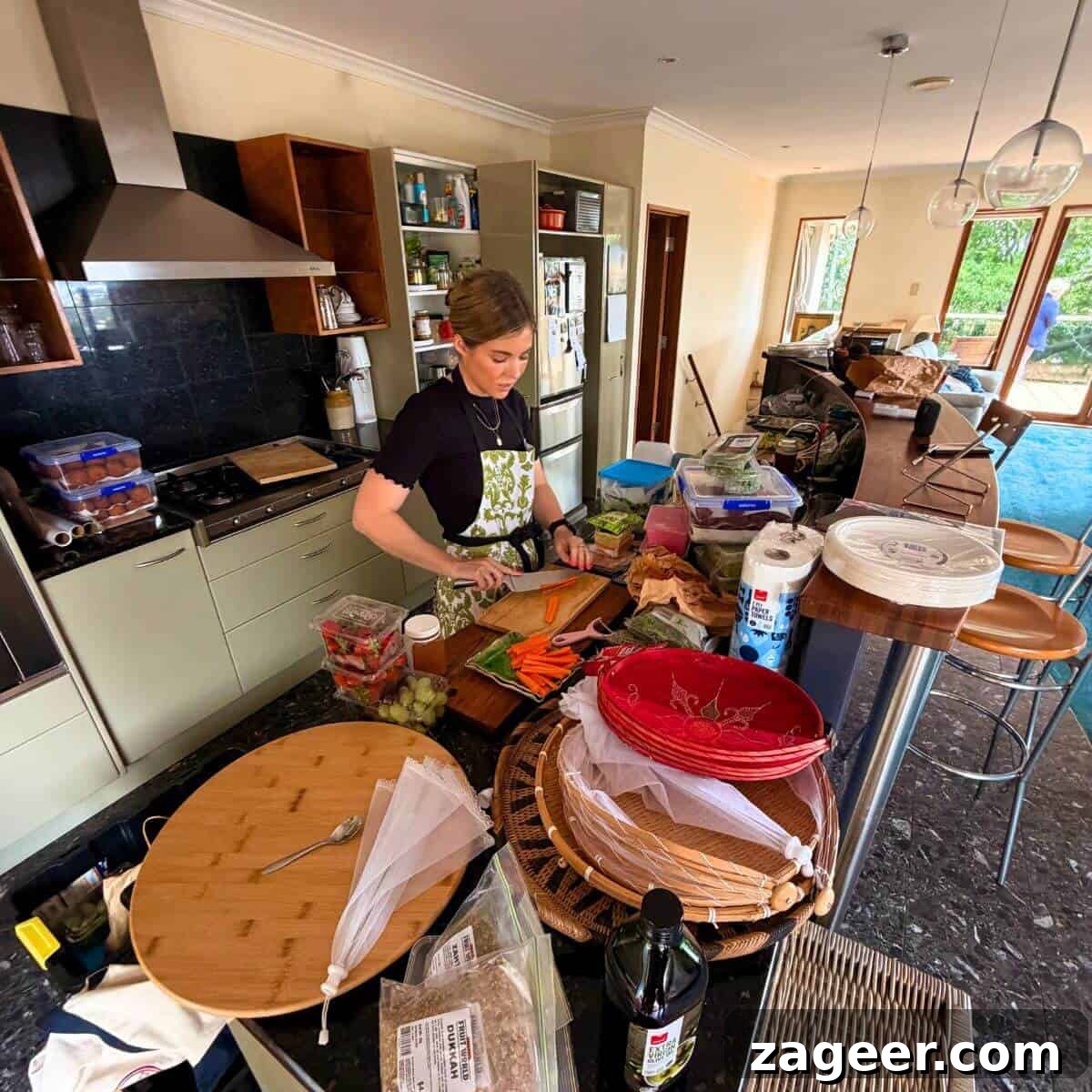
How to Use This Guide
This guide is designed to be practical and not overwhelming. You don’t need to buy everything at once.
Begin with the essentials, then add the flavor boosters that suit your cooking style. Build your pantry and fridge around the meals you actually enjoy making.
My approach is flavor-forward but approachable for everyday cooking. These are the ingredients I reach for to make quick dinners, punchy sauces, tossed bowls, salads, dips, and simple party food.
Treat this as a flexible checklist rather than a strict shopping list: pick what works for you and skip the rest.

Start Here: The Basics
These are the baseline essentials if you’re starting from scratch. They’re the everyday ingredients I use most often and the foundation for many great meals.
Olive oil. Use it for dressings, marinades, cooking, roasting, finishing dips, and drizzling over salads. A good everyday olive oil is all you need — it doesn’t have to be expensive.
Salt and black pepper. Seasoning is fundamental. Keep flaky sea salt for finishing and finer salt for cooking. Freshly ground black pepper improves flavor.
Fresh garlic. Fresh garlic brightens and lifts dishes. It’s indispensable in sauces, dressings, marinades, pastas, bakes, rice bowls, and dips. Jarred garlic can help in a pinch, but fresh is best.
Fresh lemons and limes. Acid from citrus livens up almost any dish. A squeeze of lemon or lime often turns a flat dish into something bright and balanced.
Onions. White or brown onions form the base of countless recipes. Red onions are great for pickling and salads.
Butter. Not always necessary, but it adds richness to many recipes that nothing else quite replicates.
Neutral oil. Useful for high-heat cooking or when you want a neutral base, especially for Asian-inspired recipes. It’s also ideal for homemade mayonnaise.
The Ten Essentials I Reach For Most
These sauces, pastes, and condiments are the flavor anchors I use regularly. You don’t need them all, but they’ll make your cooking more versatile and exciting.
- Fish sauce. A small amount adds deep savory umami that salt alone can’t provide. It’s a secret weapon in dressings, marinades, sauces, and even salads.
- Sweet chili jam or sweet chili sauce. A shortcut for adding sweet heat to sauces, marinades, bowls, grilled meats, tacos, and flatbreads. Homemade or store-bought both work.
- Gochujang paste. Korean chili paste that brings heat, sweetness, and complexity to bowls, marinades, noodles, meatballs, glazes, and bakes.
- White miso paste. Adds deep umami and subtle sweetness to marinades, sauces, roasted vegetables, soups, pasta, risotto, and even baked goods when used thoughtfully.
- Chili crisp or chili oil. A drizzle elevates almost anything, and it’s an easy addition to sauces, marinades, and dressings.
- Harissa paste. A North African chili paste that’s excellent in marinades, glazes, dressings, or mixed into yogurt or feta for a quick dip.
- Tahini. Creamy and nutty, perfect for dressings, sauces, hummus, and drizzles for grilled meats, salads, roasted vegetables, and flatbreads.
- Fresh basil pesto. Not just for pasta — pesto is great tossed through salads, used as a marinade, or stirred into potatoes and vegetables.
- Peanut butter. Essential for satay-style sauces and quick, flavorful noodle dressings.
- Greek yogurt. A versatile fridge staple for sauces, dips, marinades, quick flatbreads and bagels, dressings, and creamy bowls.
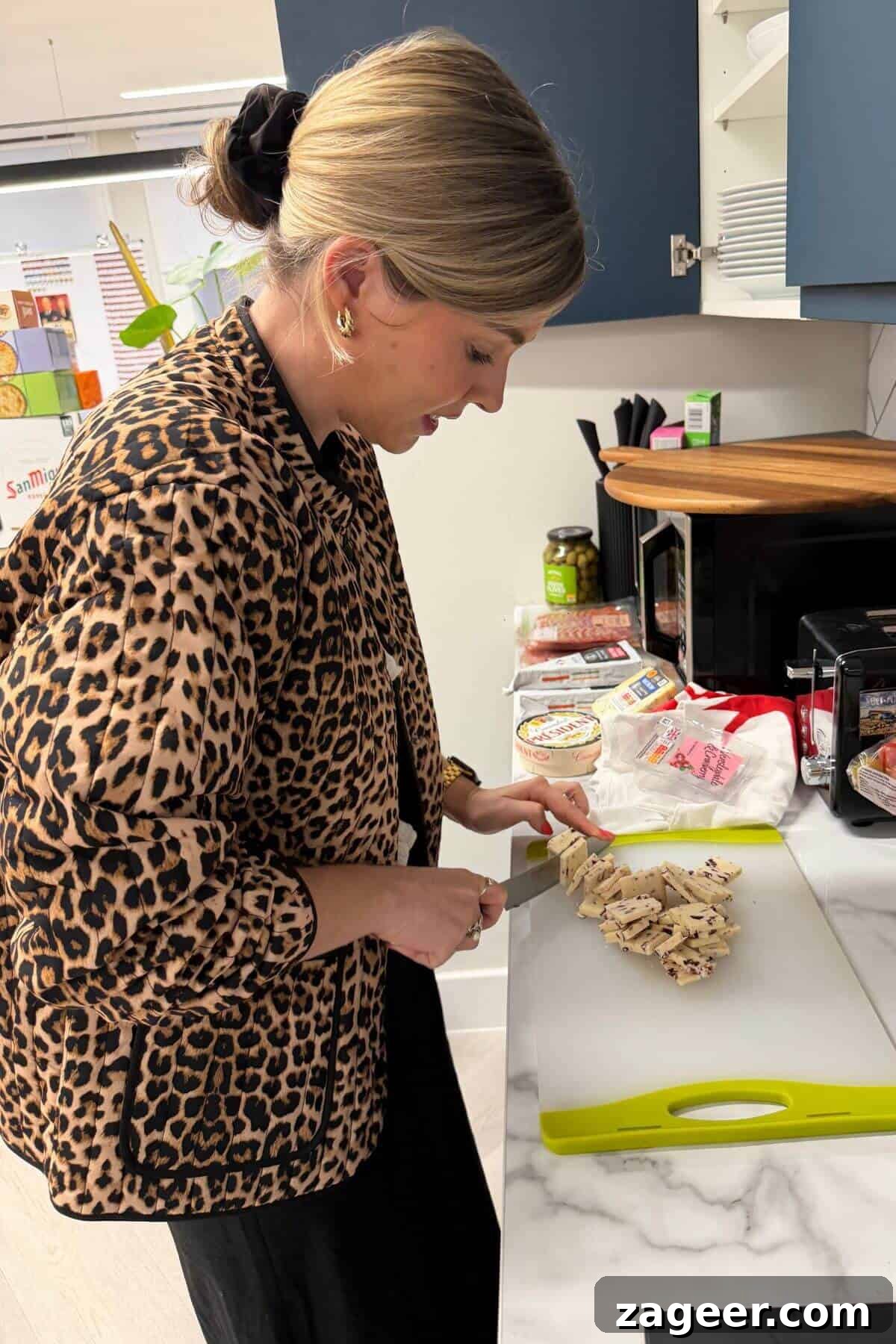
Cupboard Staples for Easy, Throw-Together Meals
Stock these and you’ll be well on your way to fast, satisfying dinners.
- Canned tomatoes. Highly versatile for sauces, curries, soups, bakes, and one-pan meals.
- Rice. A reliable base for bowls, curries, fried rice, or crispy rice salads. Keep long-grain (like basmati) and a short-grain or risotto rice on hand if you can.
- Pasta. Have at least one short and one long shape for quick meals.
- Noodles. Ramen, udon, egg, or rice noodles are great for stir-fries, noodle salads, and bowls.
- Orzo, couscous, or bulgur. Useful for bulking out salads and sides.
- Tomato paste. Concentrated flavor for building sauces and stews.
- Coconut milk. Adds creamy texture to curries, saucy bakes, and soups without dairy. Choose a brand with substantial coconut content for best results.
- Beans. Chickpeas and butter beans add instant protein and fiber — great whole or blitzed into dips.
- Stock cubes. Handy for adding depth to sauces, soups, risottos, and for cooking grains.
- Canned tuna. A quick protein for pastas, bowls, salads, and toast.
- Light soy sauce. A salty, savory staple useful in marinades, stir-fries, and dressings.
- Rice vinegar. Mild and slightly sweet — ideal for dressings, quick pickles, and noodle salads.
- Sesame oil. A little adds huge flavor to noodles, fried rice, slaws, and dressings.
- Dijon mustard. Great for dressings and brightening sauces.
- Potatoes. All-purpose varieties are extremely versatile.
- Sundried tomatoes. A concentrated burst of flavor for salads, sauces, and bowls.
- Tortillas or flatbreads. Useful for quick wraps and tacos and they freeze well.
Fridge Staples That Improve Meals
These ingredients add creaminess, freshness, protein, crunch, and bright flavor to everyday dishes.
- Cheese. My go-tos are feta, parmesan, halloumi, and sharp cheddar. Use them in salads, sauces, bakes, or as a quick protein. Save parmesan rinds for flavoring stocks and soups.
- Fresh herbs. Parsley, cilantro (coriander), chives, and basil make dishes taste fresher and can be turned into quick sauces or pesto.
- Eggs. Versatile for breakfasts, fried rice, shakshuka, and baking.
- Scallions. Great for finishing salads, bowls, tacos, and dips.
- Cucumbers. Dice for salads, quick-pickle for slaws, or serve as a crunchy snack with dips.
- Spinach. A flexible green that works in salads, sauces, bakes, curries, risottos, and pastas.
- Cherry tomatoes. Sweet and convenient; store at room temperature when possible for best flavor.
- Pickles. Dill pickles or pickled jalapeños add acidity and crunch to bowls and sandwiches.
- Ginger. Fresh is best, though ginger paste works well in a pinch.
Spices and Seasonings Worth Having
You don’t need an enormous spice collection. A curated set of reliable spices will cover most recipes.
Must Haves
- Ground cumin
- Smoked paprika
- Dried oregano or thyme
- Red pepper flakes or chili flakes
- Ground turmeric
- Curry powder
- Ground cinnamon
- Ground coriander
Nice-to-Have Extras
- Za’atar
- Sumac
- Garam masala
- Chinese five spice
- Everything bagel seasoning
- MSG (optional)
Freezer Staples
Even with limited space, keep a few frozen essentials that make weeknight cooking faster.
- Frozen peas or edamame. Easy to add straight to hot dishes for color and texture.
- Frozen spinach. Convenient to add to sauces, pies, pastas, soups, and curries.
- Frozen raw shrimp (prawns). Defrost quickly and are useful in pastas, risottos, and stir-fries.
- Frozen mixed berries. Perfect for smoothies, sauces, or desserts.
Classic Pantry Basics Worth Having Too
Alongside the ingredients I use most, a few classic pantry items are always handy to have around.
- All-purpose flour. Useful for breads, flatbreads, cookies, thickening sauces, and coatings.
- Cornstarch (cornflour). Great for thickening sauces and gravies.
- Baking powder and baking soda. Essential for many quick breads and two-ingredient doughs.
- White and brown sugar. For baking and balancing savory sauces.
- Dried fruit. Adds sweetness to salads, dips, and rice dishes.
- Nuts and seeds. For crunch, texture, and pesto.
- Different vinegars. Rice vinegar is my favorite, but apple cider, white wine, and balsamic are useful too.
The Tools I Reach For Most
You don’t need every gadget to cook well, but a few tools make life much easier.
Microplane. Ideal for grating garlic, ginger, lemon zest, and hard cheeses.
A good knife. A sharp, comfortable knife dramatically improves prep speed and enjoyment.
Cutting boards and mixing bowls. Multiple boards and bowls make prep and cleanup simpler.
Silicone spatula. Essential for scraping pans, folding mixtures, and working with nonstick cookware.
Nonstick skillet and a high-sided, ovenproof pan. Useful for eggs, pan-frying, one-pan dinners, and dishes that finish in the oven.
Rimmed baking sheets and baking dishes. Needed for roasting and sheet-pan meals.
Food processor, blender, or immersion blender. One of these helps with sauces, pestos, hummus, and batters.
Digital scale. Helpful for consistent baking results.
Air fryer. A time-saving appliance for quick roasting and crisping.
Bamboo steamer and electric pressure cooker (optional). Useful for steaming dumplings or speeding up slow-cooked recipes, stocks, and grains.
A Final Note
The goal isn’t a perfect pantry — it’s having enough useful ingredients on hand to make cooking easier, more manageable, and more inspiring. I hope this guide becomes a helpful resource for building a kitchen that supports the meals you love to cook.