
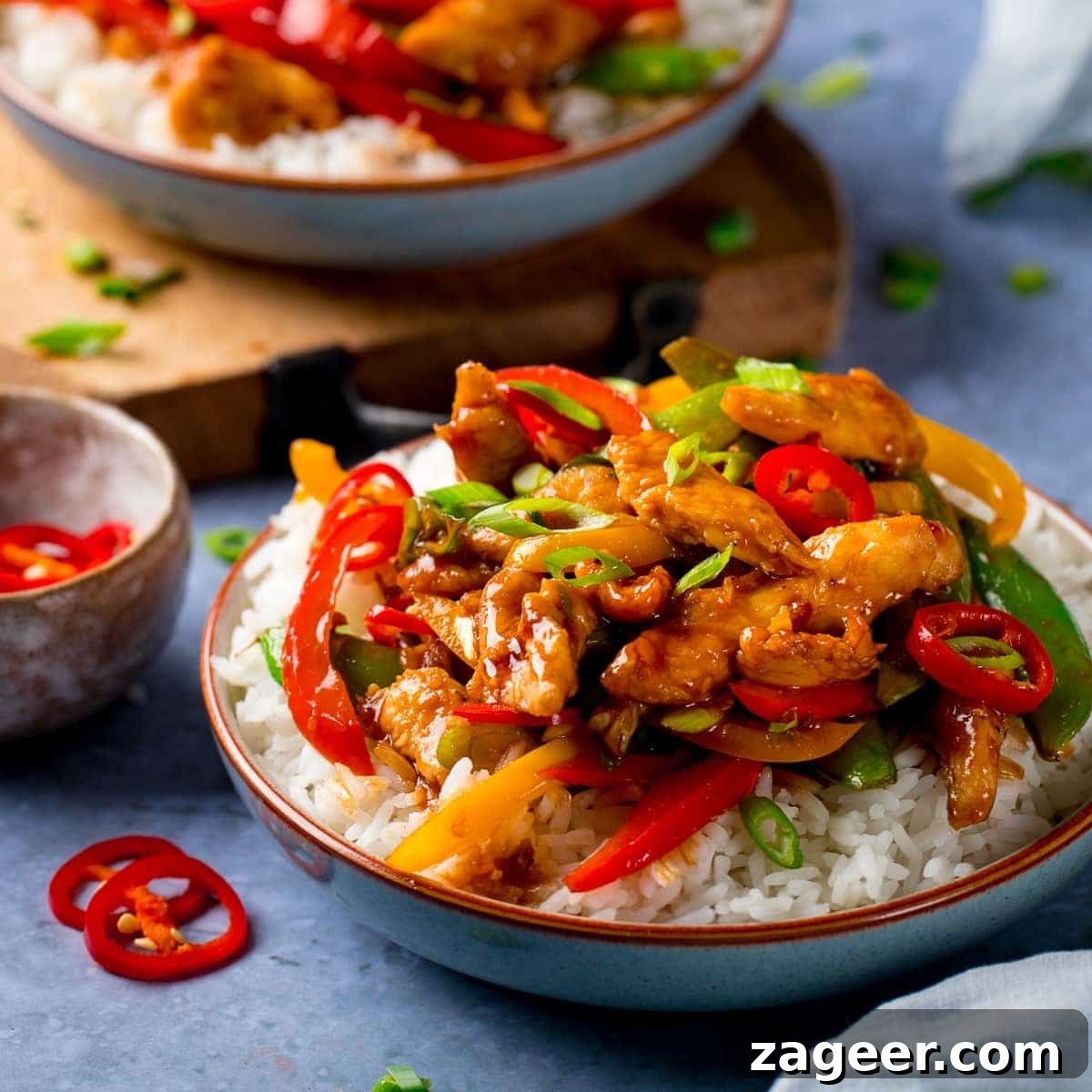
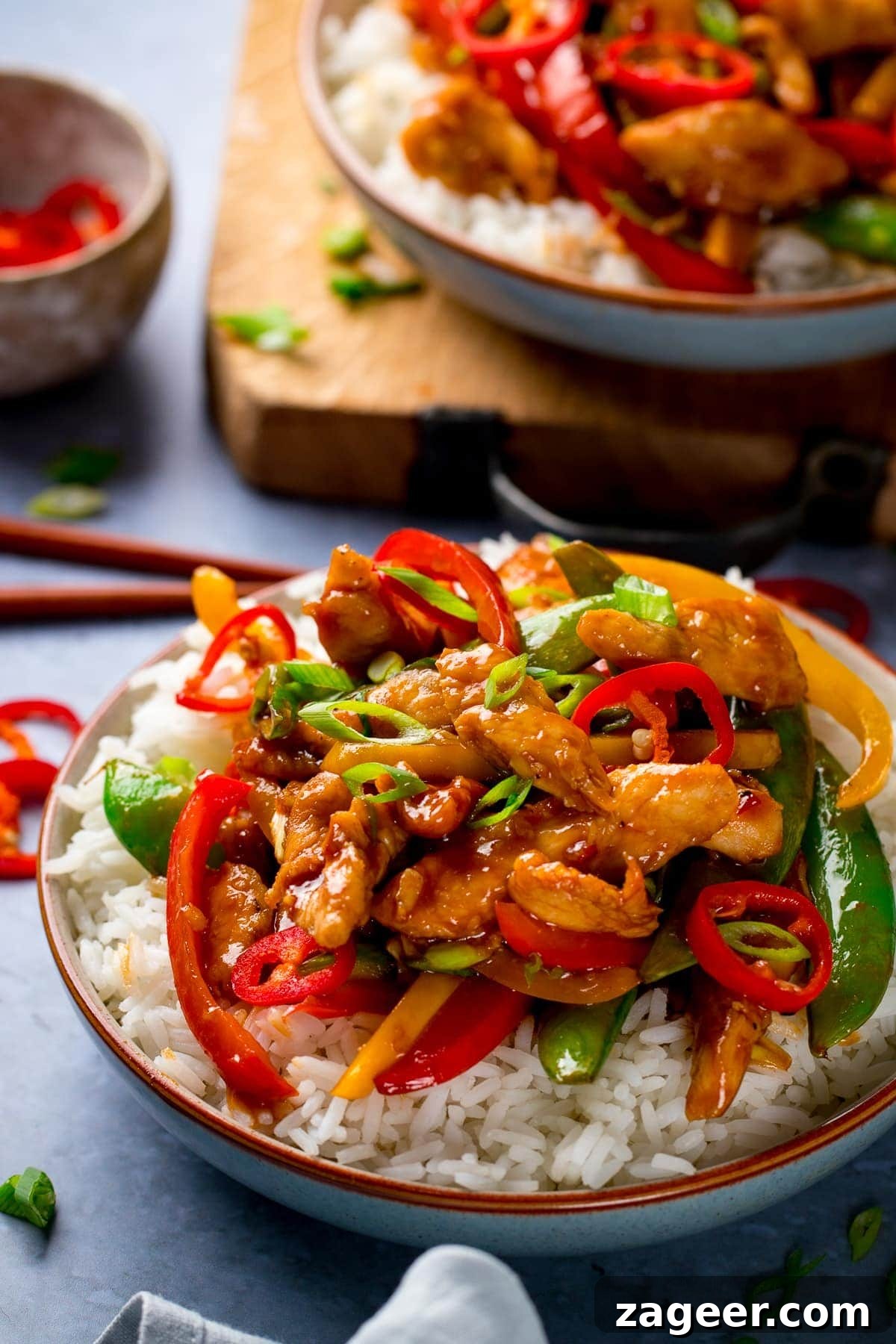
Quick Chicken Stir Fry: Your New Favorite Mid-Week Meal (No Jarred Sauce Needed!)
Table of Contents
- Introduction: Beyond the Jarred Sauce
- Why Choose Homemade Stir Fry Sauce?
- Essential Ingredients for Your Stir Fry
- How to Master Your Chicken Stir Fry: Step-by-Step Guide
- Customize Your Stir Fry Sauce: Exciting Variations
- Chicken Thighs or Breast: What’s Best for Stir Fry?
- Vegetarian Stir Fry Alternatives
- Supercharge Your Stir Fry with More Veggies
- What to Serve with Your Perfect Chicken Stir Fry
- Expert Stir-Fry Tips for Success
- Quick Chicken Stir Fry Recipe Card
- Watch the Recipe Video
- Conclusion: Savor the Flavor!
Introduction: Beyond the Jarred Sauce
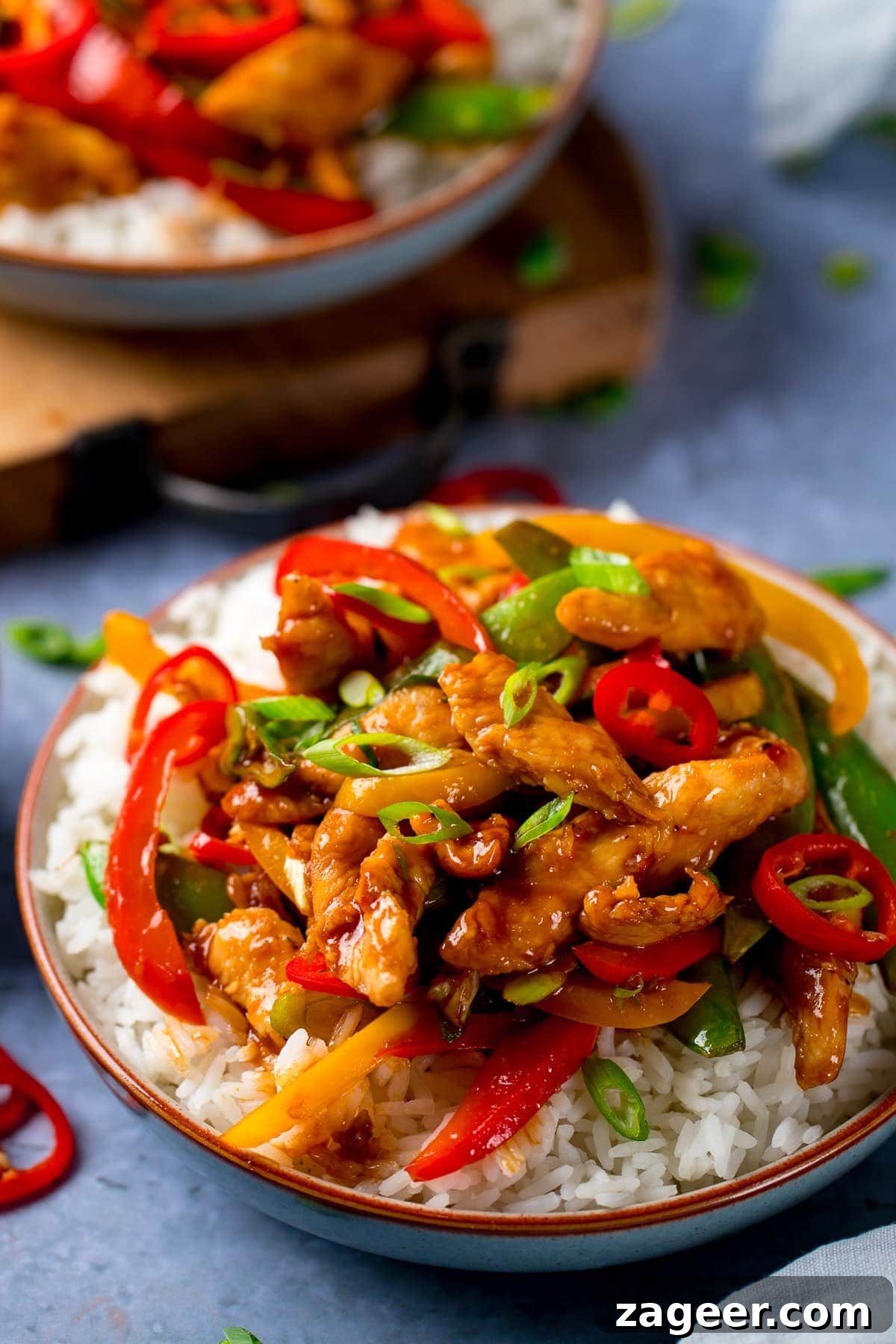
Craving a delicious, wholesome meal that’s on the table in under 25 minutes? Look no further than this incredible chicken and veggie stir fry! It’s the ultimate solution for those busy mid-week evenings when you need something quick, flavorful, and satisfying. Forget the greasy takeout and the bland, store-bought sauces; this recipe delivers a vibrant, sweet, and spicy kick that will awaken your taste buds and impress the whole family.
Many of us fall into the habit of grabbing a jar of stir fry sauce for convenience, but that often leads to repetitive and uninspired meals. This recipe proves that making your own stir fry sauce from scratch is not only just as fast but opens up a world of customizable flavors. With just a few pantry staples, you can create a sauce that perfectly complements tender chicken and crisp vegetables, offering a freshness and depth of flavor that jarred alternatives simply can’t match. Get ready to elevate your weeknight dining experience!
Why Choose Homemade Stir Fry Sauce?
The allure of a pre-made stir fry sauce in a jar is undeniable on a hectic day. However, relying on these can quickly lead to culinary monotony and often comes with hidden sugars, excessive sodium, and artificial ingredients. By taking just a few extra minutes to whip up your own sauce, you gain complete control over the flavor profile and nutritional content of your meal.
Our sweet and spicy stir fry sauce, crafted with sweet chilli sauce, brown sugar, and a hint of fresh chillies, offers a balanced flavor that’s both exciting and adaptable. If you prefer less heat, simply reduce or omit the fresh chillies – it’s still wonderfully delicious, even for children who might be sensitive to spice. This personalized approach guarantees a fresher taste, allows for endless experimentation with variations, and ensures a healthier meal for you and your loved ones. Once you try homemade, you’ll never go back!
Essential Ingredients for Your Stir Fry
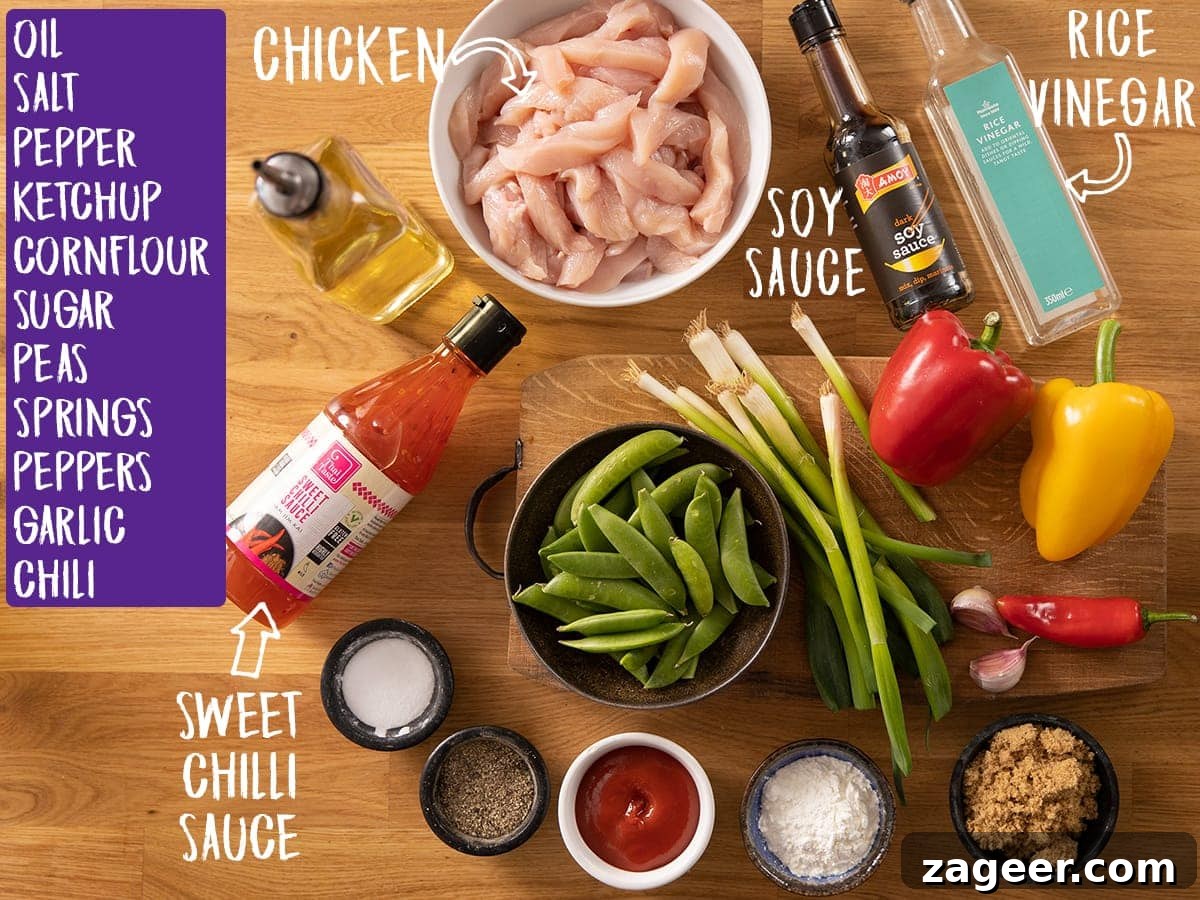
Creating a fantastic stir fry starts with fresh, quality ingredients. For this recipe, we focus on tender chicken, crisp vegetables, and a balanced sauce built from common pantry items. Here’s a breakdown of what you’ll need to gather:
- **Chicken Breast Fillets:** Three fillets, sliced into bite-sized pieces. We’ll coat these in cornflour for extra tenderness and a slight crispness.
- **Cornflour/Cornstarch:** Essential for coating the chicken, ensuring it stays juicy and cooks beautifully, preventing it from drying out.
- **Salt & Pepper:** Basic seasoning to enhance the chicken’s natural flavor.
- **Vegetable Oil:** For high-heat stir-frying, ensuring a good sear on your chicken and veggies.
- **Sugar Snap Peas/Snow Peas:** Adds a delightful crunch and natural sweetness.
- **Bell Peppers:** One yellow and one red pepper, deseeded and sliced. These provide vibrant color, texture, and a touch of sweetness.
- **Garlic:** Two cloves, peeled and minced. The aromatic backbone of many Asian dishes, adding depth.
- **Soy Sauce:** Four tablespoons, providing the essential umami and saltiness. Dark soy sauce is often preferred for color and deeper flavor.
- **Chinese Rice Vinegar:** Two tablespoons, offering a tangy balance to the sweetness of the sauce.
- **Brown Sugar:** Three tablespoons, to achieve that signature sweet element and help caramelize the sauce.
- **Sweet Chilli Sauce:** Three tablespoons, providing a lovely balance of sweet and mild heat. You can adjust this to your preference.
- **Tomato Ketchup:** Two tablespoons, a secret ingredient that adds a subtle tang and richness to the sauce.
- **Spring Onions/Scallions:** One bunch, chopped for a fresh, oniony finish and garnish.
- **Red Chilli:** One small chilli, deseeded and sliced (optional, for extra heat).
Having these ingredients prepped and ready before you start cooking is key to a smooth stir-frying process. Remember, stir-frying is fast, so you won’t have time to chop mid-cook!
How to Master Your Chicken Stir Fry: Step-by-Step Guide
Achieving a restaurant-quality stir fry at home is easier than you think. The key is high heat, quick cooking, and having all your ingredients prepped. Follow these detailed steps for a perfect chicken stir fry every time:
-
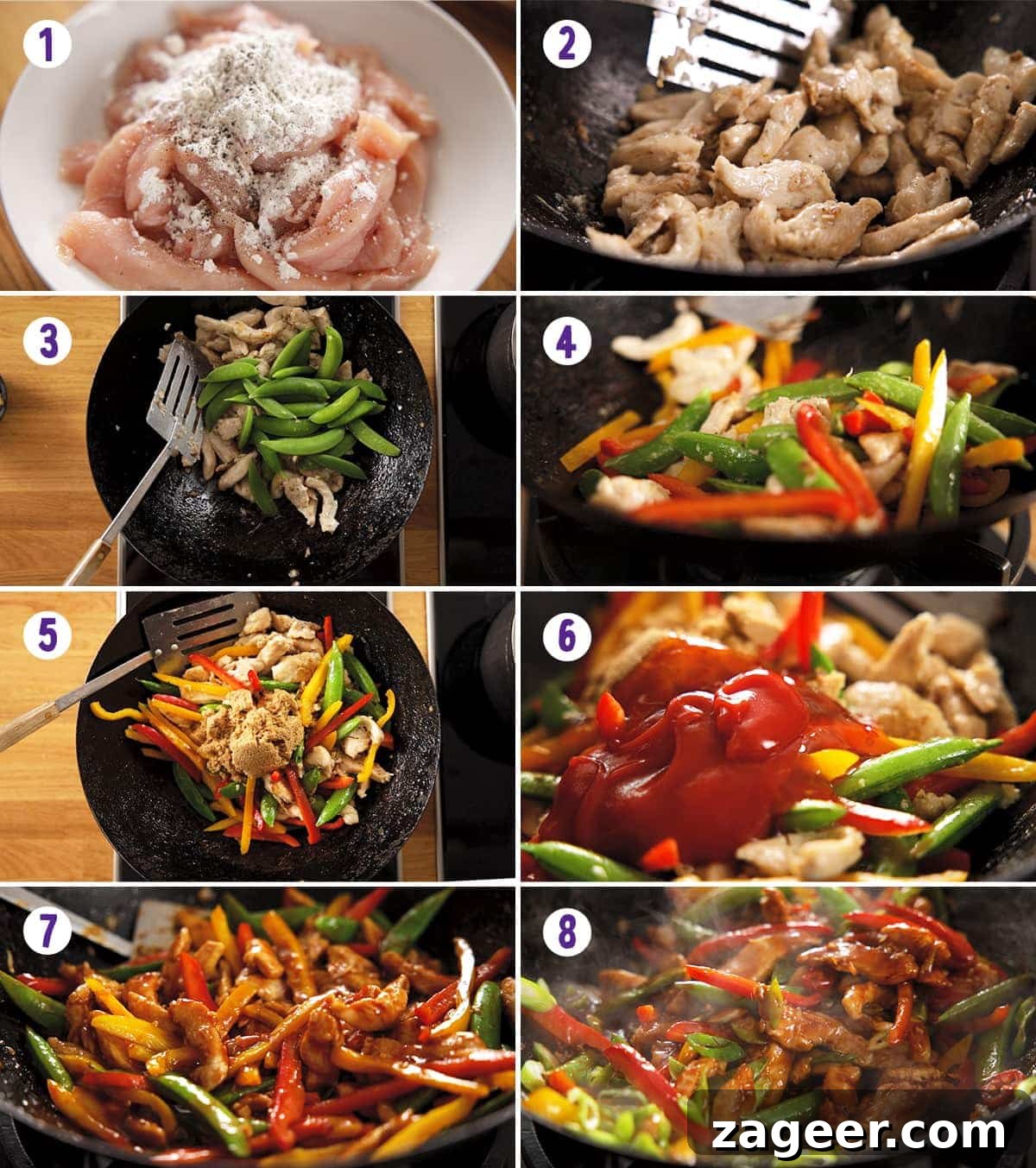
Prepare the Chicken: Begin by thinly slicing your chicken breast fillets into uniform, bite-sized pieces. This ensures even cooking. Place the chicken in a bowl, add the cornflour, a pinch of salt, and a pinch of pepper. Toss everything together thoroughly until each piece of chicken is lightly coated. The cornflour not only seasons the chicken but also helps to tenderize it and create a slightly crispy exterior when cooked.
-
High-Heat Searing: Heat your wok or large frying pan over a very high heat. Add the vegetable oil and let it get shimmering hot. Once hot, add the coated chicken in a single layer if possible (cook in batches if your wok is too small to avoid overcrowding, which steams rather than sears the chicken). Fry for 5-6 minutes, turning occasionally, until the chicken is lightly browned and cooked through. It should be golden on the outside and no longer pink in the middle. Remove the chicken from the wok and set aside momentarily.
-
Add the Vegetables: Return the wok to high heat. Add the sugar snap peas, yellow pepper, and red pepper. Stir-fry these vegetables for about 2-3 minutes. You want them to become tender-crisp – cooked but still retaining a pleasant bite and vibrant color. Avoid overcooking, as soggy vegetables detract from a good stir fry.
-
Introduce the Sauce: Add the minced garlic to the wok with the vegetables and stir-fry for another 30 seconds until fragrant (be careful not to burn the garlic). Immediately return the cooked chicken to the wok. Pour in the soy sauce, Chinese rice vinegar, brown sugar, sweet chilli sauce, and tomato ketchup. Continue to toss and stir everything together on high heat for another 2-3 minutes, allowing the sauce to thicken slightly and coat all the ingredients beautifully. Ensure the chicken and vegetables are fully heated through and glossy with the sauce.
-
Finishing Touches: Finally, stir in the chopped spring onions and sliced red chilli (if using) for a fresh burst of flavor and a little extra heat. Cook for just one more minute, allowing them to heat through but remain crunchy. The goal is to keep their fresh texture and vibrant color.
Serve your sizzling chicken stir fry immediately with a side of freshly boiled rice or noodles for a complete and satisfying meal. Enjoy the fantastic flavors and the satisfaction of a homemade dish!
Customize Your Stir Fry Sauce: Exciting Variations
One of the greatest advantages of making your own stir fry sauce is the ability to tailor it to your exact preferences. While our sweet and spicy version is a fantastic starting point, don’t hesitate to get creative. Here are a few exciting sauce variations you can try:
- **Tangy-Sweet Zest:** For a brighter, more citrusy profile, add an extra tablespoon of brown sugar and the juice of half a lime to the basic sauce. This creates a refreshing tang that beautifully cuts through the richness of the chicken and vegetables.
- **Quick Sweet and Sour:** Transform your stir fry into a classic sweet and sour dish by incorporating pineapple chunks and a splash of their juice. Pair this with a tablespoon of malt vinegar and an extra squirt of tomato ketchup for that unmistakable tangy-sweet balance. It’s a delightful twist that’s surprisingly easy to achieve.
- **Earthy Hoisin & Oyster:** If you prefer a richer, more savory-sweet and umami-packed flavor, replace some of the sweet chilli sauce with hoisin sauce and a tablespoon of oyster sauce. These additions provide a deeper, more complex earthiness that is incredibly satisfying and reminiscent of traditional Asian flavors.
- **Ginger & Sesame Infusion:** For an aromatic boost, add a tablespoon of freshly grated ginger to the wok along with the garlic. Finish the sauce with a drizzle of toasted sesame oil right before serving. This adds a nutty, warm complexity that elevates the entire dish.
Experiment with these variations to discover your favorite! A homemade sauce allows for endless possibilities and ensures your stir fry is never boring.
More Stir Fry Recipes to Explore
If you’ve enjoyed this quick chicken stir fry, you’re in for a treat! Stir fries are incredibly versatile and offer a world of flavors. Expand your culinary repertoire with these other delicious stir fry recipes from our kitchen:
Chinese Plum Chicken Stir Fry – A unique sweet and savory delight.
Beef Chow Fun (Beef Stir Fry with Noodles) – Hearty and satisfying noodle dish.
Honey and Garlic Chicken Stir Fry with Cauliflower Egg Fried Rice – A healthier, low-carb option.
Quick Honey and Soy Chicken Stir Fry with Noodles – Another speedy option, perfect for busy evenings.
Spicy Ginger Beef Stir Fry – For those who love a bold, fiery kick.
Sticky Chicken Stir Fry – A sweet and savory stir fry with a wonderfully glossy sauce.
Chicken Thighs or Breast: What’s Best for Stir Fry?
When it comes to choosing between chicken thighs and chicken breast for your stir fry, both cuts have their merits, and the best choice often comes down to personal preference. For this recipe, we’ve used chicken breast due to its ease of slicing and leaner profile.
Chicken breast is a popular choice for stir-fries because it cooks quickly and is lean. However, it can sometimes dry out if overcooked. Our technique of coating the chicken breast in cornflour is a game-changer here; it creates a protective barrier that helps lock in moisture, ensuring the chicken remains incredibly juicy and tender even when stir-fried over high heat. This method also gives the chicken a pleasing, slightly crisp exterior.
Chicken thighs, on the other hand, are inherently more forgiving. They contain more fat, which keeps them moist and flavorful, even if they are cooked a little longer. If you prefer a richer flavor and a juicier texture without the worry of overcooking, chicken thighs are an excellent alternative. Simply trim any excess fat and slice them into bite-sized pieces, just as you would with chicken breast. The cornflour coating will still work wonders in tenderizing and browning the thigh meat beautifully. Ultimately, choose the cut that you enjoy most, knowing that this recipe will deliver delicious results with either!
Vegetarian Stir Fry Alternatives
This chicken stir fry recipe is incredibly adaptable and can easily be transformed into a delicious vegetarian meal. The vibrant vegetables and flavorful sauce lend themselves perfectly to plant-based protein sources. Here are some fantastic alternatives to chicken for a meat-free version:
- **Tofu:** Firm or extra-firm tofu is an excellent choice. Press out as much water as possible before cutting it into cubes or slices. For best results, coat the tofu in cornflour and pan-fry or air-fry it until golden and crispy before adding it to the wok with the vegetables and sauce. This gives it a wonderful texture that absorbs the sauce beautifully.
- **Quorn:** Quorn pieces or fillets are a convenient and healthy chicken substitute. They absorb flavors well and have a texture similar to chicken. Simply follow the package instructions for cooking and add them to the stir fry at the same stage you would add the chicken.
- **Mushrooms:** A medley of mushrooms, such as shiitake, cremini, or oyster mushrooms, can add an earthy, umami depth to your stir fry. Slice larger mushrooms and add them to the wok with the bell peppers, allowing them to release their moisture and brown slightly before adding the sauce.
- **Tempeh:** Similar to tofu, tempeh offers a firmer, nuttier texture. Slice or crumble it, marinate it briefly in a little soy sauce for extra flavor, and then pan-fry until golden before combining with the other ingredients.
Whichever vegetarian option you choose, you’ll still enjoy a hearty, flavorful, and nutrient-packed stir fry that rivals the original chicken version.
Supercharge Your Stir Fry with More Veggies
One of the best things about stir fries is their flexibility with vegetables. You can truly use whatever you have on hand, as long as it cooks relatively quickly over high heat. This is a fantastic way to boost your nutrient intake and use up any lingering produce in your fridge. Here are some excellent veggie swaps and additions:
- **Crunchy Additions:** Baby corn, water chestnuts, or bamboo shoots add a lovely textural contrast and are common in Asian cuisine.
- **Leafy Greens:** Strips of Chinese cabbage, bok choy, or even regular white or green cabbage can be added towards the end of cooking for a slight wilt.
- **Green Power:** Tenderstem broccoli, asparagus spears, or green beans are all excellent. Cut them into manageable pieces and add them early enough to ensure they cook through but remain crisp.
- **Root Veggies (thinly sliced):** Carrots (julienned or thinly sliced on the diagonal) or radish can add a subtle crunch and peppery note.
- **Softer Options:** Courgette (zucchini) cut into ribbons or strips, or even fresh bean sprouts (add these right at the very end for minimal cooking) work wonderfully.
Remember to cut your vegetables into similar sizes for even cooking. For denser vegetables like broccoli or carrots, you might want to blanch them briefly before adding them to the wok, or add them a minute or two before the softer vegetables.
What to Serve with Your Perfect Chicken Stir Fry
A delicious stir fry is often best enjoyed with a simple, complementary side dish that soaks up all that amazing sauce. Here are our top recommendations for what to serve alongside your quick chicken stir fry:
- Perfectly Boiled Rice – A classic choice! White or brown rice provides a neutral base that lets the stir fry flavors shine. Check out our comprehensive guide on how to boil rice perfectly every time.
- Special Fried Rice – Elevate your meal with a flavorful fried rice side. Our masterclass post will guide you to getting it absolutely perfect, full of savory goodness.
- Noodles (Lo Mein style) – If you love noodles, simply prepare our Easy Chicken Lo Mein recipe, omitting the chicken, for a wonderfully savory and slurpable noodle side dish. The soft noodles contrast beautifully with the crispness of the stir-fried vegetables.
- **Quinoa or Cauliflower Rice** – For a lighter, healthier, or gluten-free alternative, consider serving your stir fry with cooked quinoa or cauliflower rice. These options are nutrient-dense and absorb the sauce well.
Whichever side you choose, make sure it’s ready when your stir fry is, as this dish is best served fresh off the wok!
Expert Stir-Fry Tips for Success
To truly master the art of stir-frying and ensure your quick chicken stir fry is consistently delicious, here are some expert tips that will make all the difference:
- **Mise en Place is Key:** “Mise en place” is a French culinary term meaning “everything in its place.” Because stir-frying is such a fast cooking method, it’s crucial to have all your ingredients prepped, chopped, and measured before you even turn on the heat. This includes slicing your chicken, chopping all your vegetables, mincing garlic, and mixing your sauce ingredients in a separate bowl. Once you start cooking, there’s no time to pause and chop!
- **Use a Hot Wok or Large Pan:** High heat is fundamental to stir-frying. A very hot wok or large, heavy-bottomed frying pan allows the ingredients to sear quickly, locking in juices and flavors, and developing that desirable “wok hei” (a smoky, charred aroma). Ensure your pan is smoking slightly before adding oil.
- **Don’t Overcrowd the Pan:** This is one of the most common mistakes. Adding too many ingredients to the wok at once lowers the temperature dramatically. This causes the ingredients to steam rather than fry, resulting in soggy vegetables and boiled (rather than seared) meat. If necessary, cook the chicken in batches, then cook the vegetables, and finally combine everything with the sauce.
- **Cut Ingredients Uniformly:** For even cooking, ensure your chicken and vegetables are cut into similar, bite-sized pieces. This way, everything cooks through at roughly the same rate, preventing some ingredients from being overcooked while others are still raw.
- **Layer Your Vegetables:** Add harder vegetables (like carrots or broccoli stems) first, allowing them to cook for a minute or two before adding softer vegetables (like bell peppers or sugar snap peas). Delicate greens like spinach or bean sprouts should only be added in the final minute of cooking to retain their crispness.
- **Listen to Your Wok:** Pay attention to the sizzling sounds. A good, strong sizzle indicates the heat is high enough. If the sizzling stops, your pan is likely overcrowded or not hot enough.
- **Cook with Freshness:** Stir fries truly benefit from fresh ingredients. While frozen vegetables can be used in a pinch, fresh ones will yield better texture and flavor.
By keeping these tips in mind, you’ll be well on your way to creating consistently amazing stir fries that are both quick and bursting with flavor!

Average Rating: 4.96 from 44 votes
Print Recipe
Pin Recipe
Quick Chicken Stir Fry (without the shop-bought stir fry sauce!)
10 mins
15 mins
25 mins
Ingredients
- 3 chicken breast fillets sliced into bite-size pieces
- 2 tbsp cornflour/cornstarch
- pinch salt
- pinch pepper
- 2 tbsp vegetable oil
- 85 g (1 cup) sugar snap peas/snow peas
- 1 yellow pepper deseeded and sliced
- 1 red pepper deseeded and sliced
- 2 cloves garlic peeled and minced
- 4 tbsp soy sauce
- 2 tbsp Chinese rice vinegar
- 3 tbsp brown sugar
- 3 tbsp sweet chilli sauce
- 2 tbsp tomato ketchup
- 1 bunch spring onions/scallions chopped
- 1 small red chilli deseeded and sliced (optional)
To serve:
- boiled rice or noodles
Instructions
-
Place the chicken onto a plate, add the cornflour, salt, and pepper, and toss together to coat the chicken.
-
Add the oil to a wok and heat on high. When the oil is very hot, add in the chicken and fry for 5-6 minutes – turning a couple of times until lightly browned and cooked through. Remove and set aside.
-
Add in the sugar snap peas and peppers and fry for a further two minutes until tender-crisp.
-
Add in the garlic, soy sauce, Chinese rice vinegar, brown sugar, sweet chilli sauce, and tomato ketchup. Return the chicken to the wok. Continue to heat on high, tossing everything with a spatula, until heated through and the sauce has slightly thickened. Check the chicken is cooked by taking a large piece and slicing it in half; it should no longer be pink in the middle.
-
Stir through the chopped spring onions and the chopped chilli (if using), and heat for one more minute until they’re hot but still crunchy.
-
Serve immediately with boiled rice or noodles.
Video
Notes
Sauce Variations:
- Add a little more sugar and the juice of a lime for a tangy-sweet sauce.
- Try adding pineapple chunks and juice, a tablespoon of malt vinegar, and an extra squirt of ketchup for a quick sweet and sour stir fry.
- Add hoisin and oyster sauce for an earthier sweet/salty flavor.
Chicken thighs or breast?
You can use either for this recipe. Coating the chicken in the cornflour helps to keep the chicken juicy and tender, so go with your own preference.
I use chicken breast for this recipe because I find chicken breast generally less fiddly to slice up.
Vegetarian version
Swap out the chicken for Quorn, mushrooms, or tofu for a vegetarian alternative.
Veggie swaps/additions
You can use whatever quick-cooking vegetables you’ve got in that will cook relatively quickly over a high heat. Such as: Baby corn, beansprouts, bamboo shoots, tenderstem broccoli, strips of carrot, asparagus, strips of cabbage (white or green), leeks, radish, or courgette (zucchini).
Nutritional information is per serving – without rice.
Nutrition
Nutrition information is automatically calculated, so should only be used as an approximation.
Like this recipe? Leave a comment below!
Conclusion: Savor the Flavor!
This quick chicken and veggie stir fry recipe is more than just a meal; it’s a game-changer for your weeknight cooking. By ditching the jarred sauces and embracing the simplicity of homemade, you unlock a world of fresh flavors, customizable heat, and wholesome ingredients. You’ve learned how to prepare a tender, juicy chicken, cook crisp vegetables to perfection, and create a sweet and spicy sauce that’s far superior to anything store-bought.
Whether you stick to the classic recipe, explore the exciting sauce variations, or adapt it for a vegetarian diet, this stir fry is guaranteed to become a go-to in your kitchen. So, gather your ingredients, fire up your wok, and get ready to savor a fast, flavorful, and fantastically healthy meal that will keep everyone coming back for more. Happy stir-frying!
This post was first published in March 2016. Updated in May 2020 with new photos, video, and recipe tips.
Some of the links in this post may be affiliate links – which means if you buy the product I get a small commission (at no extra cost to you). If you do buy, then thank you! That’s what helps us to keep Kitchen Sanctuary running. The nutritional information provided is approximate and can vary depending on several factors. For more information please see our Terms & Conditions.