
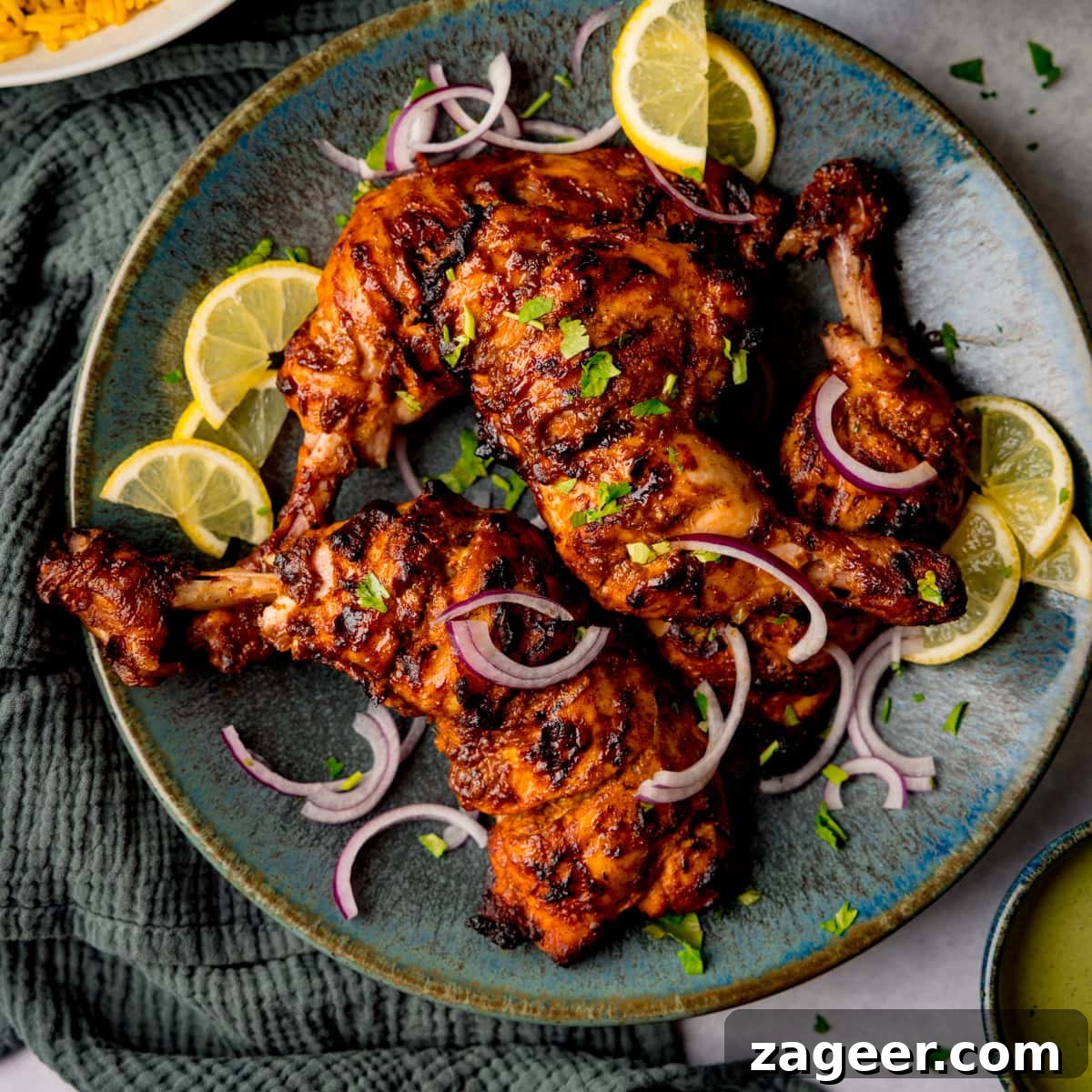
Embark on a culinary journey to India with this incredible tandoori chicken recipe. Forget expensive takeaways; now you can recreate all the bold, aromatic flavours and signature smoky char right in your own kitchen. This dish, renowned for its juicy, tender meat infused with a vibrant spiced yogurt marinade, feels truly special whether you’re planning a delightful midweek meal or hosting a memorable weekend barbecue. It’s a proper flavour explosion that’s surprisingly straightforward to achieve, even without a traditional tandoor oven. Prepare to impress your taste buds and loved ones with this classic Indian favourite!
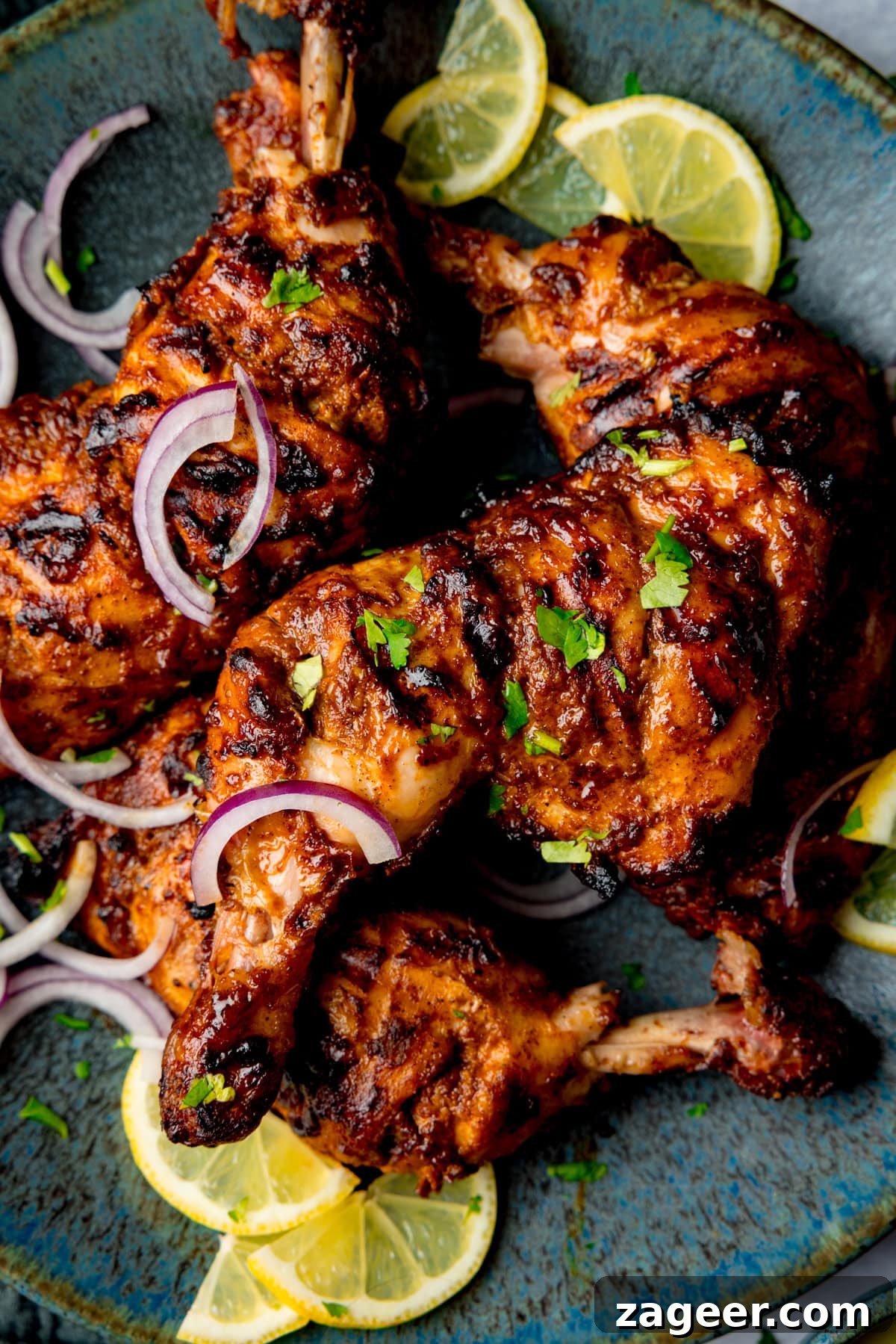

Unlocking Authentic Tandoori Flavors at Home: Nicky’s Recipe Notes
I’ve always had a particular fondness for tandoori chicken, especially when cooked on the barbecue. There’s something undeniably captivating about its vibrant colours and the intoxicating aroma that fills the air. What might seem like a complex dish is, in fact, surprisingly simple once you master the art of the marinade.
Let’s be real: most home kitchens don’t come equipped with a traditional clay tandoor oven (a dream, perhaps!). But that doesn’t mean you can’t achieve incredible, smoky, and deeply spiced tandoori chicken. This recipe is specifically designed to deliver that authentic taste using common kitchen appliances you already own: your oven, outdoor grill (BBQ), or even an air fryer. The secret lies entirely in the potent marinade – a rich blend of spiced yogurt, zesty lemon juice, pungent garlic, and fiery ginger. This magical mixture not only saturates the chicken with flavour but also tenderises it to perfection.
Why You’ll Adore This Tandoori Chicken Recipe:
- ✅ Maximum Flavour, Minimum Fuss: The intensely flavourful marinade does all the hard work, infusing the chicken with rich Indian spices while you unwind. It’s perfect for busy schedules, as most of the preparation is hands-off.
- ✅ Incredibly Versatile Cooking Options: Whether you prefer the char of a grill, the consistent heat of an oven, or the speed of an air fryer, this recipe adapts beautifully. Each method promises deliciously tender and succulent results every time.
- ✅ Guaranteed Crowd-Pleaser: From a cozy Friday night “fakeaway” to a vibrant summer barbecue, this tandoori chicken consistently earns rave reviews. It’s a dish that brings smiles and always gets devoured.
- ✅ Healthier Takeaway Alternative: Enjoy your favorite Indian dish knowing exactly what goes into it. This homemade version is often healthier and fresher than restaurant alternatives, letting you control the ingredients and quality.
- ✅ Master Indian Cooking Basics: This recipe is an excellent entry point into Indian cuisine, teaching fundamental marinating techniques and spice blending that you can apply to other dishes.
Table of Contents
- Unlocking Authentic Tandoori Flavors at Home: Nicky’s Recipe Notes
- 📋 Essential Ingredients for Tandoori Chicken
- The Best Cut of Chicken for Tandoori Chicken
- The KEY Steps for Making Perfect Tandoori Chicken
- Understanding Kashmiri Chilli Powder
- Pro Tip: Room Temperature Chicken for Optimal Juiciness
- Homemade Tandoori Chicken Recipe
- Versatile Cooking Methods for Tandoori Chicken
- 🍽️ Serving Suggestions for Tandoori Chicken
- 🍲 More Fantastic Indian Chicken Dishes to Explore
- ❓ Frequently Asked Questions About Tandoori Chicken
📋 Essential Ingredients for Tandoori Chicken
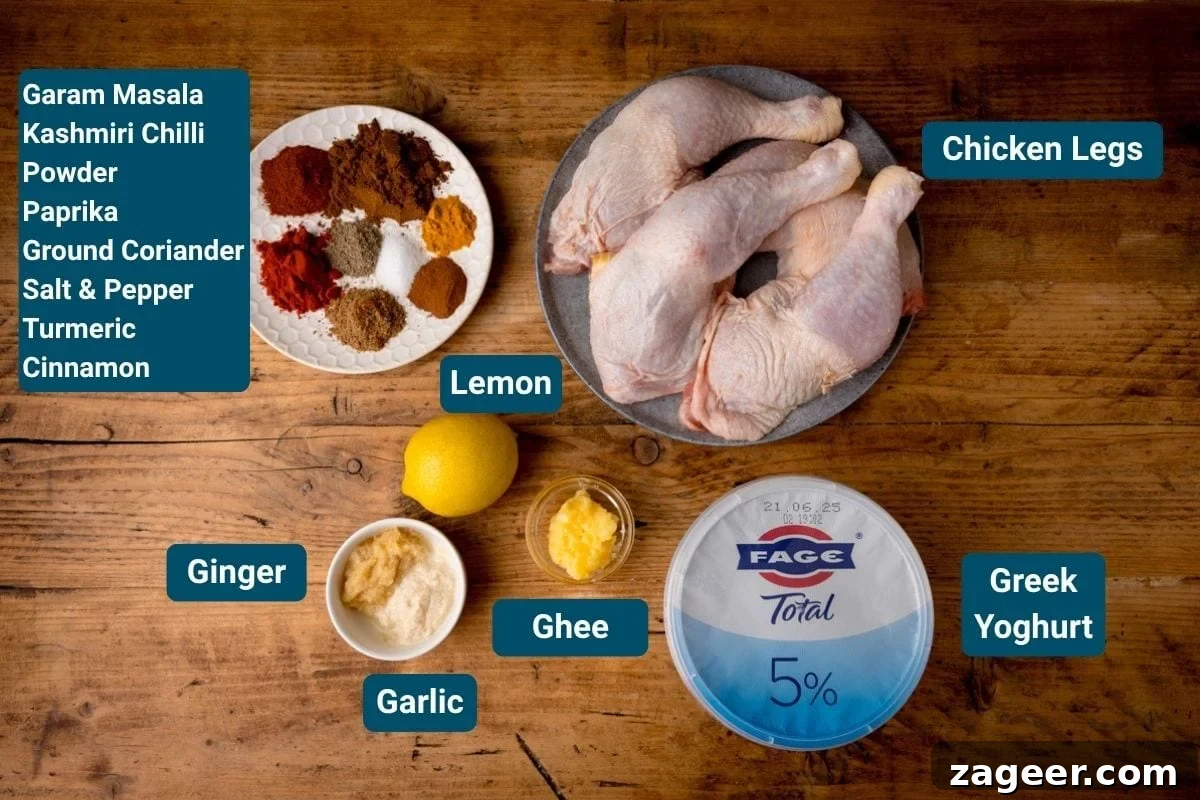
To craft this incredibly easy and flavourful tandoori chicken, you’ll need a selection of fresh ingredients and aromatic spices. Each component plays a vital role in building the complex flavour profile and achieving that signature tender texture.
The Best Cut of Chicken for Tandoori Chicken?
For an authentic and consistently juicy tandoori experience, bone-in, skinless chicken legs (comprising both drumsticks and thighs) are traditionally preferred and highly recommended. Dark meat retains moisture exceptionally well, ensuring the chicken remains tender and flavourful even when subjected to the high heat of grilling, broiling, or baking. The bone also helps to conduct heat more evenly, resulting in a perfectly cooked interior.
While chicken legs are ideal, you can also experiment with other cuts:
- Spatchcocked (Butterflied) Chicken: For a show-stopping presentation and quicker cooking, a whole spatchcocked chicken works wonderfully. The flattened bird cooks more uniformly and allows for maximum surface area to absorb that delicious marinade. You can find a great guide on how to spatchcock chicken here.
- Boneless Chicken Thighs: A fantastic option for those who prefer boneless meat. Thighs are still dark meat, so they stay moist and tender. They also cook faster, making them great for weeknight meals.
- Chicken Breasts: If using chicken breasts, opt for bone-in, skinless breasts if possible. If using boneless, skinless breasts, be mindful that they can dry out more easily. Cut them into larger chunks or pound them slightly to an even thickness to ensure even cooking and prevent dryness. Reduce cooking time accordingly.
The KEY Steps for Making Perfect Tandoori Chicken
Crafting flawless tandoori chicken at home involves a few essential techniques that ensure maximum flavour and optimal texture. Follow these steps for an irresistible dish that tastes like it came straight from a professional tandoor oven.
How to Prepare the Chicken for Marination
Proper chicken preparation is fundamental for absorbing the marinade and achieving even cooking. Here’s how to do it:
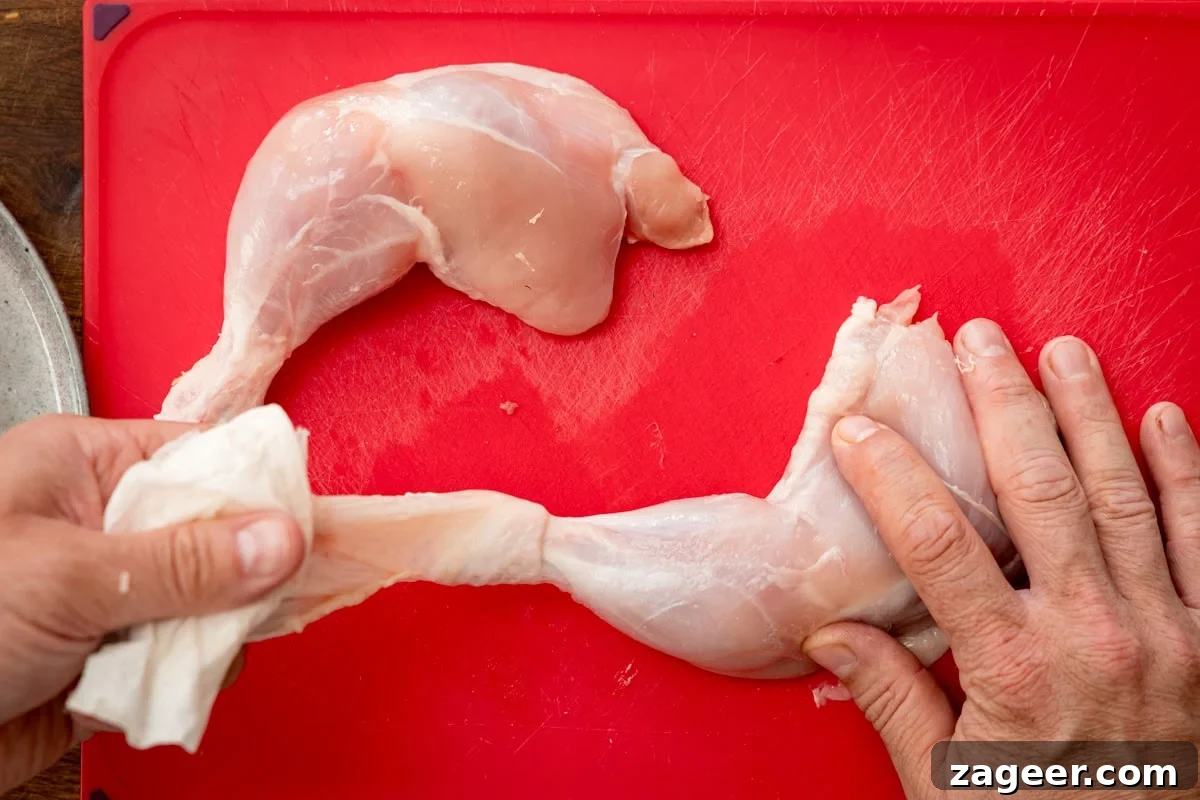
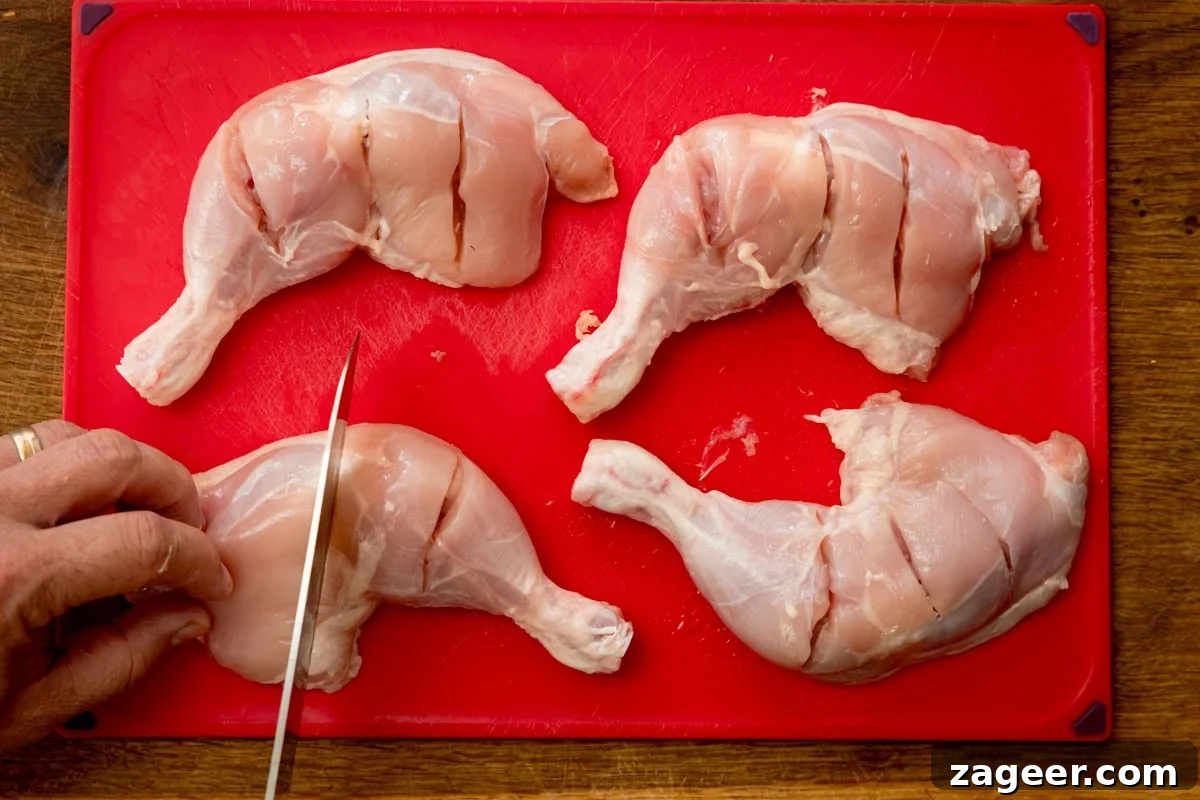
- Remove the Skin: While some tandoori recipes might leave the skin on for crispiness, traditional tandoori chicken is typically skinless. Removing the skin allows the marinade to directly penetrate the meat, infusing every fibre with flavour. Use a piece of kitchen roll (paper towel) to get a better grip on the slippery skin. Start by loosening the skin at the thickest end of the chicken leg, then firmly grasp it with the kitchen roll and pull it down towards the narrower end. It should slide off in one go.
- Score the Chicken: This is a crucial step! Using a sharp knife, make several deep, diagonal cuts (about 1/2 to 1 inch deep) into the thickest parts of the chicken legs. These scores serve a dual purpose: they allow the rich, spiced marinade to penetrate deep into the meat, ensuring every bite is bursting with flavour, and they help the chicken cook more evenly and quickly, preventing raw spots.
Crafting the Perfect Tandoori Marinade
The marinade is the heart and soul of tandoori chicken, responsible for its distinctive flavour, vibrant colour, and remarkable tenderness. It’s a harmonious blend of creamy, acidic, and powerfully aromatic ingredients:
- Greek Yoghurt: This is your primary tenderiser and flavour carrier. I specifically recommend Greek yoghurt because its natural acidity works wonders in breaking down tough muscle fibres, resulting in incredibly tender chicken. Its thick consistency also clings beautifully to the meat, creating a luscious, slightly charred coating during cooking, unlike thinner yoghurts which can make the marinade watery.
- Lemon Juice: Fresh lemon juice adds a bright, tangy counterpoint to the rich spices, enhancing their flavour and contributing to the tenderising process.
- Ghee (or Oil): Ghee, clarified butter, provides a rich, nutty depth of flavour that is quintessential in Indian cooking. If ghee isn’t available, a neutral oil like vegetable or sunflower oil works well to carry the fat-soluble spices and help in charring.
- Garlic & Ginger Paste: The aromatic backbone of many Indian dishes. Freshly minced garlic and ginger (or a ready-made paste) provide a pungent, warming foundation that elevates all the other spices.
- Aromatic Spices: This is where the magic truly happens! Our blend includes:
- Garam Masala: A fragrant blend of ground spices, typically including cinnamon, cardamom, cloves, cumin, coriander, and black pepper. It provides warmth and complexity.
- Kashmiri Chilli Powder: Essential for that gorgeous, vibrant red colour without excessive heat.
- Paprika: Adds another layer of mild chilli flavour and deepens the red hue.
- Ground Coriander: Earthy, citrusy, and slightly sweet, it’s a fundamental spice in Indian cuisine.
- Ground Turmeric: Offers a subtle earthiness and a beautiful golden undertone.
- Ground Cinnamon: A touch of sweet warmth that complements the savoury spices.
- Salt & Black Pepper: Basic seasonings to bring out all the flavours.
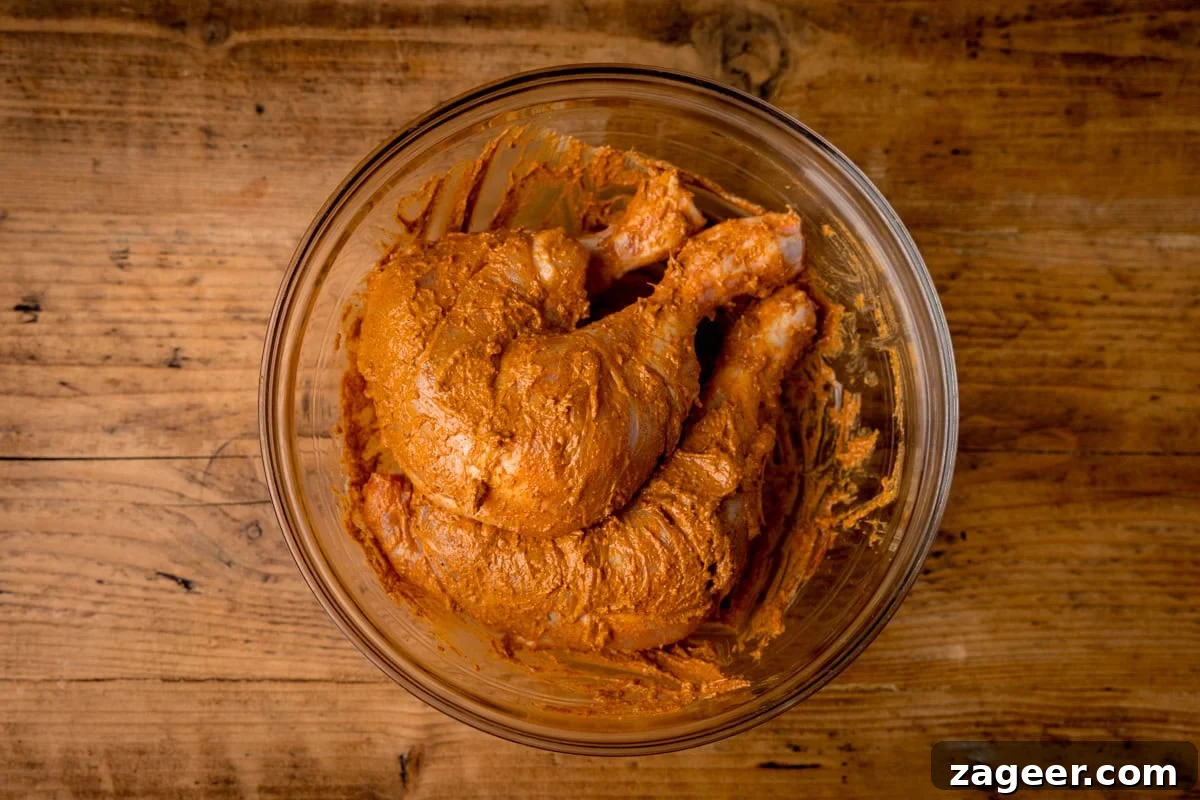
Once all the marinade ingredients are in the bowl, mix them thoroughly until a smooth, aromatic paste forms. Then, add your prepared chicken and generously massage the marinade all over the meat, ensuring it gets deep into all the scores you made. This hands-on step is crucial for flavour absorption.
Understanding Kashmiri Chilli Powder for Authentic Colour
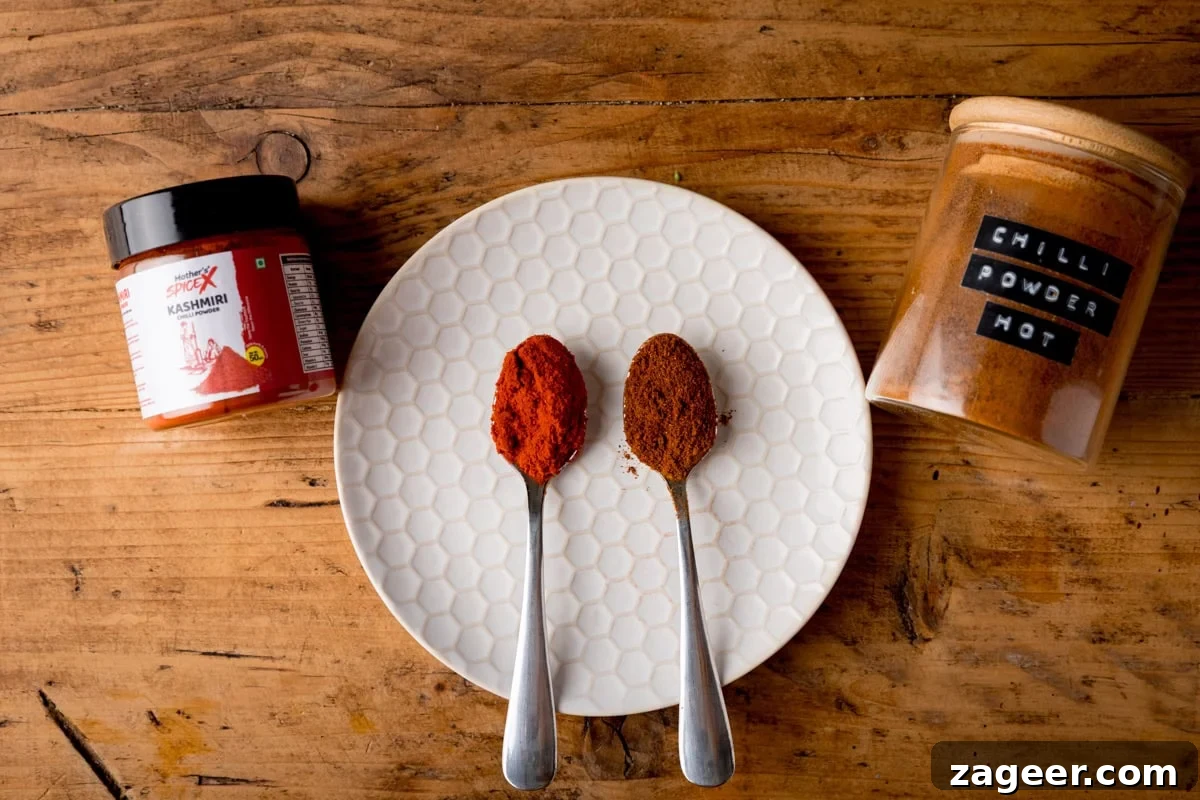
If you’ve ever wondered how restaurant-style tandoori chicken gets its incredibly vibrant, deep red colour, the secret often lies in Kashmiri chilli powder. This particular chilli powder is celebrated in Indian cuisine not for its heat (it’s relatively mild) but for its ability to impart a stunning, rich red hue and a gentle, fruity warmth. This makes it perfect for dishes where visual appeal is as important as flavour, like tandoori chicken.
In contrast, regular chilli powder, which is a blend of various chillies, often delivers a much more intense heat without the same depth of colour. Using regular chilli powder in the same quantity might make your tandoori chicken unpleasantly spicy and less visually appealing. The difference is striking, as you can see in the comparison image below. For that authentic, beautiful tandoori look and balanced flavour, Kashmiri chilli powder is indispensable.
💡
Pro Tip: Room Temperature Chicken for Optimal Juiciness
Always allow your marinated chicken to come to room temperature for about 30 minutes before cooking – this seemingly small step makes a significant difference in the final outcome.
Through extensive testing in my own home kitchen, I’ve consistently found that bringing the chicken closer to room temperature before it hits the heat ensures a much more even cook. If the chicken is too cold when it goes onto the grill, into the oven, or into the air fryer, the exterior can overcook and dry out before the internal temperature reaches a safe and tender level. This can lead to undesirable dry patches. By allowing it to warm up slightly, the meat cooks more uniformly from edge to centre, resulting in beautifully juicy, succulent tandoori chicken, reminiscent of what you’d get from a traditional tandoor oven.
📌
Pin this now to find it later
Pin It
Stay updated with new recipes!
Subscribe to the newsletter to hear when I post a new recipe. I’m also on YouTube(new videos every week) and Instagram(behind-the-scenes stories & beautiful food photos).

Rate this recipe!
Homemade Tandoori Chicken Recipe
Nicky Corbishley
10 mins
20 mins
6 hrs
6 hrs 30 mins
4 servings
Appetizer, Party Food, Starter
British-Indian
Ingredients
For the Marinade
- 100 g (1/2 cup) Greek yoghurt
- 1 tbsp ghee (or neutral oil)
- 1 tbsp minced ginger
- 1 tbsp garlic paste (or 3 minced cloves of garlic)
- 1 tbsp garam masala
- 1 tsp Kashmiri chilli powder
- 1 tsp paprika
- 1 tsp ground coriander (cilantro powder)
- ½ tsp ground turmeric
- ½ tsp salt
- ½ tsp ground black pepper
- ¼ tsp ground cinnamon
- juice of a lemon
The Chicken
- 4 chicken legs (bone-in, skinless – see notes for other cuts)
To Serve
- fresh coriander
- lemon slices
- sliced red onion
Instructions
Marinade the Chicken
-
In a large bowl, combine the Greek yoghurt, ghee (or oil), minced ginger, garlic paste, garam masala, Kashmiri chilli powder, paprika, ground coriander, ground turmeric, salt, ground black pepper, ground cinnamon, and lemon juice. Mix thoroughly until all ingredients are well combined into a smooth paste.
-
Prepare the chicken: Remove the skin from the chicken legs using kitchen roll for grip. Then, make several deep slices (1/2 to 1 inch deep) into the thickest parts of each chicken leg to allow the marinade to penetrate deeply.
-
Add the prepared chicken to the bowl with the marinade. Using your hands, massage the marinade thoroughly into the chicken, ensuring it covers all surfaces and gets deep into the cuts. Cover the bowl and refrigerate for a minimum of 6 hours, or ideally, up to 24 hours for the best flavour and tenderness.
Cooking on the BBQ (Recommended for Smoky Flavor)
-
Preheat your barbecue to a fairly high heat. Ensure the grill grates are clean.
-
Lightly brush the barbecue grill with a neutral oil to help prevent the chicken from sticking.
-
Place the marinated chicken legs directly over the hot coals (direct heat). Cook for approximately 25 minutes, turning them every 5-7 minutes to ensure even cooking and develop a beautiful char on all sides.
-
The chicken is cooked when its internal temperature reaches 80–85°C (175–185°F) when measured with a meat thermometer inserted into the thickest part of the meat (avoiding the bone).
-
Remove the chicken from the BBQ and let it rest for 5 minutes before serving. Garnish with a sprinkle of fresh coriander.
Cooking Under the Grill (Broiler in the US)
-
Preheat your overhead grill (broiler) to high heat, around 240°C / 460°F. Position an oven rack in the middle of the oven, not too close to the heat source to prevent burning.
-
Line a baking tray with foil for easy cleanup. Place a wire rack on top of the foil-lined tray (this is optional but highly recommended for better air circulation and charring). Arrange the marinated chicken on the wire rack in a single layer.
-
Cook under the grill for approximately 25 minutes, flipping the chicken over once halfway through the cooking time to ensure even browning and doneness.
-
Remove the chicken from the oven once its internal temperature reaches 80–85°C (175–185°F).
-
Allow the chicken to rest for 5 minutes before serving, then sprinkle with fresh coriander.
Cooking in the Air Fryer
-
Preheat your air fryer to 200°C/400°F. Lightly spray the air fryer basket with cooking oil to prevent sticking. Place the marinated chicken legs in a single layer in the basket. Depending on the size of your air fryer, you may need to cook in two batches to avoid overcrowding, which can steam the chicken instead of crisping it.
-
Air fry for a total of 20 minutes, flipping the chicken over halfway through the cooking time. The chicken should be cooked through, piping hot in the middle (no pink), and have an internal temperature of 80–85°C (175–185°F).
-
Let the chicken rest for 5 minutes before serving. Garnish with fresh coriander for a burst of freshness.
Notes
Nutrition
- Calories:
- 369 kcal
- Carbohydrates:
- 4 g
- Protein:
- 25 g
- Fat:
- 28 g
- Saturated Fat:
- 9 g
- Polyunsaturated Fat:
- 5 g
- Monounsaturated Fat:
- 11 g
- Trans Fat:
- 0.1 g
- Cholesterol:
- 145 mg
- Sodium:
- 425 mg
- Fiber:
- 1 g
- Sugar:
- 1 g
Nutrition information is automatically calculated, so should only be used as an approximation.
Love this recipe? Leave a comment and star rating below!
Your feedback helps others discover delicious meals.
Versatile Cooking Methods for Tandoori Chicken: Find Your Favorite!
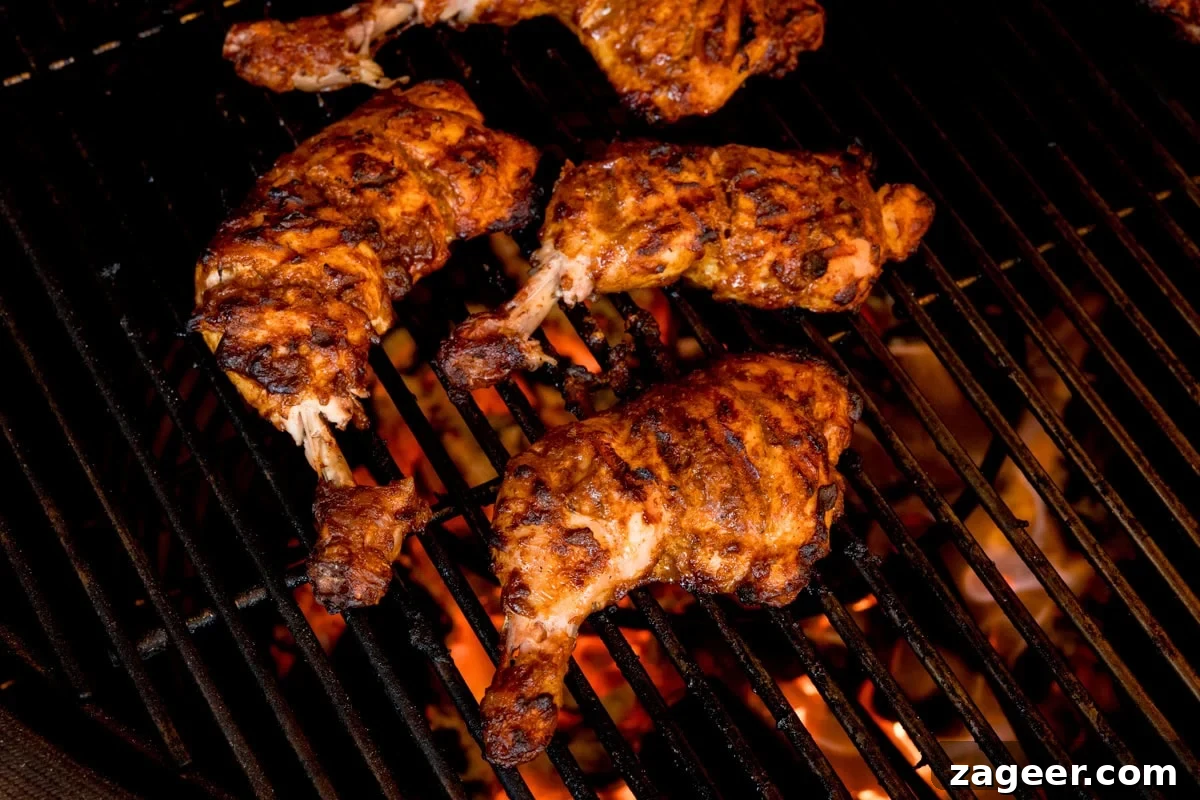
While the barbecue remains my absolute favourite method for cooking tandoori chicken, infusing it with an irresistible smoky depth that pairs perfectly with the rich marinade, this recipe offers fantastic flexibility. You can achieve delicious results year-round, regardless of the weather or your outdoor cooking setup. Each method brings its own unique qualities to the dish.
- BBQ (Grill): As mentioned, this is my top pick. The high, direct heat of a barbecue creates those beautiful charred edges and imparts an authentic smoky flavour that truly elevates the tandoori experience. If you have the opportunity to fire up your grill, I highly encourage you to give it a try – the flavour is simply unbeatable.
- Oven (Grill/Broiler): This method is excellent for achieving a similar char and juicy interior to a tandoor oven, thanks to the intense top-down heat. It’s perfect for colder months or when you don’t have access to a barbecue. The wire rack on a baking tray helps air circulate, ensuring crispiness and even cooking.
- Air Fryer: For a quick, efficient, and surprisingly crispy result, the air fryer is a game-changer. It circulates hot air rapidly, cooking the chicken faster and with less oil, while still developing a lovely exterior char. It’s ideal for smaller batches or when you need a speedy flavour fix.
No matter which cooking method you choose, the key to success lies in the powerful marinade and ensuring the chicken reaches the correct internal temperature for safety and tenderness.
🍽️ How to Serve Your Delicious Tandoori Chicken?
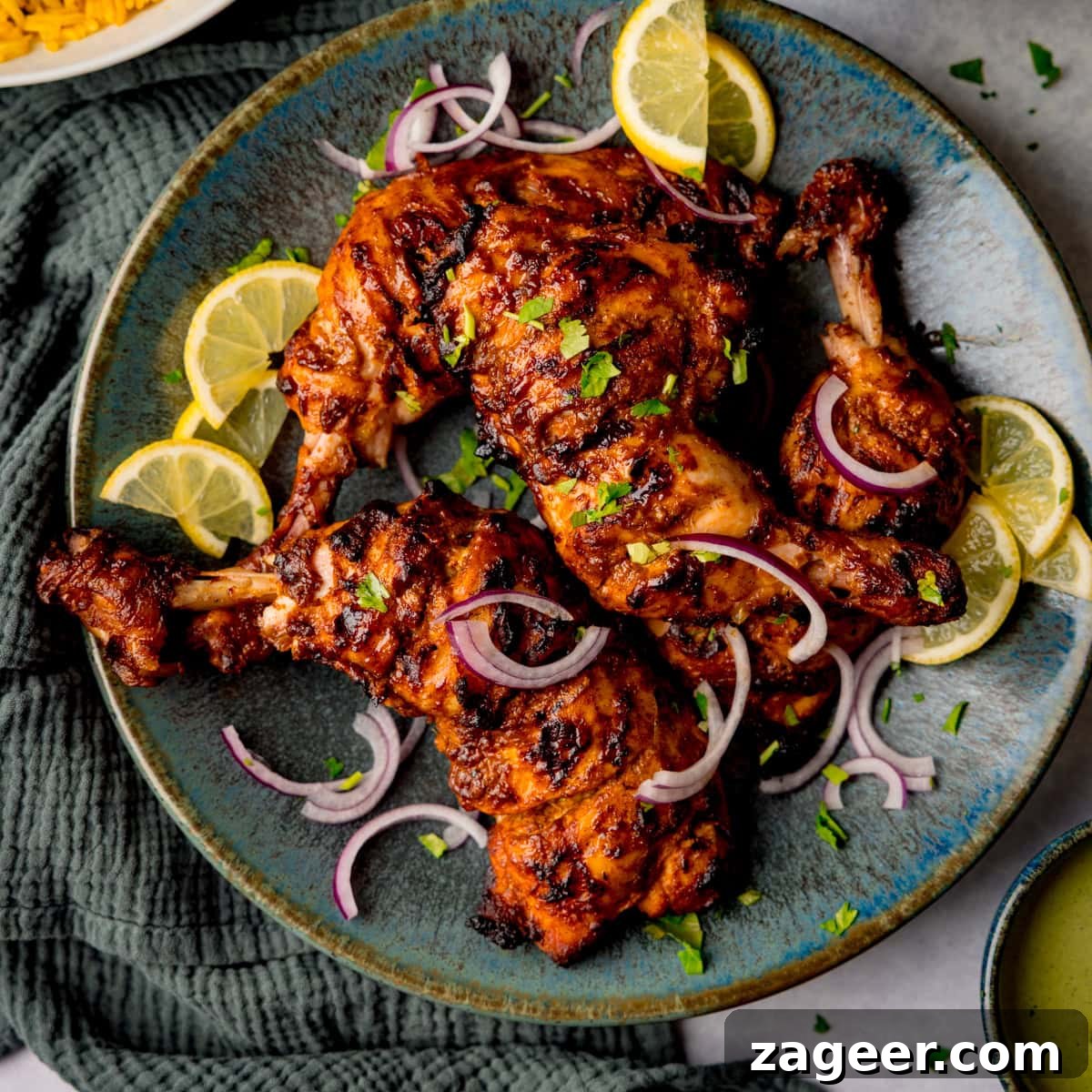
Once your succulent tandoori chicken legs are cooked to perfection, with those irresistible slightly charred edges, they are best served simply but elegantly. A squeeze of fresh lemon, a scattering of thinly sliced red onion, and a generous sprinkle of fresh coriander not only add bright flavours but also enhance the visual appeal of the dish. To complete the authentic Indian dining experience, consider serving it alongside:
- Cooling Sides: Complement the spiced chicken with refreshing dips. Indian Mint Chutney offers a vibrant, tangy burst, while a creamy, homemade Raita (cucumber and yogurt dip) provides a soothing contrast to the spices.
- Fluffy Rice: A fragrant Pilau Rice, cooked with aromatic spices, is the ideal companion to soak up all the delicious juices and flavours. Plain Basmati rice also works wonderfully if you prefer a simpler side.
- Warm Bread: No Indian meal is complete without freshly baked bread. Soft, thin Chapati or buttery, pillowy Garlic Naan are perfect for scooping up every last bit of chicken and sauce.
- Fresh Salad: A simple kachumber salad (diced cucumber, tomato, onion with a lemon dressing) adds a refreshing crunch and cuts through the richness of the chicken.

🍲 More Fantastic Indian Chicken Dishes to Explore
Street Food
Chicken Pakora Recipe
Street Food
Chicken Tikka Recipe
Dinner
Chicken Biryani
Curries
Chicken Madras
Curries
Chicken Tikka Masala Recipe
Curries
Chicken Pathia
❓ Frequently Asked Questions About Tandoori Chicken
The level of spice in tandoori chicken is entirely up to you when you make it at home! My recipe uses Kashmiri chilli powder, which is fantastic for giving the chicken that iconic deep red colour and a pleasant, gentle warmth without being overwhelmingly hot. This makes it palatable for most, including children or those with a lower spice tolerance. If you prefer a milder flavour, simply reduce the amount of Kashmiri chilli powder. For a hotter kick, you can add a pinch of regular chilli powder or finely minced green chillies to the marinade.
That distinctive, gorgeous deep red colour, characteristic of authentic tandoori chicken found in Indian restaurants, primarily comes from Kashmiri chilli powder. As discussed earlier, this unique spice imparts a rich, natural red hue along with a mild, fruity flavour rather than intense heat. Some commercial preparations or restaurants might also add a tiny amount of red food colouring to achieve an even brighter or more consistent colour. However, in my homemade recipe, I choose to skip artificial dyes entirely, relying solely on the natural pigments from the Kashmiri chilli powder and a touch of paprika to create a beautiful, appealing colour that feels more wholesome and homemade.
Absolutely, and I highly recommend it! Tandoori chicken actually benefits immensely from extended marination, making it an ideal dish for meal prep or entertaining. Marinating the chicken the night before (or for at least 6 hours) gives the yoghurt and spices ample time to work their magic. This deeply tenderizes the meat and infuses it with maximum flavour, resulting in a far more delicious outcome. I often prepare the marinade and chicken the evening before a barbecue or dinner party. Then, when it’s time to cook, simply pull it out of the fridge, let it come to room temperature for about 30 minutes, and pop it into your chosen cooking appliance. Store the marinated chicken in a sealed container in the refrigerator.
For the most succulent, flavourful, and traditionally authentic tandoori chicken, I always advocate for using bone-in, skinless chicken legs (drumsticks and thighs). The dark meat stays incredibly juicy and moist under high heat, and the bone helps to distribute heat evenly, contributing to a more tender result. While bone-in, skinless chicken breasts can also be used, be mindful that they can dry out faster. Boneless, skinless chicken thighs are a great alternative if you prefer boneless options, as they still retain a good amount of moisture. For larger gatherings or a striking presentation, a spatchcocked whole chicken also works wonderfully.
Yes, you can! Marinated tandoori chicken freezes beautifully. After marinating, place the chicken and marinade in a freezer-safe bag or airtight container. Squeeze out any excess air if using a bag. It can be stored in the freezer for up to 2-3 months. When you’re ready to cook, transfer the chicken to the refrigerator to thaw overnight. Allow it to come to room temperature for about 30 minutes before cooking as per the recipe instructions.
Some of the links in this post may be affiliate links – which means if you buy the product I get a small commission (at no extra cost to you). If you do buy, then thank you! That’s what helps us to keep Kitchen Sanctuary running. The nutritional information provided is approximate and can vary depending on several factors. For more information please see our Terms & Conditions.